Niacinamide Before & After: Benefits, Results Timeline, and What To Expect
Trust us—this multitasker definitely deserves a spot in your routine.




Niacinamide has become one of the most popular ingredients in skincare over the past few years, and for good reason. This vitamin B3 derivative is renowned for its ability to help address a range of skin concerns, from dullness to dark spots. And if you’ve seen niacinamide before-and-after photos, you’ll likely agree that the ingredient’s cult-favorite status is well-earned.
To understand more about this skincare essential, we spoke with Dr. Michelle Henry, MD, FAAD, a board-certified dermatologist and L’Oréal Paris consultant. Ahead, she’s sharing some of the most notable niacinamide benefits for your skin and outlining why so many people—regardless of their skin type or concerns—can reap the rewards of this multitasking product. Keep reading for the details, plus a look at some of our favorite niacinamide skin products to add to your routine.


.png)

According to Dr. Henry, niacinamide (also known as nicotinamide) is a form of vitamin B3 used widely in skincare products. When applied topically, the powerful ingredient can help brighten the skin, balance excess oil, and support the skin’s moisture barrier. The Cleveland Clinic notes that niacinamide is generally considered suitable for all skin types and can be found in a wide range of products, from cleansers to niacinamide serums and moisturizers.
Niacinamide is widely recognized for its ability to support overall skin health, making it one of the few ingredients that nearly anybody can benefit from using. As Dr. Henry notes, “It’s soothing, it reduces pigmentation…and if you have [acne-prone] skin, it may help with that, too.”
With regular use of a niacinamide serum or moisturizer, you can typically expect to see calmer, more balanced skin. However, choosing the right niacinamide skin product for your needs is key, since different products may target different concerns.
Niacinamide can be a useful addition to nearly any well-rounded routine. Keep reading to discover some of the most notable niacinamide benefits for a healthy-looking complexion.
One of niacinamide’s most notable benefits is its ability to help refine the skin and minimize the appearance of skin discolorations, such as sun spots, post-acne marks, and melasma. A 2021 study published in Antioxidants found that, when applied topically, niacinamide helps slow the transfer of melanin (your skin’s pigment) from pigment-producing cells to skin cells, which in turn helps decrease visible discolorations. It’s important to note, however, that results take time—you’ll likely need to use a brightening niacinamide serum for several weeks before you begin to notice visible improvements. Additionally, if you’re dealing with discoloration, regular SPF use is a must, as sun exposure can both cause discoloration and worsen existing hyperpigmentation.
If you have sensitive or easily stressed skin, niacinamide is well worth adding to your routine. According to the Cleveland Clinic, it helps strengthen the skin barrier, which in turn bolsters your skin’s defenses against stressors such as air pollution or strong skincare ingredients like retinol. With regular use in a gentle, targeted skincare routine, niacinamide can help reduce redness, minimize discomfort, and support a healthier-looking complexion overall.
Research shows that products with niacinamide may help reduce oil production, leading to an overall more balanced-looking appearance. Additionally, “it may be a bit mattifying,” says Dr. Henry—a definite perk for anyone who frequently struggles with mid-day shine.
Nothing can actually shrink large pores—their size is primarily determined by genetics. However, by minimizing oil production, niacinamide can help prevent congestion, which can in turn make your facial pores less noticeable. If you have an uneven skin texture or orange peel skin, using niacinamide for enlarged pores can help promote a smoother, more even-looking complexion.
Niacinamide isn’t just for those with oily skin—the multitasking ingredient can also benefit dry skin, too. By strengthening the skin barrier, products with niacinamide can help prevent the excessive moisture loss that can lead to dry, dehydrated skin. Trapping in hydration can also help make the skin appear smoother, firmer, and plumper—though you’ll notice the most obvious plumping benefits if you pair your niacinamide with a humectant ingredient, such as hyaluronic acid.
Getting glowing skin is the ultimate goal, and niacinamide can help you achieve it. By strengthening the skin’s natural moisture barrier, boosting hydration, and minimizing the appearance of dark spots, your go-to niacinamide serum or moisturizer can help you achieve a more even, radiant-looking complexion over time. Add in visibly smaller pores and less redness, and this hero ingredient can help you on your quest to achieve glass skin.
Generally speaking, niacinamide is suitable for most skin types, making it a versatile addition to many routines. Here’s how it can benefit different skin types and needs:
Keep in mind that when introducing any new product into your routine, it’s best to start slowly to allow your skin time to acclimate. Starting with a lower concentration of niacinamide may also be smart, particularly if you have sensitive or reactive skin.
If you’re unsure how to incorporate niacinamide into your existing routine effectively, consult a board-certified dermatologist. They can help you find the right formulation for your needs and provide guidance on how to use it to address your skin concerns.
Determining when to use niacinamide ultimately depends on the specific product you’re using. While the ingredient itself is generally suitable for daily use—morning or night—that doesn’t necessarily apply to every serum or moisturizer it’s formulated in. Because of this, your first step should always be to read the product’s instructions carefully and follow them as directed.
From there, you can consider how the product fits into your routine. Niacinamide serums are typically applied to clean, slightly damp skin after cleansing and before heavier lotions or creams. If you’re using a niacinamide cream or moisturizer, it should come later in your routine—usually as the second-to-last step in the morning (right before sunscreen) and as the final step at night.
No matter the format, following the product’s specific directions will help ensure you’re using it correctly and getting the most out of your routine.
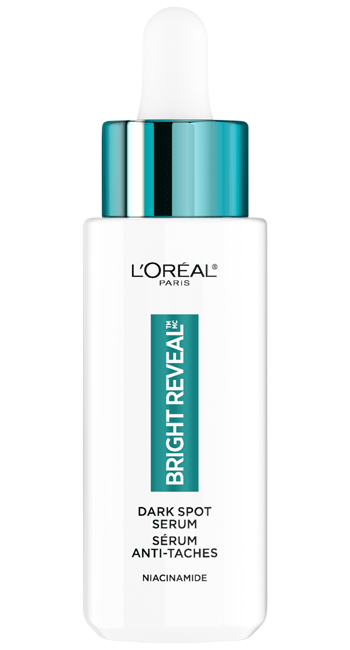
When you combine niacinamide with Melasyl, you get a revolutionary defense against stubborn dark spots and hyperpigmentation. Melasyl is a patented L’Oréal ingredient that intercepts excess melanin before it marks the skin, while niacinamide works to soothe and even out the overall skin tone. Together, these two breakthrough ingredients deliver enhanced brightening results that can dramatically improve your skin's clarity and radiance.
Niacinamide is gentle, and it generally pairs well with other popular skincare ingredients. When used alongside hyaluronic acid, it can help boost hydration and support plumper-looking skin; with retinol, it can help minimize irritation and keep the skin feeling balanced. And despite older research that suggested niacinamide isn’t compatible for use with vitamin C, we now know that’s not the case—though if your skin is sensitive, it may be helpful to use the two ingredients at different times of the day.
Overall, when layering skincare ingredients, the key is to go slowly and pay attention to how your skin responds. If you experience sensitivity when layering multiple active ingredients, consider simplifying your routine or consulting a dermatologist for guidance.
While niacinamide can help your skin in numerous ways, the results won’t be immediately apparent. The timeline depends largely on the formula you’re using, as well as your skin type and specific concerns.
However, as a general guideline, you can usually expect your skin to feel more hydrated and balanced within the first couple of weeks of using a niacinamide serum or moisturizer. Improvements in skin texture and tone can start to become visible around the four-to-six week mark, while more noticeable changes in uneven tone—including dark spots or hyperpigmentation—can take 12 weeks or more. As always, consistency is key for getting the most out of your routine.
Now that you’re caught up on what niacinamide is and what it does, keep scrolling for a look at some of our favorite products with the ingredient (plus niacinamide before-and-after pictures for each pick).
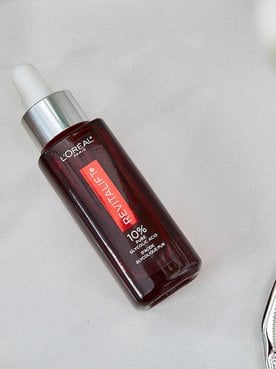
If you’re looking to upgrade your current anti-aging skincare routine, this hydrating serum is an excellent place to start. The dermatologist-validated formula contains niacinamide, vitamin C, and a patented L’Oréal ingredient called MelasylTM, which is designed specifically to help reduce dark spots and hyperpigmentation. It also delivers up to 100 hours of hydration without a sticky or greasy feel, making it especially well-suited for those with dehydrated skin. We suggest applying a thin, even layer to clean, damp skin twice daily before moisturizing. Within one week, you’ll notice a reduction in dark spots and fine lines. Continuous use, meanwhile, helps promote a visibly brighter, smoother, more luminous-looking complexion.

A chemical peel is designed to resurface the skin so that it feels smoother and appears brighter—but in-office treatments can be pricey and may require downtime to recover. That’s why we’re fans of at-home peels. This professional-inspired peel contains a unique blend of niacinamide and a trio of exfoliating acids (AHA, BHA, and PHA) and helps target a variety of skin concerns, from discoloration to fine lines. Best of all, you can use the gentle formula up to four times per week for noticeable skin improvement sans the hefty price tag of a pro-grade treatment.
Editor’s Tip: It’s worth noting that chemical peels can make your skin more sensitive to the sun, so be sure to apply a broad-spectrum sunscreen before heading outside during the daytime (even if it’s overcast).

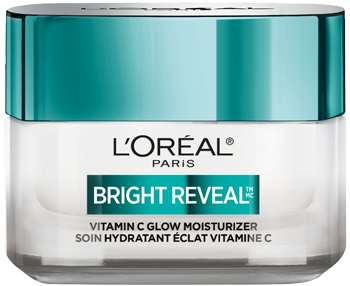
Round out your morning routine with this lightweight moisturizer, which blends pure vitamin C with niacinamide and ceramides for a multi-pronged approach to target dull skin. The lightweight formula instantly hydrates without a greasy or sticky feel, while consistent use helps brighten and refine dull, uneven-looking skin.

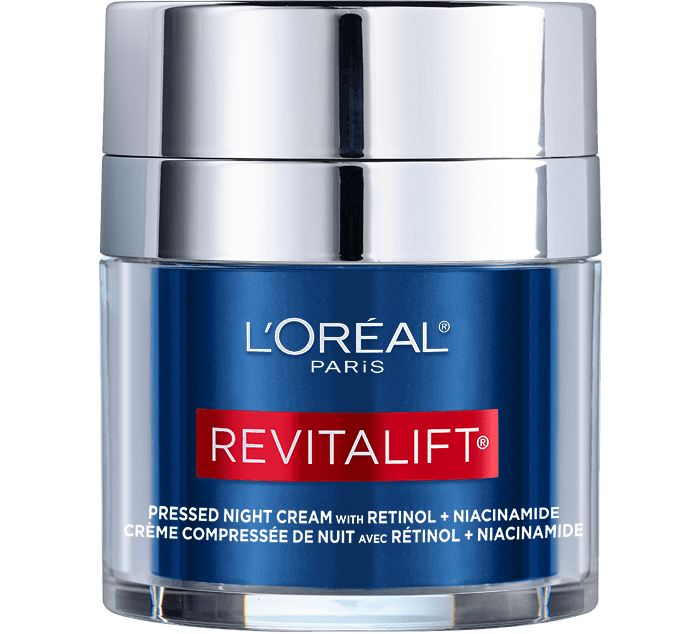
If you have sensitive skin or fancy yourself a minimalist who doesn’t want extra steps in your skincare routine, try using a balanced formulation like this nighttime moisturizer. The unique formula blends two powerful ingredients—retinol and niacinamide—into one gentle formula that’s suitable for all skin types. When used consistently over time, the night cream helps visibly reduce fine lines and wrinkles while resurfacing skin for improved texture and a more even-looking skin tone. You can use it nightly, but if you’re new to retinol or have sensitive skin, you may want to start slower to give your skin time to adjust.

Next Up: The Best Anti-Aging Cream for Your Skin Type: How To Choose the Right Formula
Photo courtesy of L’Oréal Paris

This site is intended for US consumers. Cookies and related technology are used for advertising. To learn more, or opt-out, visit AdChoices and our privacy policy.
Your Privacy Choices
 Notice at Collection