

In this article
Content Summary
Peptides for skin are short chains of amino acids that function as cellular messengers, signaling your body to support essential processes for firmness, hydration, and smoother-looking skin. By integrating these targeted formulations into your morning and night regimens, you can effectively minimize the look of wrinkles, address early signs of aging, and reinforce a compromised skin barrier. In this article, you will discover exactly what these structural components are, how they work across different skin types, and how to seamlessly layer them into your daily skincare routine.
If you want to unlock a bouncy, youthful glow, adding peptides for skin to your daily beauty routine is an absolute game-changer. These work by signaling your cells to support the natural proteins that maintain a smooth, firm facial texture.
Whether you’ve heard of them or not, integrating these smart topicals into your daily routine can be an excellent step to support your skin's natural resilience over time. Keep reading to find out what are peptides in skincare, what peptides do, and all about the numerous benefits they can have on skin.


Have questions about this article? Ask me! I'm Beauty Genius, your AI Beauty Assistant.
Shop the Products
What Are Peptides in Skincare?
Let’s start with a little science lesson. According to the Molecular Diversity Preservation International (MDPI), peptides are short chains of amino acids that occur naturally in your body. Peptides play a large role in your skin’s appearance, as well as other areas of your body. That’s why choosing an advanced skincare routine with peptides for skin can support your natural complexion as you age.
The peptides used in skin care products are synthetic. According to the MDPI study, many short, stable, and synthetic peptides have been developed and continue to be studied to understand their roles in skin renewal, pigmentation, and inflammation. Adding these targeted formulations to your anti-aging skincare ritual can help lock in a more radiant appearance.
How Do Peptides for Skin Work?
When considering how peptides for skin function, it helps to look at how cells communicate within the skin layer. Peptides serve as structural messengers that tell your cells to perform essential maintenance functions. They play a primary role in supporting collagen production, which helps preserve the youthful, bouncing quality of your complexion. Additionally, they support skin barrier function to prevent moisture loss and shield against environmental aggressors.
Peptides act as messengers that signal skin to support processes associated with firmness, hydration, and smoother-looking skin.
Understanding what peptides do for your skin reveals how crucial they are for minimizing visible structural decline. When your natural collagen breaks down, these topical chains send signals to create fresh proteins. Incorporating these messaging molecules into your skincare routine can help maintain overall skin integrity.
Types of Peptides Used in Skincare
The world of peptides for skin features several main categories designed to target specific skin needs. Choosing the right peptides skincare option depends on what you want to achieve.
Signal peptides
These short structural links are highly celebrated for their collagen-supporting role. They tell the skin cells to synthesize new structural elements to keep your surface looking firm and bouncy.
Carrier peptides
These delivery molecules transport trace elements such as copper directly into the skin's structures. Copper peptides are frequently used to assist with the skin-healing process and to support elasticity.
Neurotransmitter-inhibiting peptides
These specific chains are formulated to address the expression line appearance by relaxing surface tension. They work to soften fine lines caused by repeated muscle movements around your eyes and forehead.
Enzyme-inhibiting peptides
These compounds work diligently to support skin structure by slowing down the natural degradation of collagen. They block the specific enzymes that break down dermal proteins over time.
What Are the Benefits of Peptides for Skin?
If you’re still not quite sure why people are using peptide formulas, here are some of the greatest benefits of peptides.
Elasticity
Certain peptides could help your skin’s elasticity. Copper peptide is commonly used in skin care products for this reason. According to the Cleveland Clinic, copper peptide is often considered the most effective for improving skin appearance. Studies have shown that it can promote collagen and elastin production, helping to firm the look of skin in less time than most other anti-aging skin care products.
Additionally, according to a study in the National Center for Biotechnology Information (NCBI) library, participants’ skin appearance improved after 12 weeks of taking supplements containing collagen peptides.
Minimize the look of wrinkles
Another anti-aging benefit, peptides have been found to help reduce the appearance of wrinkles. The MDPI study found that those using a formulation containing palmitoyl tetrapeptide-7 (a synthetic peptide) over a 12-month period experienced a reduction in the appearance of facial wrinkles. Other peptides have also been studied for their similar effects. According to the same study, trifluoroacetyl-tripeptide-2 can help smooth the appearance of wrinkles, as does copper tripeptide.
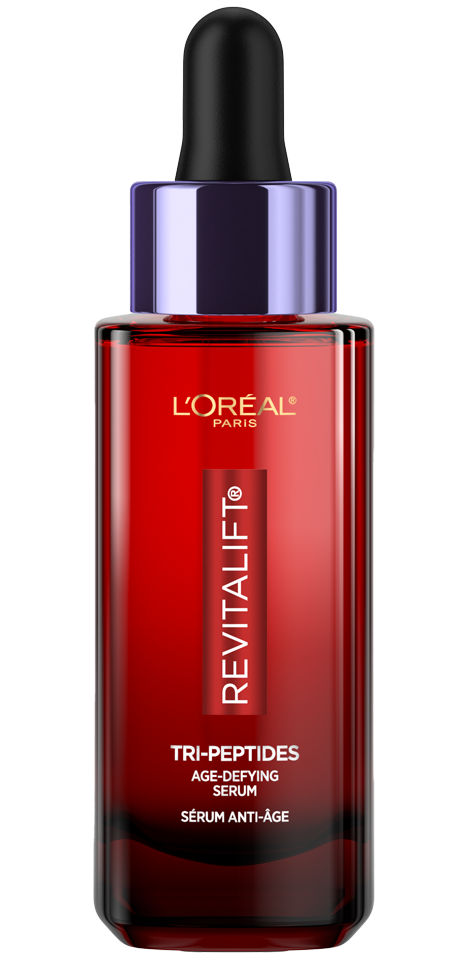
To target these specific concerns, you can integrate the all-in-one L'Oréal Paris RevitaLift Triple Power Tri-Peptides Age-Defying Serum into your daily routine. This anti-aging serum combines advanced tri-peptide technology to visibly hack signs of skin aging. It works to intensively smooth skin texture, minimize the appearance of wrinkles, and support a firmer, more lifted facial appearance. To apply, smooth a few drops over your clean face and neck every morning and evening before your moisturizer.

Scarring
Skin scarring, including stretch marks, is another skin care concern that peptides could help improve the appearance of. The Mayo Clinic notes that peptides are used as ingredients in products to help address the appearance of stretch marks and other scars on the skin’s surface. However, further research is needed to fully understand how peptides work on different skin concerns.
Firmness
Peptides can also help to firm the look of skin. The Cleveland Clinic states that studies have shown that copper peptide promotes the production of glycosaminoglycans, such as hyaluronic acid. They help reduce the appearance of photodamaged skin, fine lines, and wrinkles by creating smoother, firmer skin, according to the aforementioned MDPI study.
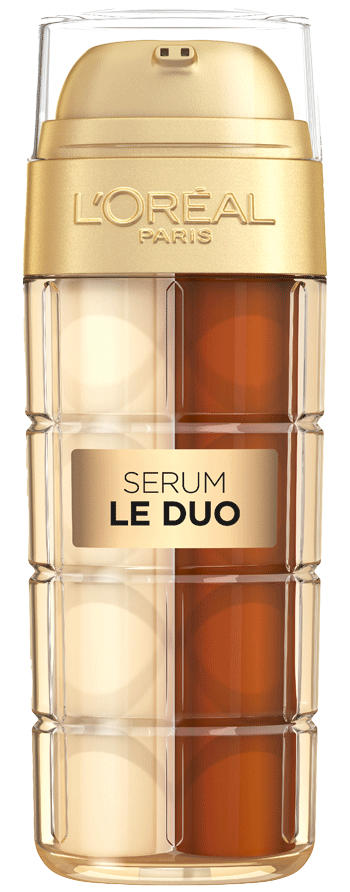
For a luxurious, rich skin treatment with peptides to help with firmness and other common signs of aging, try the L’Oréal Paris Age Perfect Serum Le Duo. This serum includes collagen peptide along with vitamins B3 and C for smoother, firmer, and more even skin.
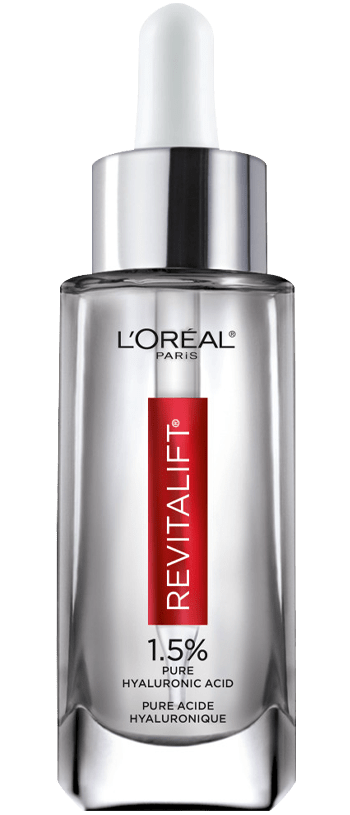
Editor’s Tip: At night, before applying your peptide-rich treatment, be sure to cleanse your skin and layer on a hydrating serum like the L’Oréal Paris Revitalift Derm Intensives 1.5% Pure Hyaluronic Acid Serum to maximize the hydrating and anti-aging benefits while you sleep. This intensive serum is formulated with 1.5% pure hyaluronic acid to deeply replenish hydration. It plumps the skin from within, locks in moisture, and maximizes anti-aging benefits when layered into your daily regimen.

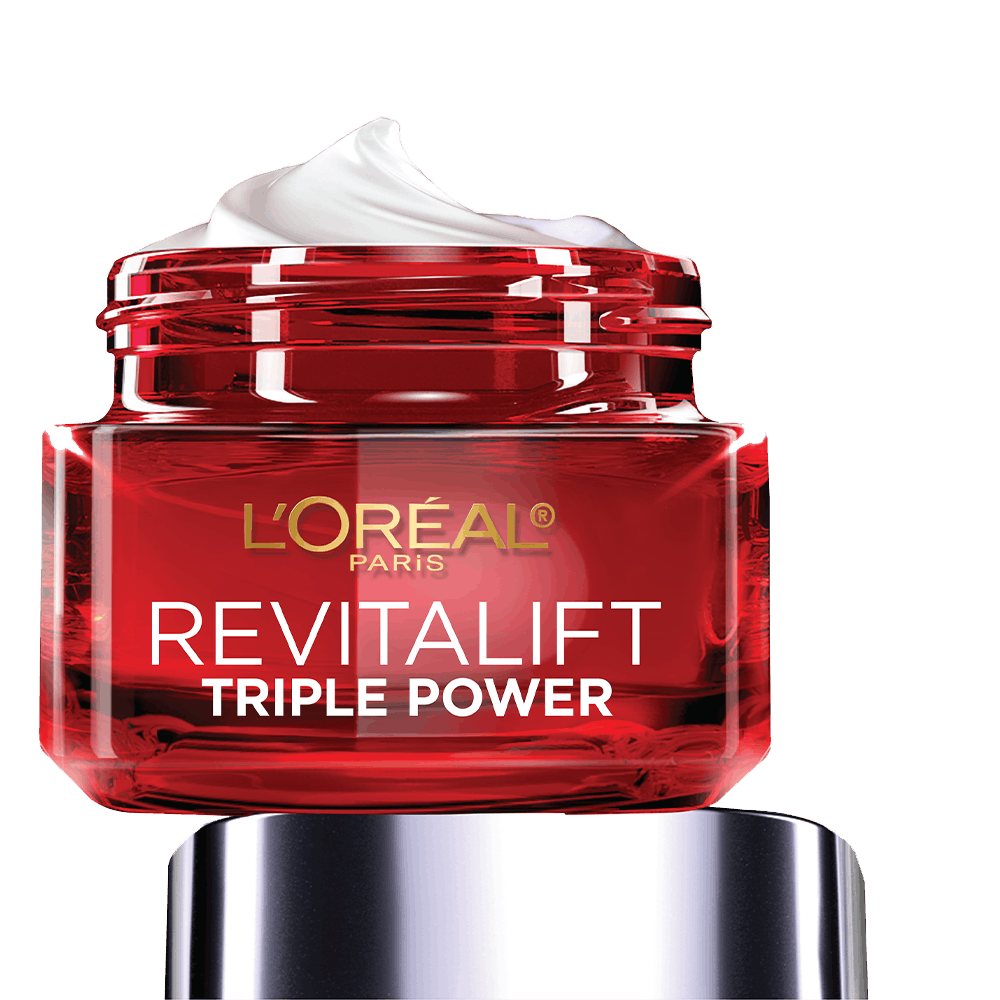
Also, incorporate the L'Oréal Paris RevitaLift Triple Power Anti-Aging Moisturizer, which is a great addition to any peptide treatment. This moisturizer helps firm and replump the skin, reduce wrinkles, and deeply hydrate your complexion.

Shop the Products
Who Should Use Peptides for Skin?
Determining how you can benefit from peptides for skin depends on your age and hydration concerns. Peptides skincare can fit nicely into almost any beauty regimen, but here’s a breakdown of who can benefit the most.
If you have early signs of aging
If you are beginning to notice fine lines around your eyes or forehead, starting early with these amino acid building blocks can help maintain a youthful bounce.
If you have a loss of firmness
When your face begins to feel less resilient, adding structural messengers can help support a more lifted, taut appearance.
If you have dry or compromised skin
Because they help build your protective surface barrier, they are an excellent option for anyone dealing with seasonal dryness or sensitivity.
If you’re searching for a gentle alternative to stronger actives
If traditional anti-aging ingredients cause redness or peeling, these formulas provide a calming yet highly effective option.
If you’re seeking multi-benefit support for mature skin
For skin that requires intensive care for wrinkles, thinning texture, and dryness all at once, these complexes deliver complete nourishment, providing a more radiant, healthy-looking complexion.
How To Add Peptides to Your Skincare Routine
Integrating peptides for skin into your daily ritual is incredibly simple because they pair perfectly well with other popular ingredients. Adhering to a dedicated morning and evening routine will maximize your visible results.
Morning routine
- Cleanser: Wash away overnight oil with a balancing face wash. Try the L'Oréal Paris RevitaLift Radiant Smoothing Cream Cleanser for a gentle exfoliating option.
- Peptide serum: Pat your active serum into damp skin to deliver concentrated messenger proteins deep into the surface. The L'Oréal Paris RevitaLift Triple Power Tri-Peptides Age‑Defying Serum is an all-in-one option to help improve elasticity, hydrate, and boost skin radiance, just like hacking aging skin.
- Moisturizer: Seal in that essential hydration with a firming cream. Grab the L'Oréal Paris RevitaLift Triple Power Anti-Aging Moisturizer for replumped skin and reduced wrinkles.
- SPF: Protect your skin barrier from UV damage by ending your morning routine with a broad-spectrum sunscreen. The L'Oréal Paris RevitaLift Triple Power Moisturizer with SPF 30 works as a hybrid, moisturizing while keeping your skin protected from UV rays.
Shop the Products


Evening routine
- Cleanser: Remove makeup and daily pollutants with a gentle purifying wash. If you’re looking to improve your complexion, incorporate the L'Oréal Paris RevitaLift 3.5% Glycolic Acid Cleanser to help refine the appearance of enlarged pores.
- Peptide serum: Apply your structural serum to allow your cells to absorb the amino chains during your resting phase. Try the L’Oréal Paris Age Perfect Serum Le Duo for a luxurious, rich skin treatment with collagen peptide for firmness, wrinkle reduction, hydration, and more benefits.
- Moisturizer: Complete your evening routine with a deeply nourishing overnight cream to wake up with plump, refreshed skin. Choose a richer cream such as the L'Oréal Paris Revitalift Triple Power Rich Night Moisturizer for deeper hydration and resurfacing effects.
Shop the Products

.png)
Beyond Skincare: Peptides for Hair
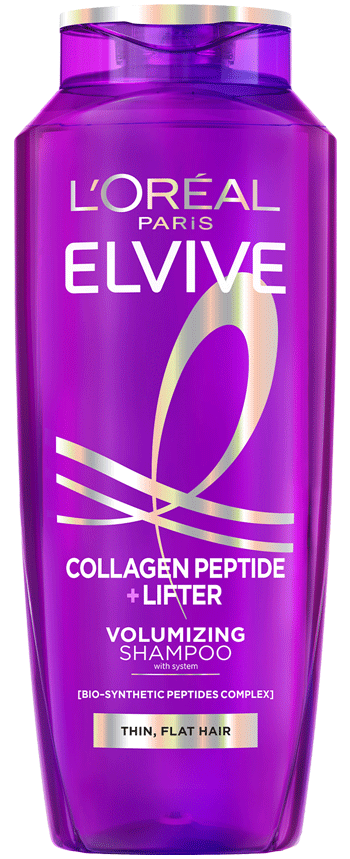
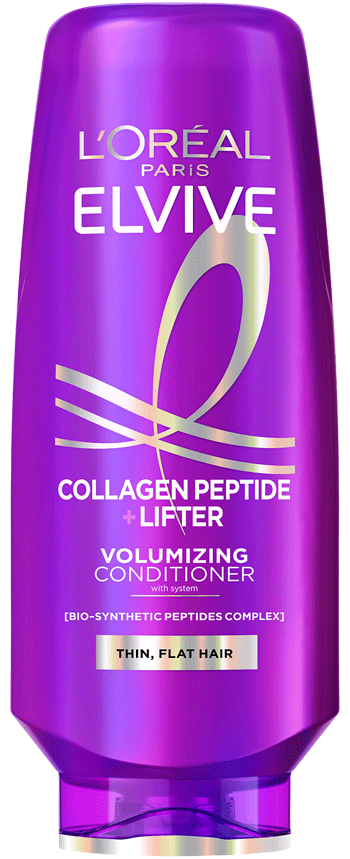
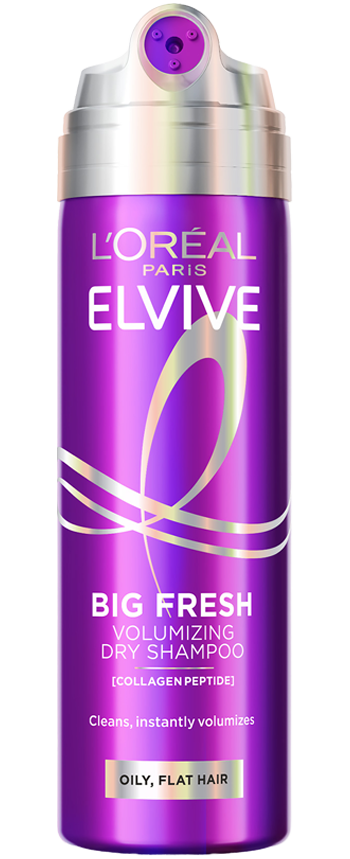
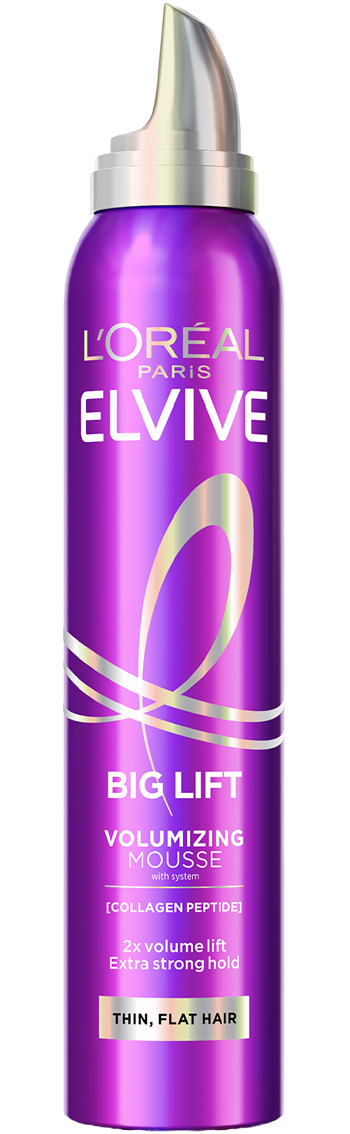
Peptides are also making an appearance in haircare routines to help make the hair look fuller, thicker, and more voluminous. A great example is the L’Oréal Paris Elvive Collagen Peptide + Lifter hair system, which infuses deep structural support directly into your hair fibers. This specialized system lifts strands from the root, providing a dense, amplified look without weighing your tresses down.
For comprehensive care, check out How To Use Peptides for Hair Growth and explore how these amino acid structures transform fine hair textures.
Shop the Products
Can Peptides Cause Any Side Effects?
When it comes to peptides for skin, the side effects are close to zero. According to a study in the NCBI library, a wrinkle treatment formulated with peptides was found to be well-tolerated, with no treatment-related adverse effects reported. So, topicals formulated with peptides are in the clear.
Next Up: How To Use Peptides for Hair Growth | L'Oréal Paris
Photo courtesy of L’Oréal Paris
Discover more tips & tricks
-
Infallible Foundation: How To Find Your Perfect Shade and Texture
-
The Glycolic Acid Serum Your Skin Care Routine Needs
-
Should You Wash Your Hair Before Dyeing It?
-
How To Go From Black to Brown Hair at Home
-
Purple Shampoo and Brown Hair: The Secret to Cooler, Richer Tones