How To Moisturize Dry Hair For Shiny, Healthy-Looking Strands
Restore your hair's natural hydration with this moisturizing guide




Overview
Dry hair occurs when the hair lacks sufficient moisture and natural oils, leaving it feeling rough, dull, and prone to breakage. This can be caused by factors like heat styling, chemical treatments, over-washing, environmental stressors, or simply a naturally drier hair type. Restoring hydration starts with a moisture-focused routine, including gentle cleansing, conditioning treatments, and nourishing products that help replenish and lock in moisture. With the right care, dry hair can look smoother, softer, and noticeably healthier over time.
When your skin feels dry, you can apply moisturizer for instant relief. Replenishing dry, damaged hair, however, isn’t quite as straightforward. Moisturizing hair products do, of course, exist, but slathering on conditioner is only part of the equation. If you’re looking to learn how to moisturize dry hair, you need to understand why it’s dry to begin with.
That’s where we come in. Ahead, we’ll explain exactly what dry hair is, what causes it, and how to tell if your hair lacks sufficient moisture. Then, we’ll explain how to hydrate dry hair with some of our favorite nourishing shampoos, conditioners, and dry hair remedies. Keep scrolling for all of the details.
Dry hair develops when the hair’s protective outer layer, known as the cuticle, becomes damaged or lifted. When the cuticle doesn’t lie flat, it can’t effectively seal in moisture or the scalp’s natural oils, making it easier for hydration to escape. This leaves hair feeling rough, looking dull, and more prone to tangling and breakage. For some people, dryness is simply a natural hair type influenced by genetics, while for others it’s triggered by external factors like heat styling, chemical treatments, or environmental stress.
Catching the early signs of dryness can help prevent further damage and restore softness. Common indicators include a lack of shine, persistent frizz, reduced elasticity, and a coarse, straw-like texture. If your hair suddenly becomes unusually dry or brittle without an obvious cause, it may be worth consulting a healthcare professional, as changes in hair texture can sometimes be linked to underlying health concerns.
Understanding why hair loses moisture is the first step toward choosing the right moisturizing products for dry hair. A range of everyday habits, treatments, and environmental factors can disrupt the cuticle and allow moisture to escape more easily.
Processes like bleaching, permanent coloring, and chemical relaxers weaken the hair’s internal structure. This disruption lifts the cuticle, increasing porosity and making it difficult for hair to retain moisture, which can leave strands feeling dry and fragile.
Frequent use of hot tools, such as flat irons, curling wands, and high-heat blow-dryers, can deplete the moisture within the hair fiber. Even lathering up with very hot water can strip away protective oils, further compromising the hair’s ability to stay hydrated.
Prolonged exposure to harsh winter air, strong ultraviolet rays, low indoor humidity, and dry winds can gradually draw moisture from the hair. These conditions can roughen the cuticle, making strands significantly more prone to static, flyaways, and severe dryness.
Overwashing your hair or using harsh cleansers can strip away the scalp’s natural oils, leaving your strands prone to dryness. Skipping conditioner or neglecting protective styling products (like heat protectants) can also leave strands more vulnerable to moisture loss.
A healthy scalp naturally produces oil, or sebum, which helps lubricate and protect the hair shaft. If the scalp becomes stressed, oil production can decrease, leaving hair without this essential moisture support and causing it to feel rough, dry, and brittle.
While “hydration” and “moisture” are often used interchangeably, they refer to two distinct (but complementary) aspects of hair care. Understanding the difference is key to effectively caring for dry hair.
Hydration: Hair hydration refers to the presence and absorption of water within the hair fiber. Well-hydrated hair has better elasticity, meaning it can stretch and return without breaking, which helps it look and feel softer and more resilient.
Moisture: In haircare, moisture refers primarily to water retention. Typically, moisturizing the hair involves using oils, butters, and emollients to help smooth the outer cuticle layer and minimize water loss.
Conditioning supports both processes by smoothing the hair’s surface, reducing friction, and improving manageability. In practice, caring for dry hair means first helping your strands absorb water with hydrating hair products, then locking it in with moisturizing ingredients to keep hair smooth, flexible, and healthy-looking.
To effectively care for dry hair, it’s important to follow a routine that not only replenishes hydration but also helps lock it in. A well-rounded approach combines water-based hydration with nourishing emollients to smooth the cuticle and prevent ongoing moisture loss. Ahead, we’ll walk you through exactly how to moisturize hair step by step for softer, healthier-looking strands.
Start your haircare routine with a gentle shampoo designed to help hydrate your hair. The L'Oréal Paris Elvive Hyaluron + Plump Hydrating Shampoo gets our vote—it’s formulated with hyaluronic acid and helps cleanse your hair without stripping it of essential moisture.



When thinking about products that hydrate hair, a lightweight, fluid rinse may not be what comes to mind. But often, these in-shower formulas can provide an instant boost of hydration to replenish thirsty strands. Case in point: The L'Oréal Paris Elvive Hyaluron + Plump Flash Hydration Wonder Water. The rinse-out liquid hair treatment features advanced lamellar technology and transforms dry hair in just eight seconds without any heavy residue. Apply it to your mid-lengths and ends after shampooing, then rinse well.

After lathering up (and rinsing), squeeze any excess water out of your hair, then apply a lightweight conditioner to help smooth the hair cuticle and seal in moisture. For daily use, we recommend the L'Oréal Paris Elvive Hyaluron + Plump Hydrating Conditioner, which locks in hydration for up to 72 hours, leaving hair bouncy, free-flowing, and visibly plumped.

After exiting the shower, gently towel-dry your hair, detangle, then mist through with a lightweight moisturizer for dry hair. The L'Oréal Paris Elvive Hyaluron + Plump Moisture Plump Serum is a great pick, as the leave-in hair serum features a 2% Hyaluronic Care Complex that provides daily hydration, boosts shine, and maintains moisture for up to 72 hours.


Even the best hair moisturizer can only do so much. To keep your hair hydrated and healthy-looking, it’s also important to adjust your everyday routine. Here are a few tips to keep in mind.
Building a hydrating routine is one thing, but choosing the right products is what makes it effective. Each product type plays a different role, so the best approach is to select formulas that work together to cleanse, hydrate, and seal in moisture according to your hair’s needs.
Different moisturizing hair products serve unique roles in your routine. Here’s a quick breakdown to help you choose the right product for your needs.
| Product type | Best for | When to use |
| Hair oil | Sealing moisture, smoothing flyaways, and adding high shine | Daily as a dry finishing touch |
| Leave-in serum | Daily hydration, replumping dry lengths, and detangling | On damp hair post-wash or dry hair daily |
| Wonder Water | Instant surface smoothing and lightweight liquid hydration | 2 to 3 times weekly on wash day |
| Hair mask | Deep conditioning, structural repair, and intensive softness | Once or twice weekly in place of conditioner |
Building an effective daily routine requires dependable formulas that balance hydration and moisture preservation. Below are top editor-approved formulas to replenish dry hair:
This hydrating shampoo, formulated with hyaluronic acid, gently cleanses while helping replenish moisture in dehydrated hair. It works to lock in hydration for up to 72 hours, leaving strands feeling softer and more refreshed.
Designed to complement the shampoo, this paraben-free conditioner helps instantly detangle while delivering lightweight moisture. It smooths and softens dry strands without weighing them down.
Powered by lamellar technology and hyaluronic acid, this rinse-out liquid treatment provides an instant boost of hydration. It helps smooth the hair’s surface, improves manageability, and enhances shine with a weightless feel.
This leave-in treatment features a 2% Hyaluronic Care Complex to deliver continuous hydration throughout the day. It helps keep dry hair feeling soft, plump, and moisturized for up to 72 hours.

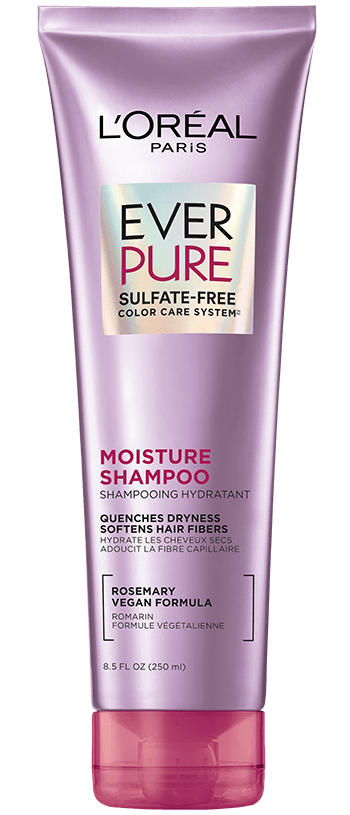
Infused with rosemary botanicals, this gentle, sulfate-free shampoo cleanses color-treated hair without stripping it of essential moisture. It helps deliver up to twice as much hydration compared to non-conditioning shampoos, leaving hair feeling soft and refreshed.
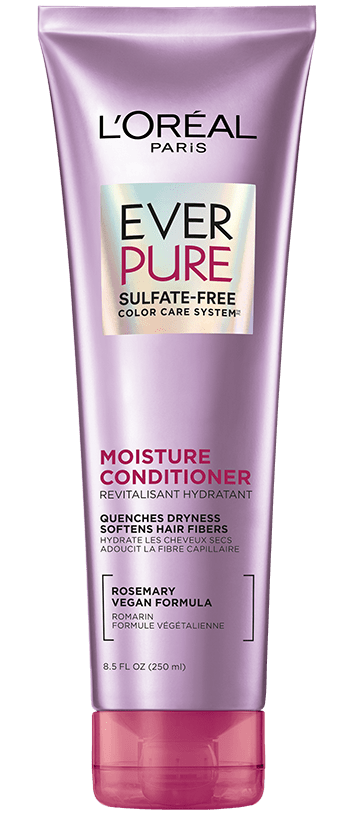
This rich, sulfate-free conditioner works to restore moisture to dry, color-treated hair. Formulated with rosemary botanicals, it helps improve softness and enhance natural-looking shine.
Designed as a multi-tasking treatment, this leave-in helps moisturize, nourish, and smooth while controlling frizz and boosting shine. It also provides heat protection up to 450°F, helping shield hair from styling damage.
Formulated with almond oil and reparative proteins, this deep conditioning mask helps restore damaged hair in just one use. It targets visible signs of damage, leaving strands feeling stronger, smoother, and more resilient.


Next Up: How To Fix Damaged Hair: Steps, Products & Routine
Photo courtesy of L’Oréal Paris

This site is intended for US consumers. Cookies and related technology are used for advertising. To learn more, or opt-out, visit AdChoices and our privacy policy.
Your Privacy Choices
 Notice at Collection