This Cream Foundation Will Change Your Makeup Routine
The era of heavy, mask-like makeup is over.




The line between makeup and skincare has blurred, giving rise to a new generation of complexion products that prioritize skin health and a natural, luminous finish. As part of this skin-first trend, many are swapping their traditional liquid foundation for a modern cream foundation, particularly those with a balm-like texture. These innovative formulas offer the coverage of a foundation with the comfort and hydration of a face cream.
While there can be a learning curve when you first try a cream foundation, the technique is much simpler than it looks. Ahead, learn about the benefits of balm and cream foundation formulas and the best way to apply them for a radiant, skin-like finish.
A balm foundation is a next-generation hybrid that combines the buildable coverage of a cream foundation with the hydrating benefits of skincare. Unlike traditional heavy cream formulas, a balm foundation has a unique, emollient texture that melts into the skin for flexible, comfortable wear. The L’Oréal Paris True Match Hyaluron Tinted Balm Foundation, for example, features an 80% skincare base with hyaluronic acid to deliver a natural, luminous finish that does not look cakey or settle into fine lines.
While these formulas are exceptionally hydrating, even those with oily skin can wear a balm foundation with the right skin prep and a touch of setting powder in key areas.



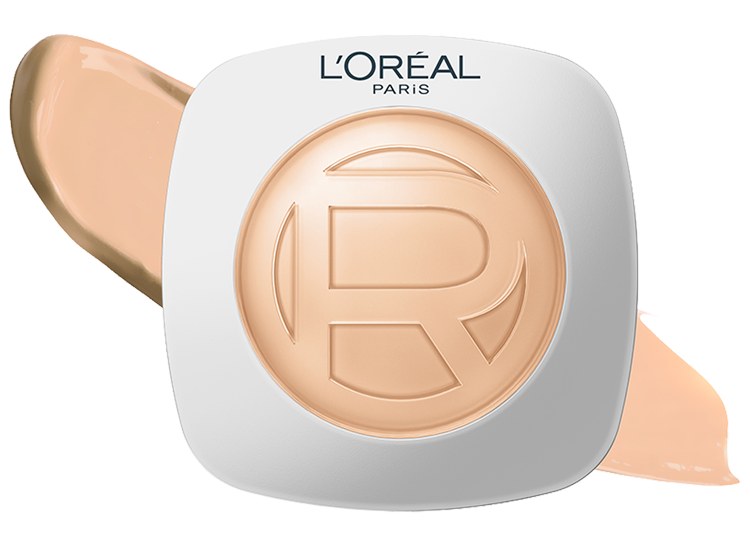
Modern cream foundation formulas, especially balm textures, offer lots of benefits that make them a go-to for a variety of skin types and concerns. Here are a few of them:
Because cream foundations maintain a dewy, emollient texture, your application routine is crucial to making them last: Never skip any prepping or setting steps. Keep reading to find out the step-by-step process for a flawless foundation.
If you want a comfortable, radiant finish that prioritizes skin health, go for a balm foundation. It is an excellent choice for a wide range of users due to its unique, forgiving texture and skin-loving ingredients.
Even the most perfect foundation has its potential downsides when you don’t use it correctly. Here’s what you should consider when choosing a cream foundation:
Learning how to apply cream foundation is all about technique. While mastering this format differs slightly from how you apply liquid foundation, implementing a few strategic adjustments will reliably deliver a flawless, professional-looking complexion that holds up all day.
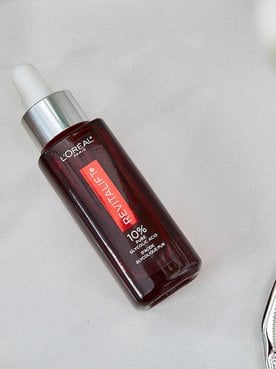
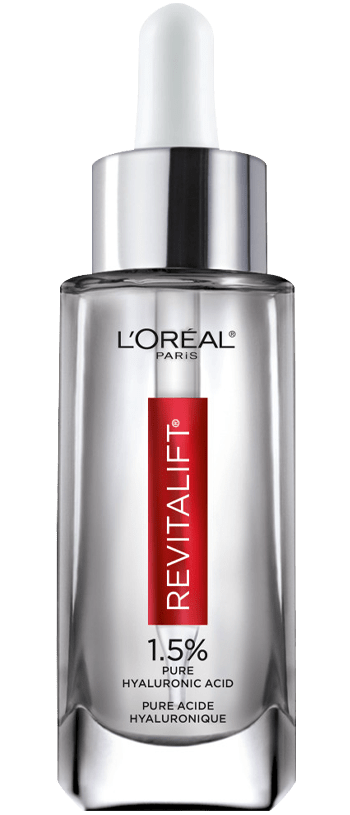
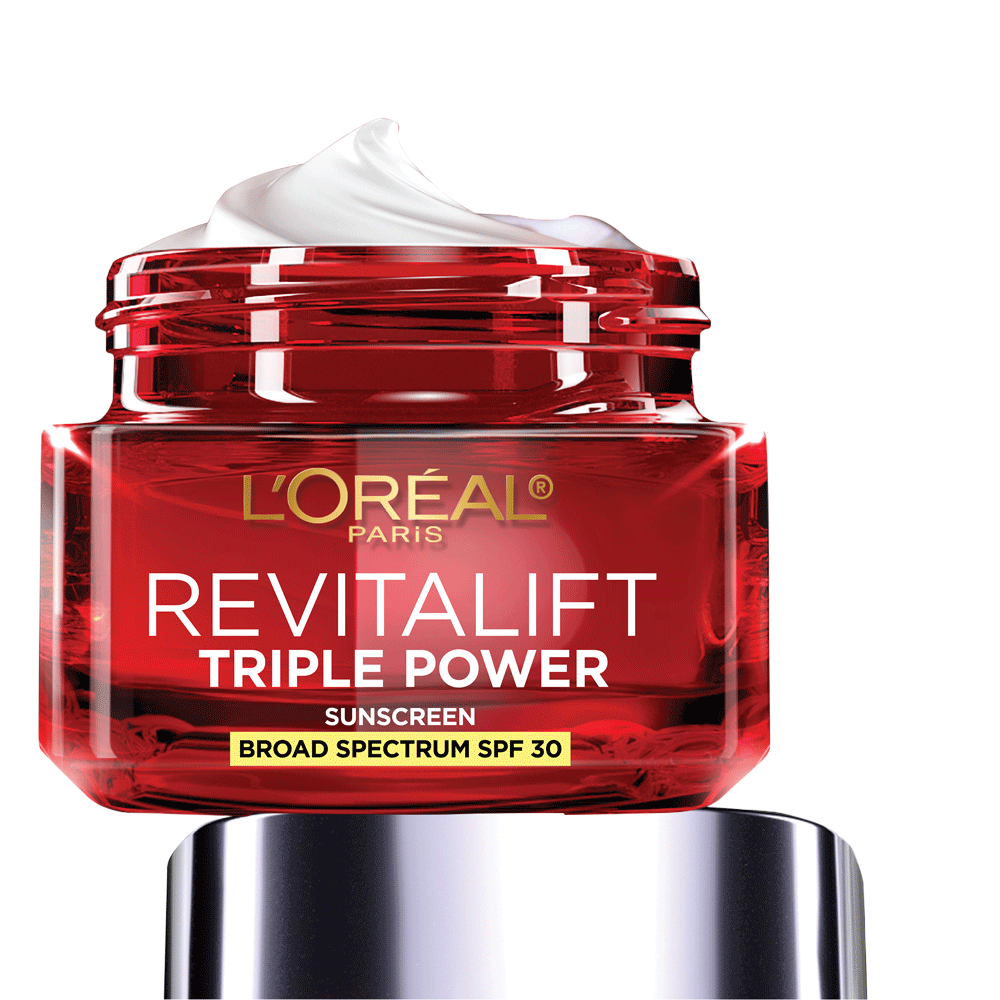
A smooth, hydrated base is non-negotiable. Start your prep by pressing the L'Oréal Paris RevitaLift Derm Intensives 1.5% Pure Hyaluronic Acid Serum into clean skin. This dermatologist-validated, lightweight serum absorbs quickly to immediately plump your skin with moisture. Follow with the L'Oréal Paris RevitaLift Micro Hyaluronic Acid + Ceramides Line-Plumping Water Cream, which uses micro hyaluronic acid and three plump-locking ceramides to seal in hydration and strengthen your moisture barrier. Finally, protect your face with the L'Oréal Paris RevitaLift Triple Power Moisturizer with SPF 30, an anti-aging cream that smooths, brightens, and guards against sun damage without leaving a white cast.

For a cream foundation like the L’Oréal Paris True Match Hyaluron Tinted Balm Foundation, warming the product is key for a seamless application. Use the water-drop-shaped applicator or your fingertips to scoop a small, pea-sized amount onto the back of your hand. Warming the balm with your skin temperature softens the emollient oils, making it incredibly easy to spread smoothly across your face.
A little goes a long way. Start with a small amount of product and build coverage only where needed.
After applying your foundation, add any concealer you may need, such as the L'Oréal Paris Infallible Full Wear Concealer Up To 24H Full Coverage. Follow with your other cream or liquid makeup, like blush and highlighter, before finishing with any powders.

Building a streamlined complexion routine around a balm formula helps you create a cohesive, radiant finish that lasts through the day. Because balm textures are designed to melt together seamlessly, layering complementary cream formulas keeps your makeup looking lively and unified. This modern approach keeps your routine feeling light while delivering a beautiful, lit-from-within luminosity.
After applying your L’Oréal Paris True Match Hyaluron Tinted Balm Foundation, use a cream blush to add a natural flush of color. Apply the L’Oréal Paris True Match Hyaluron Tinted Balm Embellisher directly onto the apples of your cheeks and the high points of your face. This makeup-skincare hybrid features an 80% skincare base with hyaluronic acid, allowing it to blend effortlessly over your foundation without shifting the coverage underneath. It melts smoothly into the skin to deliver a radiant, non-greasy flush of color that elevates your look.

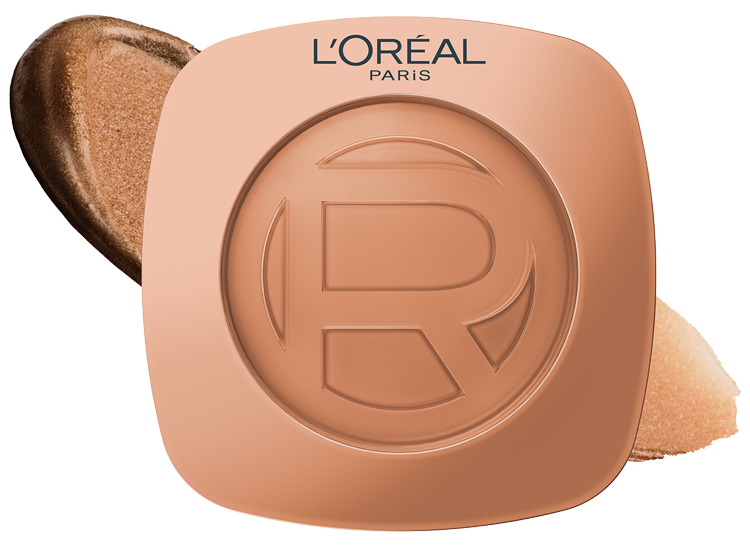
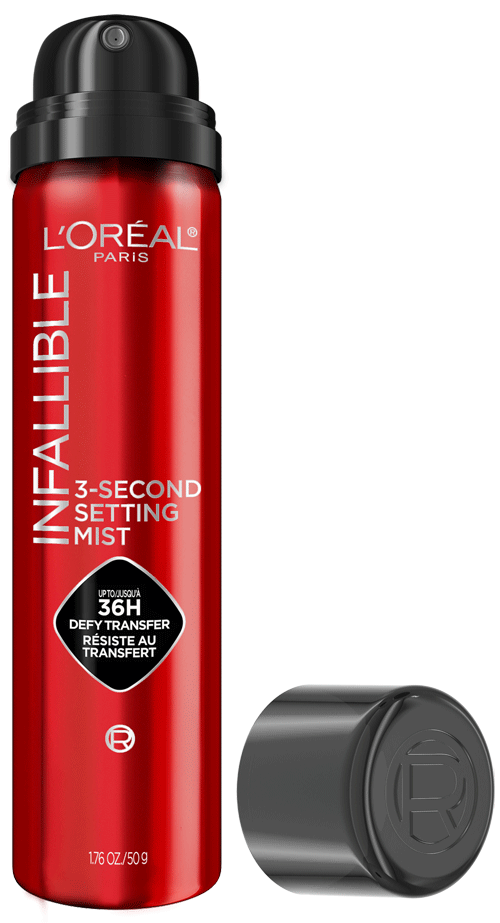
Deciding whether to set your cream foundation depends on your skin type and desired finish.


Next Up: Water-Based vs. Silicone-Based Foundation
Photo courtesy of L’Oréal Paris

This site is intended for US consumers. Cookies and related technology are used for advertising. To learn more, or opt-out, visit AdChoices and our privacy policy.
Your Privacy Choices
 Notice at Collection