How To Use and Layer Hyaluronic Acid in Your Skincare Routine
Plus, our favorite products with the hydrating hero.




Medical Disclaimer: This content is for educational purposes only and does not constitute medical advice, diagnosis, or treatment. Always seek the advice of a physician or other qualified health provider with any questions you may have regarding a medical condition.
Quick Answer: Should You Apply Hyaluronic Acid Serum Before or After Moisturizer? You should always apply hyaluronic acid before moisturizer. Hyaluronic acid is a humectant that draws water into the skin, while moisturizers typically contain occlusives designed to seal hydration in. Applying moisturizer first creates a barrier that prevents the hyaluronic acid serum from penetrating effectively. For the best results, apply your hyaluronic acid serum to damp skin, then immediately lock it in with moisturizer.
Hyaluronic acid has earned its spot as a skincare staple—and for good reason. This lightweight hydrator is loved for its ability to draw in and hold moisture, making it suitable for most skin types, from oily and acne-prone to dry and sensitive. But while hyaluronic acid is easy to use, applying and layering it correctly is key to getting the plump, dewy results it’s known for. Ahead, we’ll break down exactly how to use hyaluronic acid in your routine so your skin gets the maximum hydration payoff.
Hyaluronic acid is a naturally occurring molecule in our skin that can retain up to 1,000 times its weight in water. It’s one of the most studied hydrating ingredients in skincare science and can be found in serums, moisturizers, eye creams, and more. It’s particularly useful for minimizing dehydration.
Dehydration is one of the most common skin concerns across all ages and skin types. It occurs when the skin lacks sufficient water, not oil, which means even oily skin can become dehydrated. Several factors contribute to moisture loss:
Without adequate hydration replenishment, the skin barrier weakens, allowing moisture to escape through a process called transepidermal water loss (TEWL). This can lead to dehydration, as well as related concerns such as dullness, tightness, and discomfort.
To maximize the efficacy of hyaluronic acid, the application method is just as important as the product itself. Follow these steps to ensure proper product absorption and prevent dehydration.



For the most part, hyaluronic acid is suitable for twice-daily use. If you’re layering serums, apply any pH-dependent actives (like vitamin C and retinol) to dry skin first, then re-dampen your skin before applying hyaluronic acid. Here’s a breakdown of how to incorporate hyaluronic acid into your morning and nighttime skincare routines.
| Step | Morning | Evening | Notes |
| 1 | Cleanser | Cleanser | Leave skin slightly damp after rinsing. |
| 2 | Vitamin C Serum (on dry skin) | Retinol or exfoliants (on dry skin) | pH-dependent actives go on dry skin first; let them absorb fully. |
| 3 | Mist / Dampen Face | Mist / Dampen Face | Lightly mist or splash to ensure skin is damp before applying your hyaluronic acid serum. |
| 4 | Hyaluronic Acid Serum | Hyaluronic Acid Serum | Apply to damp skin for optimal hydration and plumping. |
| 5 | Eye Cream | Eye Cream | Look for hydrating, non-irritating formulas; some include hyaluronic acid. |
| 6 | Moisturizer | Night Cream / Moisturizer | An essential step for reducing transepidermal water loss and locking in moisture. |
| 7 | Sunscreen (SPF 30+) | -- | Morning-only step to protect the skin barrier and prevent UV damage. |
The rule of thumb for skincare layering is "thinner to thicker." Because hyaluronic acid serums usually have a lightweight, water-like viscosity, they must go on before heavier creams or oils.
If you apply moisturizer first, the oils and occlusives in the cream create a seal on the skin's surface. This barrier prevents the hyaluronic acid from penetrating the epidermis, rendering the serum ineffective. By applying your hyaluronic acid serum first, you flood the upper layers of the skin with hydration. Following with a moisturizer seals that hydration in, preventing it from evaporating into the air.
As for makeup, Dr. Zeichner advises: "Moisturize first to help seal in hydration and then layer on cosmetics after." This ensures your skin is hydrated, smooth, and well-prepped for your makeup application.
"Hyaluronic acid is like the popular kid at school who is friends with everyone," says Dr. Zeichner. "It can be combined with almost all other skin care ingredients since it helps to hydrate, plump, and protect the outer skin layer." It’s especially useful to layer with exfoliating acids, such as salicylic acid, to manage oily skin without causing dryness.
Why this combination works: Salicylic acid is a beta-hydroxy acid (BHA) that needs a lower pH to exfoliate inside the pore, while hyaluronic acid is pH-neutral. Salicylic acid dissolves excess oil and dead skin cells, but can be drying with regular use. Hyaluronic acid replenishes the moisture that salicylic acid removes, helping keep skin hydrated and minimizing the tightness and flaking that often come with BHA use. To get the full benefits of both, apply them in the correct order so the acid isn’t neutralized and absorption isn’t compromised.
Here’s a step-by-step guide to layering these two ingredients:
You can use this combination in either your morning or evening routine. If you use salicylic acid only at night, you can still use hyaluronic acid twice daily (once in the morning without the BHA step, and once at night with it).
Hyaluronic acid is non-reactive, meaning it does not conflict with potent actives like vitamin C or retinol. In fact, it often improves the tolerability of these ingredients. Here’s how to use them together.
Vitamin C: Vitamin C is an antioxidant that protects against free radical damage, and typically requires a lower pH to absorb. Apply vitamin C serum first on clean, dry skin in the morning. Once absorbed, lightly re-dampen the skin with a facial mist or tap water, then layer hyaluronic acid on top to restore moisture.
Retinol: Retinol can be drying. To counteract this, you can use the "sandwich method" (moisturizer > retinol > moisturizer) or simply apply hyaluronic acid first to create a hydration buffer before applying your retinol. This can help mitigate the "purging" or flaking often associated with retinoid use.
Use this quick reference guide to determine if your current products play well with hyaluronic acid.
| Ingredient | Compatible? | Order of Application | Notes |
|---|---|---|---|
| Salicylic Acid | Yes | Salicylic acid first | Apply hyaluronic acid after to hydrate. |
| Vitamin C | Yes | Vitamin C first | Apply hyaluronic acid after vitamin C absorbs. |
| Retinol | Yes | Hyaluronic acid first or sandwich method | Hyaluronic acid can buffer retinol irritation. |
| Ceramides | Yes | After hyaluronic acid | Ceramides help lock in the hyaluronic acid. |
| Moisturizer | Yes | After hyaluronic acid | Crucial for sealing in moisture. |
| Foundation/Makeup | Yes | After hyaluronic acid and moisturizer | Let skincare dry to prevent pilling. |
Hyaluronic acid is an excellent primer for makeup because it smooths the skin's texture, allowing for more even application.
How to avoid pilling: One common issue when layering skincare under makeup is "pilling" (when product balls up). To avoid this, allow your hyaluronic acid serum and subsequent moisturizer to dry down completely (about 60 seconds) before applying foundation.
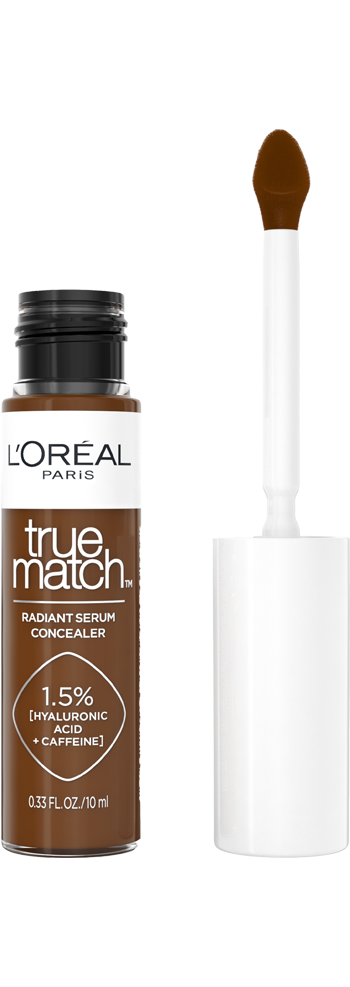
Hyaluronic acid in makeup: You can also find makeup products formulated with hyaluronic acid. "Hyaluronic acid is commonly used as a supporting ingredient in most skincare and cosmetic products you are already using because of its humectant [moisture-retaining] benefits," notes Dr. Zeichner. For example, the L’Oréal Paris True Match Radiant Serum Concealer contains 1.5% pure hyaluronic acid and caffeine and provides up to 24 hours of hydration for the under-eye area.
When using a high-concentration serum (such as 1.5% pure hyaluronic acid), results can be both immediate and cumulative.

Clinical study, 53-75 women. Results may vary.


Not all hyaluronic acid serums are created equally. The efficacy often depends on the molecular weight of the hyaluronic acid used in the formulation:
To learn more about the roles of different molecular weights of Hyaluronic acid in anti-aging formulas, read Hyaluronic Acid and Skin: Its Role in Aging and Wound-Healing Processes. The L'Oréal Paris RevitaLift Derm Intensives 1.5% Pure Hyaluronic Acid Serum is included in this scientific review of the role of hyaluronic acid in anti-aging products as an example that includes all three molecular weights of hyaluronic acid.
Applying hyaluronic acid properly is the key to getting the most out of the ingredient. Here are a few common application mistakes and how to avoid them.
| Mistake | Why It Matters | The Fix |
| Applying to dry skin | Hyaluronic acid pulls moisture from the environment; on dry skin, it may draw water out rather than in. | Always apply hyaluronic acid to damp skin. |
| Skipping moisturizer | Without an occlusive seal, hydration can evaporate (transepidermal water loss). | Always follow with a cream or lotion. |
| Applying in the wrong order | Layering serum over an oil or thick cream prevents absorption. | Apply thinner serums first. |
| Not letting it set before makeup | This can cause pilling. | Wait 60 seconds before applying foundation. |
| Inconsistent use | Using it sporadically reduces cumulative anti-aging benefits. | Use morning and night, every day. |
Hyaluronic acid is non-comedogenic and naturally found in the body, making it suitable for almost everyone.

What is the best way to apply hyaluronic acid serum in my skincare routine?
Do you put hyaluronic acid on before or after moisturizer?
How do you layer hyaluronic acid with salicylic acid?
Can you layer hyaluronic acid with vitamin C?
When should you put hyaluronic acid on your face?
Should you use hyaluronic acid at night?
How do I layer hyaluronic acid with other actives?
Is hyaluronic acid good under makeup?
Is hyaluronic acid a toner or a serum?
Where does hyaluronic acid go in a skincare routine?
Does hyaluronic acid cause purging?
Can I use hyaluronic acid every day?
What is the difference between high and low molecular weight HA?
Can you mix hyaluronic acid into foundation?
If you’re interested in adding hyaluronic acid to your routine, here’s a look at our best products containing the ingredient:
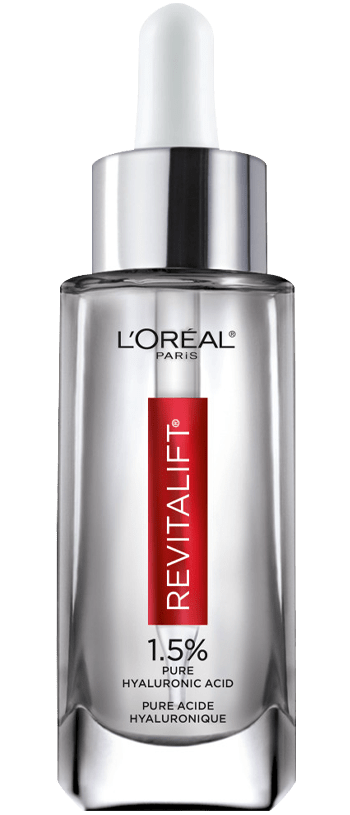
Serum: L'Oréal Paris RevitaLift Derm Intensives 1.5% Pure Hyaluronic Acid Serum—a potent, fragrance-free formula with both low and high molecular weight hyaluronic acid for multi-depth hydration.
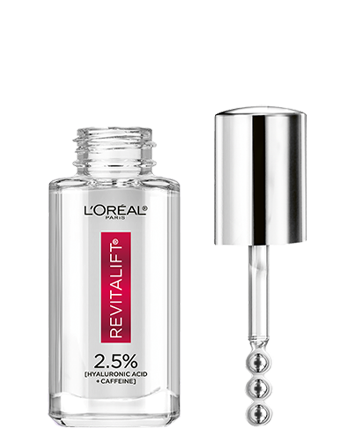
Eye Serum: L'Oréal Paris RevitaLift 2.5% Hyaluronic Acid + Caffeine Eye Serum—targets puffiness and dark circles with a cooling triple roller applicator.
Moisturizer: L'Oréal Paris RevitaLift Micro Hyaluronic Acid + Ceramides Line-Plumping Water Cream—a lightweight formula that locks in moisture and strengthens the skin barrier with three types of ceramides.
Day Lotion: L'Oréal Paris RevitaLift Triple Power Moisturizer SPF 30—combines pro-retinol, vitamin C, and hyaluronic acid for anti-aging protection with broad-spectrum SPF.
Concealer: L’Oréal Paris True Match Radiant Serum Concealer (0.5% hyaluronic acid)—provides coverage with 24-hour hydration for the delicate eye area.
Dr. Joshua Zeichner, MD, FAAD Dr. Joshua Zeichner is a Board-Certified Dermatologist and the Director of Cosmetic and Clinical Research in Dermatology at Mount Sinai Hospital in New York City. A leading expert in cosmeceuticals, acne, and skin care, his research has been published in top peer-reviewed dermatology journals. He was awarded the Elle Magazine Skin Genius Award in 2015 and has been voted to New York Magazine's Best Doctors list since 2018.
Next Up: How To Use Glycerin for Skin Without Overdoing It
Photo courtesy of L’Oréal Paris

This site is intended for US consumers. Cookies and related technology are used for advertising. To learn more, or opt-out, visit AdChoices and our privacy policy.
Your Privacy Choices
 Notice at Collection