How To Address Black Spots on Your Face
Say goodbye to uneven tone with these dermatologist-approved tips.




Whether you call them hyperpigmentation, dark skin spots on your face, or simply black spots, these patches of discoloration can be a major source of frustration. Understanding how to manage black spots on your face starts with identifying their cause and choosing the right topical treatments to restore your natural glow.
These marks are commonly caused by factors like sun exposure, acne scars, or hormonal changes like melasma. While you might be looking for ways to remove dark spots on your face, it is important to remember that fading these discolorations is a marathon rather than a sprint, often taking several weeks or even months to show visible results. Effective management typically involves a combination of targeted topical ingredients, daily sunscreen, and professional dermatologist treatments.
To learn more about black spots on your face and, most importantly, what you can do about them, we tapped Michelle Henry MD, FAAD, a board-certified dermatologist and L’Oréal Paris consultant. And what we found out was indeed illuminating.
Keep reading to learn more about identifying different types of discoloration and building a routine that helps you achieve a more even complexion.


.png)
Dark spots are quite literally what they sound like—small patches of discoloration that are darker than your regular skin tone. They are a form of hyperpigmentation that occurs when the pigment that gives skin its color, melanin, goes into overdrive.
Depending on your specific skin tone, these marks may appear as brown or black spots on the face or even grayish patches. While they can appear on anyone, people with medium to dark skin tones are especially prone to developing them. They occur when melanin production is triggered by factors such as acne, sun damage, skin irritation, or hormonal fluctuations. You might also hear them referred to as age spots, sun spots, or post-inflammatory hyperpigmentation, depending on the cause.
Something to keep in mind is that dark spots and hyperpigmentation are two terms that are often used interchangeably, but they aren’t always quite the same thing. “All hyperpigmentation is dark by definition, but not all hyperpigmentation is a spot”, says Dr. Henry. “For instance, melasma is a wide, irregular patch across the face, she points out. It is not a spot, but it is dark and a type of hyperpigmentation”.
There are several distinct categories of skin darkening, and understanding which one you have is the first step in learning how to treat dark spots on the face. It is also common for multiple causes to occur simultaneously, and sun exposure can, unfortunately, worsen all types.
No matter the cause, all dark spots on the skin can become darker and more pronounced when they are exposed to the sun. Keeping your skin protected from the sun is one of the best ways to help minimize the appearance of black spots on your face and prevent future spots from developing.
While most cases of hyperpigmentation are caused by external factors, black spots on the face can sometimes be linked to deficiencies in Vitamin B12 and folic acid. These vitamins play a crucial role in skin health and cell regeneration, and a deficiency can lead to hyperpigmentation. Vitamin B12 deficiency, in particular, may cause uneven skin tone, while a lack of folic acid can contribute to darker spots. However, it is important to note that these deficiencies are much less common causes of discoloration than sun damage or acne.
If you suspect your diet might be affecting your skin, you should consult a healthcare provider for a blood test. Even if a deficiency is present, topical ingredients and strict sun protection remain the most effective cosmetic ways to remove dark spots on the face. Additionally, vitamins like Vitamin C and Vitamin E help maintain an even skin tone by protecting against oxidative damage and promoting collagen production, which is essential for healthy, balanced skin.
If you are wondering what to use for dark spots on the face, certain topical ingredients are proven to help. Consistent use of these actives can gradually fade discoloration by reducing melanin production or increasing cell turnover to reveal fresher skin. While you won't remove dark spots in 5 minutes, the following ingredients can help them become less noticeable over time and help you lighten dark skin spots on your face. In addition to the classics below, many dermatologists also recommend ingredients like azelaic acid and kojic acid to help brighten the complexion.
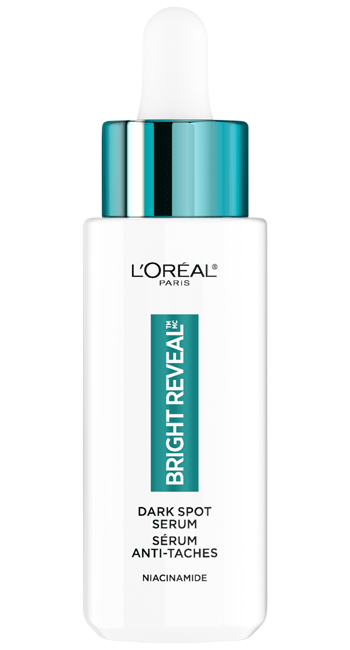
If you are looking to treat dark spots on your face and promote a more even skin tone, consider adding niacinamide to your skincare routine. Studies have found that this naturally occurring form of vitamin B3 can help lighten dark spots by inhibiting melanin transfer to the skin surface. It is particularly effective for post-acne marks and general unevenness. You can find this powerful ingredient in the L’Oréal Paris Bright Reveal 12% [Niacinamide + Amino Sulfonic + Ferulic Acid] Dark Spot Serum, which is a concentrated treatment designed to visibly reduce the appearance of dark spots. Apply a few drops to clean skin both morning and night before your moisturizer.
Another excellent option is the L’Oréal Paris Dark Spot Exfoliant Peel. This dermatologist-validated formula helps reduce the appearance of all types of dark spots and gently exfoliates to reveal brighter-looking skin. You just have to apply, leave for 15 minutes, and rinse. Your skin will start to look more even in just a couple of weeks, and small dark spots on your face will be less visible with continued use. Plus, the lightweight peel is suitable for all skin types and even sensitive skin, making it one of the most effective solutions when looking to clear dark spots on the face.

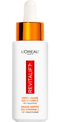
Vitamin C, also known as ascorbic acid, is a gold standard for brightening the skin and reducing the appearance of hyperpigmentation over time. This powerful antioxidant helps protect your skin from free radicals and environmental stressors that can worsen black spots on the face. When used consistently, products with vitamin C may help fade dark spots while making your skin look brighter and smoother. For a potent daily dose, try the L'Oréal Paris RevitaLift 12% Pure Vitamin C + E + Salicylic Acid Serum. This serum is a non-greasy formula that helps brighten skin tone and refine pores. Smooth it over your face every morning before applying your SPF to maximize its protective benefits.

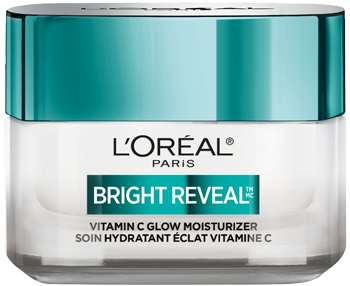
To keep your skin hydrated and glowing all day, you can also use the L'Oréal Paris Bright Reveal Vitamin C Glow Moisturizer, 72H Hydration. This lightweight cream provides long-lasting moisture while using Vitamin C to enhance radiance. Massage it into your skin as the final step of your morning routine to lock in hydration.


While retinol is best known for its anti-aging benefits, this vitamin A derivative can also help fade dark marks on the face by accelerating skin cell turnover. This process helps pigmented cells shed faster, revealing a more even-looking appearance over time. By exfoliating the skin, retinol may also help keep clogged pores and breakouts to a minimum, which can help prevent future marks.
Because retinol is powerful, we suggest a gradual introduction and strictly using it at night. The L'Oréal Paris RevitaLift Night Serum, 0.3% Pure Retinol, is a high-potency serum that targets deep wrinkles and uneven texture. Apply two to three drops to clean, dry skin at night, starting with just twice a week to build tolerance.
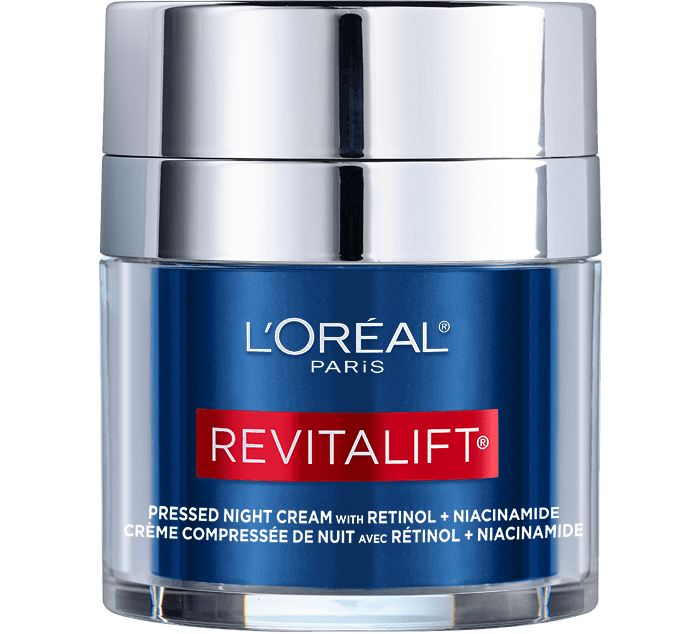
The L'Oréal Paris RevitaLift Pressed Night Moisturizer with Retinol + Niacinamide combines the power of retinol with the soothing benefits of niacinamide. This pressed cream deeply hydrates while working to smooth skin texture. Use one pump for your face and neck every evening after cleansing. Remember that daily SPF is non-negotiable when using retinol to prevent further pigmentation.

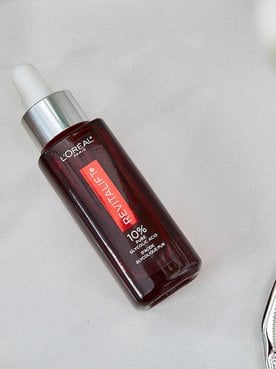
Glycolic acid is an alpha-hydroxy acid (AHA) that exfoliates the skin surface to improve tone and texture. It helps remove pigmented surface cells, gradually revealing brighter skin underneath while minimizing the appearance of enlarged pores. Unlike some other AHAs, it is also hydrating, making it an ideal pick if you have drier skin. The L'Oréal Paris RevitaLift 10% Pure Glycolic Acid Serum is a daily serum that visibly evens skin tone and reduces wrinkles. Apply it to your face in the evening, followed by a moisturizer to keep your skin supple.

Unless you’re deep in the skincare world, you may not have heard of Melasyl before. This patented ingredient was developed by L’Oréal following 18 years of research and countless studies. It works similarly to niacinamide and helps target dark spots before they form to help maintain a clear, radiant-looking complexion. You can find this powerful compound in the L’Oréal Paris RevitaLift Triple Power Melasyl Dark Spot Creamy Serum, a dermatologist-tested formula that helps visibly reverse up to five years of uneven pigmentation within just eight weeks of consistent use.
` As we mentioned earlier, sun exposure can both cause and worsen the appearance of existing black spots on the face. Following current dermatology guidance, you should wear a broad-spectrum sunscreen with SPF 30 or higher every single day, even on cloudy days or when sitting near windows.
The L'Oréal Paris RevitaLift Triple Power Moisturizer with SPF 30 is a multitasking cream that hydrates, firms, and protects. This moisturizer uses Pro-Retinol and Vitamin C alongside sun protection to address multiple signs of aging at once. Apply it liberally to your face and neck every morning as your final skincare step.
Prevention is the most effective strategy when it comes to maintaining an even complexion. By using gentle skincare and consistent sun protection, you can significantly reduce the risk of developing post-inflammatory hyperpigmentation and sun damage. Here are some tips to help you stay spot-free.
Whether you are a skincare novice or a pro, you must wear sunscreen every day, rain or shine. The L'Oréal Paris RevitaLift Triple Power Moisturizer with SPF 30 is a great pick for daily use because it combines anti-aging actives with essential sun defense in one easy step.
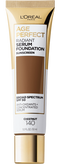
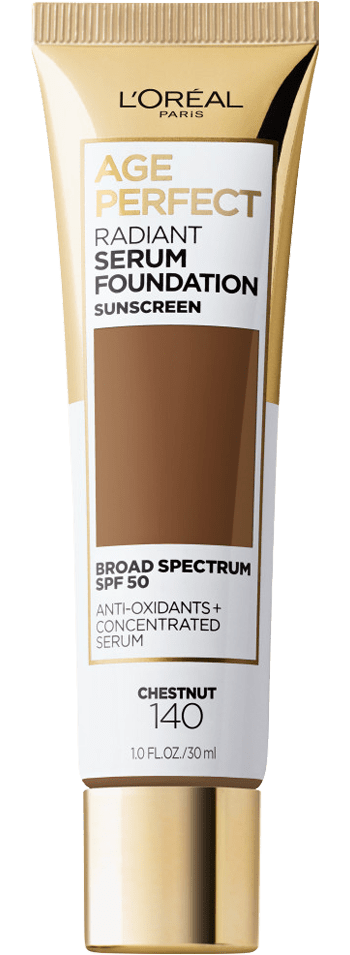
If you want coverage and protection, another great option is the L'Oréal Paris Age Perfect Radiant Serum Foundation with SPF 50. This foundation provides natural, radiant coverage while offering high-level sun protection for mature skin. Blend it onto your face with a sponge for a flawless finish that shields your skin all day.

If you will be outdoors for a while, the American Academy of Dermatology (AAD) recommends reapplying your sunscreen every 2 hours, or after swimming or sweating. Reapplication is essential to maintaining the protective barrier that prevents black spots on the face from darkening. If you are doing a full-body application, think about using about the amount of SPF that would fill a shot glass.
Sunscreen helps protect your skin from the sun, but it is not foolproof. For additional protection, you should take other sun protection measures. These include limiting the amount of time you spend in the sun, especially between 10 a.m. and 2 p.m., seeking shade, and covering up in long sleeves, pants, a broad-brimmed hat, and UV-blocking sunglasses.
If you are prone to melasma, using a tinted SPF can also provide protection against visible light, which is known to trigger certain types of hyperpigmentation.
We know it can be tempting when you look in the mirror and see a big whitehead or blackhead staring back at you, but you must resist giving it a pop. Picking at your skin triggers inflammation that leads directly to post-inflammatory hyperpigmentation. “Not only is picking going to increase the chances of hyperpigmentation,” Dr. Henry warns, “but it could also contribute to textural changes.” In short, picking at your acne can lead to hard-to-treat black spots on your face or even permanent scarring.
Along the same lines, try to be more conscious about not touching your face. While it is easier said than done (Fun fact: One study found that participants touched their faces an average of 23 times per hour), touching your skin spreads bacteria and can worsen existing breakouts, making it more likely that you will be left with dark spots and scars. If you find yourself thinking, “I have black patches on my face,” it might be a sign that constant irritation or picking is making your skin react.
When in doubt, visit a dermatologist. They can help tailor a plan to your specific skincare needs and offer recommendations for removing black spots. Professional guidance is especially important if you are wondering when should I worry about black spots, as they can identify any marks that might require medical attention. Dermatologists also have access to stronger topical treatments and in-office procedures that can effectively remove dark spots on the face.
Try as we may, sometimes black spots on the face are unavoidable. If you already have discoloration, focus on these treatment strategies to help you get rid of black marks on your face through careful intervention and targeted care.
If you are prone to dark spots, Dr. Henry recommends incorporating a chemical exfoliant like glycolic acid into your regular skincare routine to help shed pigmented cells. Exfoliation should be gentle and consistent rather than aggressive to avoid causing further irritation. The L'Oréal Paris RevitaLift 10% Pure Glycolic Acid Serum is a perfect daily tool for this, as it resurfaces the skin gently to help promote a more radiant-looking complexion.
A serum, cream, or other dark spot-specific skincare treatment can help improve the appearance of small dark spots on your face over time. These products use concentrated brightening ingredients to reduce melanin production in targeted areas. The aforementioned L’Oréal Paris Bright Reveal 12% [Niacinamide + Amino Sulfonic + Ferulic Acid] Dark Spot Serum is a great pick for those battling existing spots. Or, incorporate the potent L’Oréal Paris RevitaLift Triple Power Melasyl Dark Spot Creamy Serum into your routine to help fade existing dark spots and prevent new discoloration from forming.
We also recommend the L'Oréal Paris Revitalift Derm Intensives 12% Pure Vitamin C + E + Salicylic Acid Serum for those looking to keep discoloration at bay. This formula with vitamin C, salicylic acid, and vitamin E helps brighten and refine the skin while visibly evening skin tone. It also helps reduce the appearance of age-related concerns, such as fine lines and enlarged pores, revealing a smoother, more youthful-looking complexion over time. Apply it to clean skin every morning for the best results.

While you are waiting to see an improvement in the look of your black spots on your face, makeup offers a great temporary solution for hiding them. These tips will help you achieve a seamless finish while your skincare treatments work their magic in the background.
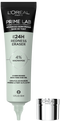
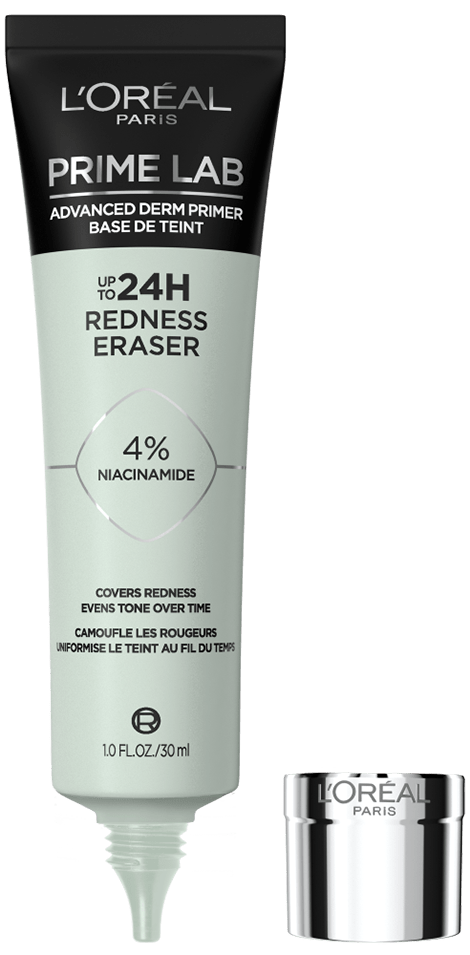
If you have black spots on your face or other skin discolorations, consider adding a color-correcting concealer to your routine. For brown or purple-toned discoloration, yellow correctors can help neutralize the tone. If you have fair to medium skin with an uneven, reddish tone, try the L’Oréal Paris Prime Lab Up to 24H Redness Eraser. This green-tinged primer instantly hides redness and helps improve skin tone with consistent use. Smooth a small amount over your face after your moisturizer to create a balanced base.
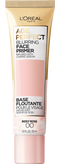
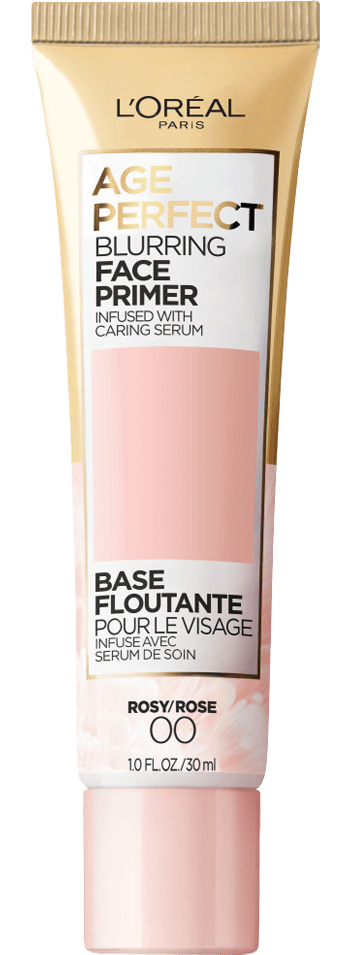
You can also use a skin-perfecting makeup primer, like the L’Oréal Paris Age Perfect Blurring Face Primer Infused with Serum. This primer is a silky formula that blurs imperfections and lines while providing a smooth surface for foundation. Apply it to the center of your face and blend outward for an instant smoothing effect.
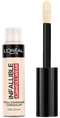
Once you are done color-correcting, use a full-coverage concealer like the L’Oréal Paris Infallible Full Wear Concealer up to 24H Full Coverage. This is a waterproof, matte-finish concealer that stays in place all day. Dot a small amount onto your dark spots and buff it out with a brush or your finger for total coverage.
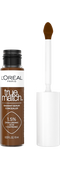
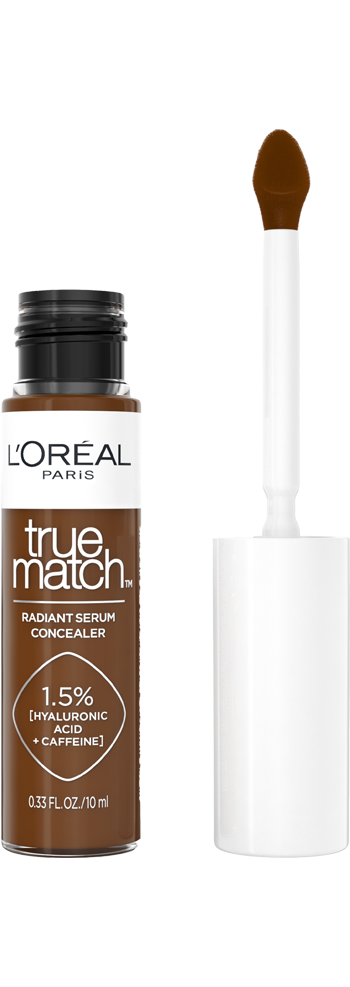
Another effective option is the L’Oréal Paris True Match Radiant Serum Concealer. This is a medium-coverage concealer formulated with hyaluronic acid and caffeine to hydrate and brighten. Use the applicator to swipe it under your eyes or over imperfections, then blend for a natural, radiant finish.

Once you have finished with concealer, it is time to move on to foundation. Try the L'Oréal Paris Infallible 32 Hour Fresh Wear Foundation. This lightweight, breathable foundation is transfer-proof and offers buildable coverage. To use, stipple the liquid foundation onto your skin with a brush, then blend until the finish is even and your black spots are fully masked.
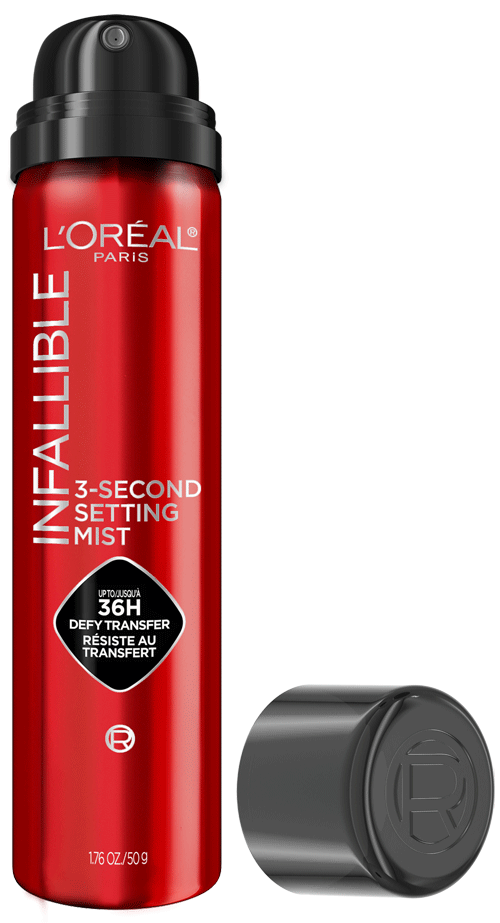
To help your makeup stay in place and avoid midday touchups, use a setting spray. You can seal the deal with the L’Oréal Paris Infallible 3-Second Setting Mist. This professional-grade mist keeps your look fresh for hours. Shake the can well, then spray it on in an X and T motion to lock everything in.

Dermatologists can offer stronger treatments when topical skincare is not enough to remove dark spots on the face. The choice of treatment often depends on the type and depth of your pigmentation.
Next Up: How To Achieve a More Even Skin Tone
Photo courtesy of L’Oréal Paris

This site is intended for US consumers. Cookies and related technology are used for advertising. To learn more, or opt-out, visit AdChoices and our privacy policy.
Your Privacy Choices
 Notice at Collection
.png?w=60&hash=684C4B2D5FE2760FAFAD2E162D26C722)