Should You Wear Sunscreen Every Day? Here's Why and How To Apply It Correctly
Protect your skin from premature aging with these daily tips




Content Summary
Making sunscreen a regular part of your daily skincare routine is one of the absolute best ways to keep your skin healthy, youthful, and vibrant. Whether it is a cloudy winter afternoon or you are simply relaxing indoors near a sunny window, harmful UV rays can still reach your skin and cause long-term damage. In this article, you will discover the major benefits of daily sun protection, tips for choosing the right broad-spectrum formula for your specific skin type, and how to apply it properly for the best results.
If you’re wondering whether you should wear sunscreen every day to maintain a healthy and vibrant complexion, here’s your answer. Making everyday sun protection a core part of your morning skincare routine is essential for long-term skin health.
While most people make it a habit during the summer months or when they are vacationing by the sea, the reality is that sunscreen should be part of your everyday routine—and yes, we do mean every day, winter included. The sun emits ultraviolet radiation in the form of UVA and UVB rays, exposure to which can cause a host of skin concerns, from sunburns to premature aging.
Daily sunscreen application may not prevent these concerns entirely, but it can help protect your skin's appearance and feel over time. Keep reading to learn everything you need to know about protecting your skin daily and finding the perfect routine for your lifestyle.
Should you wear sunscreen every day? The answer will always be yes, and here’s why. Applied properly, sunscreen can help protect your skin from sunburn, early signs of aging, and even skin cancer.
According to the Skin Cancer Foundation, everyone over the age of six months should wear sunscreen daily to safeguard against UV damage. As we go about our daily lives, we are exposed to much more UV radiation than we might expect. In fact, research shows that most sun damage results from everyday sun exposure, rather than the intense but short-lived bursts you may get on a sun-soaked vacation. Wearing sunscreen daily can help protect your skin from these damaging rays.
As far as which sunscreen to use, it is up to you—physical and chemical sunscreens both have their merits. Whichever you choose, follow the United States Food and Drug Administration advice of using a broad-spectrum sunscreen with a sun protection factor (SPF) of at least 15, although the higher, the better.
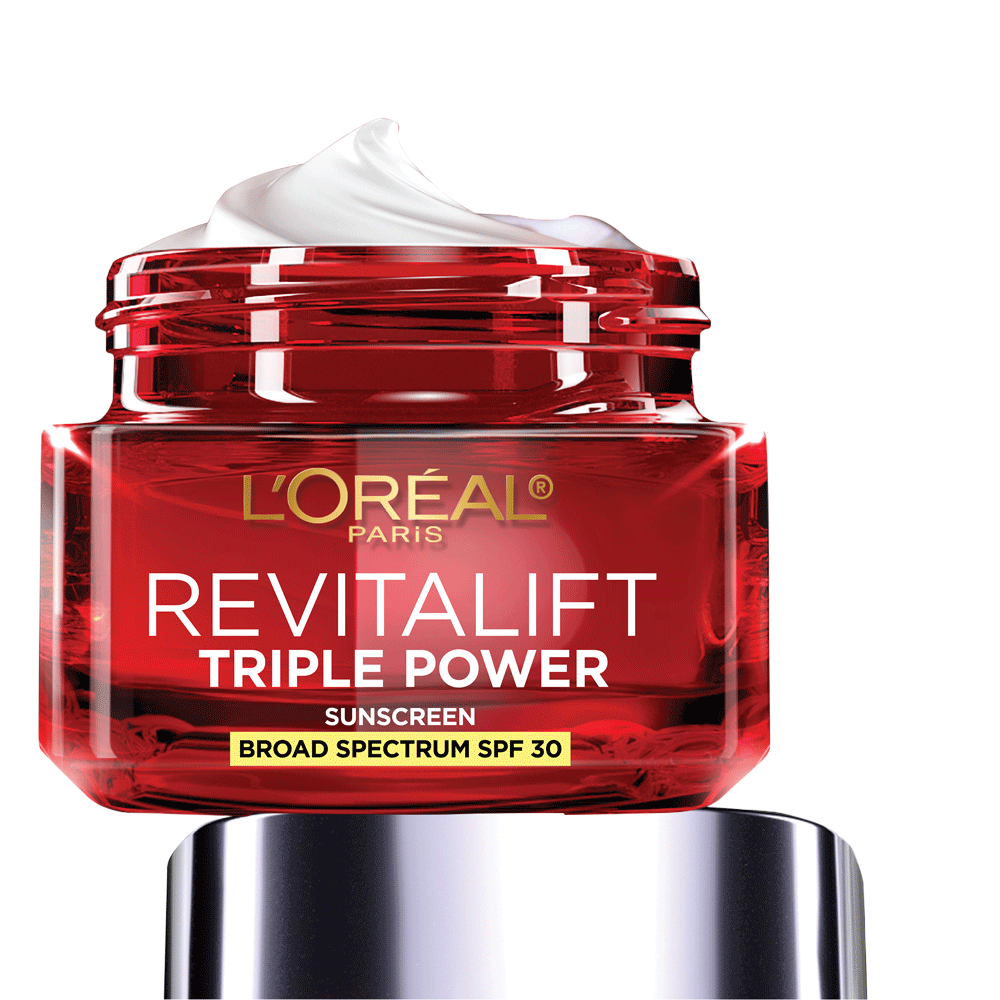
Try the L’Oréal Paris Revitalift Triple Power Anti-Aging Moisturizer with SPF 30, which protects your skin while keeping it hydrated. This sunscreen-moisturizer hybrid is an easy way to incorporate sun protection into your daily routine.


Wearing sunblock every day consistently transforms your skin tone, texture, and resilience. Daily sunscreen delivers immediate defense while providing continuous preventive care against environmental aggressors.
Applying sunscreen daily provides a vital shield against UVB rays, the main culprits behind painful redness and surface burns. This continuous defense preserves the integrity of your moisture barrier and prevents acute cellular damage.
Wearing sunscreen every day results in healthier, more radiant skin over time. One of the major benefits of wearing sunscreen on the face every day is its remarkable ability to block the deep-penetrating UVA rays that accelerate aging. When you stay consistent, you can significantly minimize the look of premature changes, including fine lines, wrinkles, and loss of firmness.
Daily sun protection stops UV radiation from triggering excess melanin production, which often leads to uneven patches.
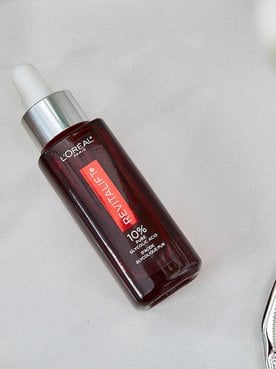
To actively treat existing discoloration while safeguarding your skin, pair your daily SPF with the L’Oréal Paris Revitalift Triple Power Melasyl Dark Spot Creamy Serum. This concentrated daily serum is designed to target and visibly reduce dark spots, sun spots, and age spots. You can apply a few drops to clean skin each morning and night to help even out skin tone and improve overall skin clarity and radiance for a more youthful appearance.

.png)
Committing to everyday sun protection reduces your lifetime accumulation of UV exposure, helping keep cells functioning optimally. Sunscreen is a defense strategy to maintain youthfulness.
You may be asking yourself, “Should I wear sunscreen every day, even when the sun is not visibly shining?” The answer is a definitive yes, as UV rays remain active during various environmental conditions, seasons, and settings.
Any time you step outside, even for a brief walk or an outdoor errand, your skin is vulnerable to direct exposure. Ensuring you have applied an adequate layer of protection prior to leaving the house keeps your skin fully defended.
Up to 80% of UV rays can penetrate through dense cloud cover, meaning your skin can still experience damage on overcast days. Skipping your application on gloomy days leaves your face unprotected against these hidden rays.
Snow can reflect up to 80% of solar radiation, effectively doubling your UV exposure from both above and below. This makes seasonal care just as critical during the coldest months of the year.
Standard car windshields and side windows do not block all forms of ultraviolet radiation, leaving your face, neck, and hands exposed during your commute. Applying your formula prior to getting behind the wheel ensures comprehensive safety.
If you spend your days lounging or working close to glass doors, you are still within reach of sun rays. Ambient light can easily affect your skin over several hours if you remain unprotected.
Sometimes, yes. A common question is whether you should wear sunscreen daily if you do not plan to leave the house, and the answer depends heavily on your indoor setup.
Experts recommend wearing sunscreen while indoors if you plan to spend a lot of time near a window or door that lets in natural light. Though the Skin Cancer Foundation notes that UVB rays, the type responsible for sunburns, are largely blocked by windows, roughly 50% of skin-damaging UVA rays can penetrate through glass, and clouds are no match for them either. As such, if you are working, sitting, lounging, or doing housework by a window, you are likely to be exposed to those harmful rays.
If you have trouble remembering to apply sunscreen when you are spending time indoors, consider swapping your usual moisturizer for an SPF moisturizer like the L’Oréal Paris Revitalift Triple Power Anti-Aging Moisturizer with SPF 30. This anti-aging face moisturizer is formulated with Pro-Retinol, Vitamin C, and Hyaluronic Acid to visibly reduce wrinkles, firm, and brighten skin. The lightweight, non-greasy formula absorbs quickly, leaving the skin feeling softer and more hydrated, while protecting against ultraviolet rays. Smooth it over your face and neck every morning as your final hydration step.

Now that we’re past the question of whether you should use sunscreen every day, it’s time to choose a product that fits your needs.
Ensure your chosen formula states broad-spectrum on the label, which guarantees that it filters out both burning UVB rays and aging UVA rays. This dual coverage is the baseline for comprehensive daily skin defense.
Dermatologists agree that a minimum of SPF 30 is necessary to filter out approximately 97% of incoming UV rays during normal daytime activities. Higher ratings offer an extra margin of safety for extended periods outdoors.
Your daily sunscreen should complement your unique complexion needs so that you enjoy wearing it without experiencing unwanted breakouts or dry patches.
To achieve the full benefits of wearing sunscreen every day, the right sequence and coverage are key.
Sunscreen should sit on top of your skincare to act as a protective barrier against environmental stressors. Follow this exact application order during your morning regimen:

When you apply your formula, it is easy to focus only on the center of your face, but people frequently skip crucial zones that receive high amounts of direct sunlight throughout the day. To ensure complete coverage, make it a habit to glide your formula thoroughly across all exposed skin.
Take a few extra moments to smooth the product over your ears, sweep it all the way down your neck and chest, and massage it into the backs of your hands. Finally, blend the edges carefully up into your hairline to prevent any unprotected gaps along the top of your face.
Give your sunscreen a few minutes to fully dry and form its protective matrix on your skin before applying cosmetics. This prevents the active ingredients from shifting or diluting during your makeup application.
Determining exactly how much formula to apply is key to achieving full label protection.
To ensure adequate coverage for the face and neck, try the 3-Finger Rule. Here’s how it works: Extend your pointer, middle, and ring fingers, then squeeze a continuous line of product from the base of each finger all the way to the tip. This specific amount guarantees you are applying enough formula to achieve the actual sun protection factor listed on your bottle, giving you peace of mind that your skin is completely shielded from damage.
For full-body coverage, a shot-glass-sized amount is generally recommended to shield all exposed extremities. Adjust the volume depending on your clothing choices and skin surface area.
There are many misconceptions about whether you should use sunscreen every day, which often lead to accidental skin damage. Let us set the record straight on these common beauty myths.
UV rays do not take a seasonal vacation, meaning cloud cover and cooler weather do not stop radiation from reaching your face. Year-round application is required to maintain youthful, resilient skin.
Up to 80% of solar radiation passes straight through clouds, meaning your skin can experience silent damage even on foggy mornings. Consistent application ensures you are never caught off guard.
The minor amount of sun protection in your standard cosmetics is rarely applied heavily enough to offer full clinical defense. So it’s always a good idea to double the defense, using sunscreen and SPF makeup.
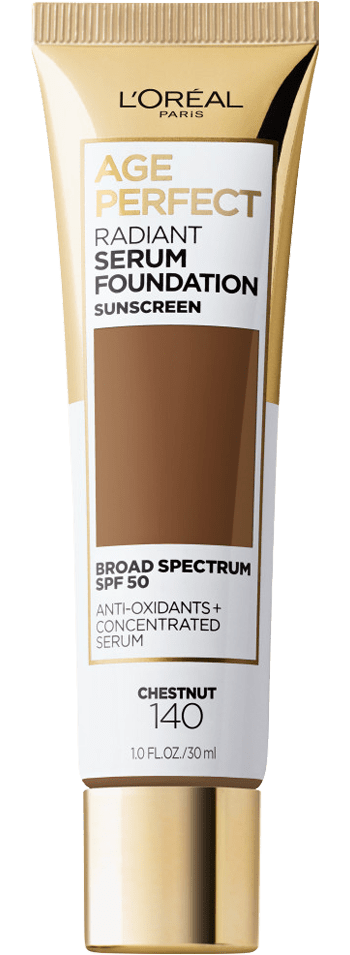
For SPF makeup, try the L’Oréal Paris Age Perfect Makeup Radiant Serum Foundation with SPF 50. A careful blend of makeup and skincare, this foundation provides radiant, even coverage while delivering deep hydration. Formulated with vitamin B3 and a hydrating serum, it is tailored for mature skin, won't settle into fine lines, and offers broad-spectrum SPF 50 sun protection. Dot it across your face and blend outward with a sponge or brush for a flawless finish.

While higher melanin levels provide some natural defense, all skin tones can experience cellular damage, hyperpigmentation, and skin cancer from UV exposure. Embracing the use of sunscreen daily keeps every complexion safe, even, and radiant.
Next Up: How to Layer Water-Based Sunscreen With Your Skincare
Photo courtesy of L’Oréal Paris

This site is intended for US consumers. Cookies and related technology are used for advertising. To learn more, or opt-out, visit AdChoices and our privacy policy.
Your Privacy Choices
 Notice at Collection