The Best Anti-Aging Creams for Every Skin Type and Concern
These must-try favorites smooth, soften, and hydrate like a dream.




The best anti-aging cream isn't one-size-fits-all. Finding the right formula depends on your specific skin concerns, whether you’re looking to target wrinkles, firmness, texture, dullness, discoloration, or dryness. Our editors’ top picks feature proven ingredients like retinol, vitamin C, and hyaluronic acid to help address the signs of aging effectively. Keep scrolling to find the best anti-aging cream for your skin concerns and unique needs.
Navigating the world of anti-aging skincare can often feel overwhelming, but finding the ideal formula comes down to understanding your skin type and your primary goals. If you have oily skin, we recommend opting for lightweight textures such as water creams or gels. Dry skin often requires richer, lipid-replenishing formulas, while sensitive skin types benefit from gentle, barrier-repairing options that soothe the skin while they work.
Once you’ve identified your skin type, we suggest focusing on your primary skin concern. Whether you are looking to firm sagging skin, brighten a dull complexion, or smooth deep wrinkles, there are effective skincare products that can help address these issues. For example, retinol is widely considered the gold standard for wrinkles, while vitamin C is unparalleled for adding a luminous glow to your complexion. By matching these proven ingredients to your specific needs, you can build a daily ritual that delivers visible, refined results.
| Product | Best For | Key Ingredients | Key Benefit |
|---|---|---|---|
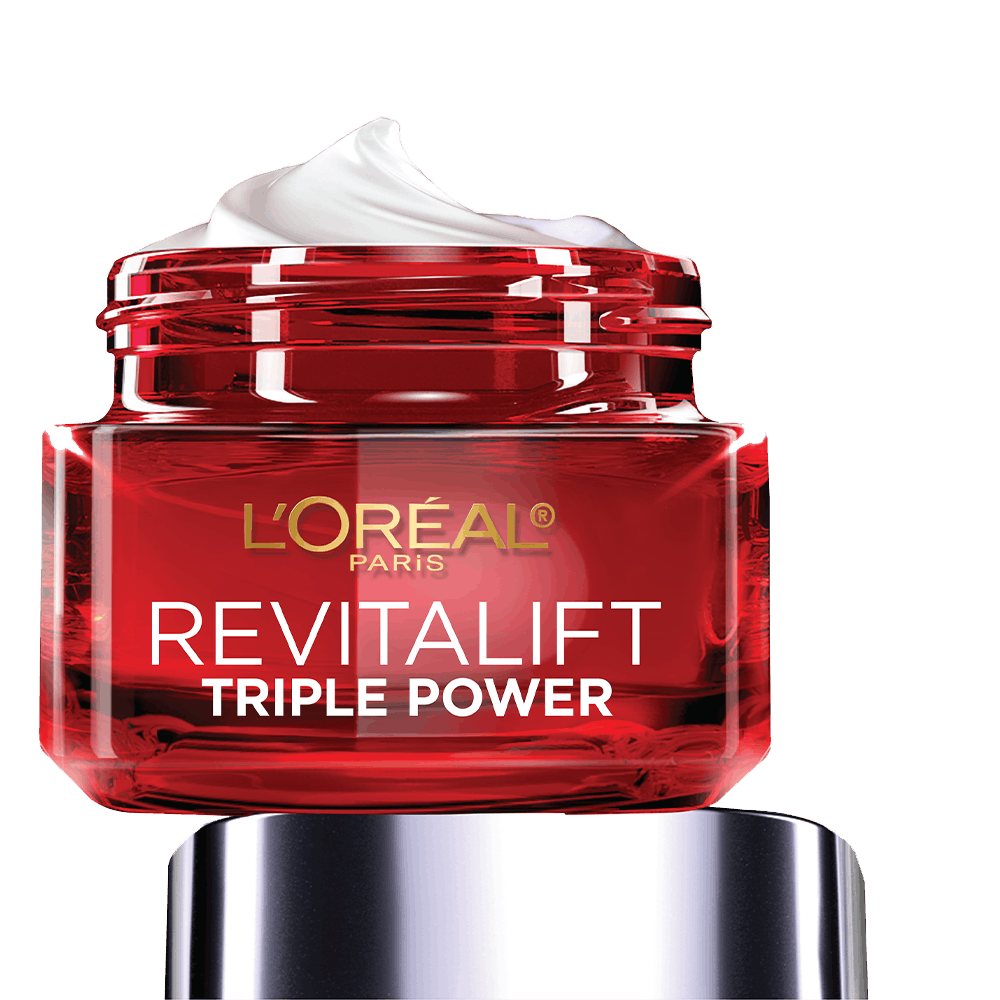
| L’Oréal Paris RevitaLift Triple Power Anti-Aging Moisturizer with SPF 30 | Wrinkles + Sun protection | Vitamin C, Pro-Retinol, Hyaluronic Acid, SPF 30 | Firms, smooths, brightens + protects with broad-spectrum SPF 30 |
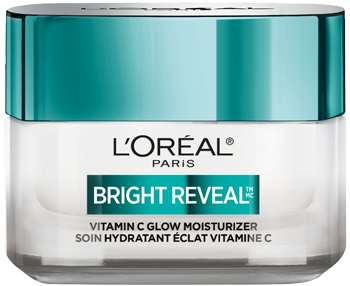
| L’Oréal Paris Bright Reveal Vitamin C Glow Moisturizer | Dull, lackluster skin | Vitamin C, Ceramides, Niacinamide | Brightens and evens; 72-hour hydration |
| L’Oréal Paris RevitaLift Triple Power Anti-Aging Moisturizer | Wrinkles | Hyaluronic Acid, Vitamin C, Pro-Retinol | Reduces wrinkles, firms in 1 week |
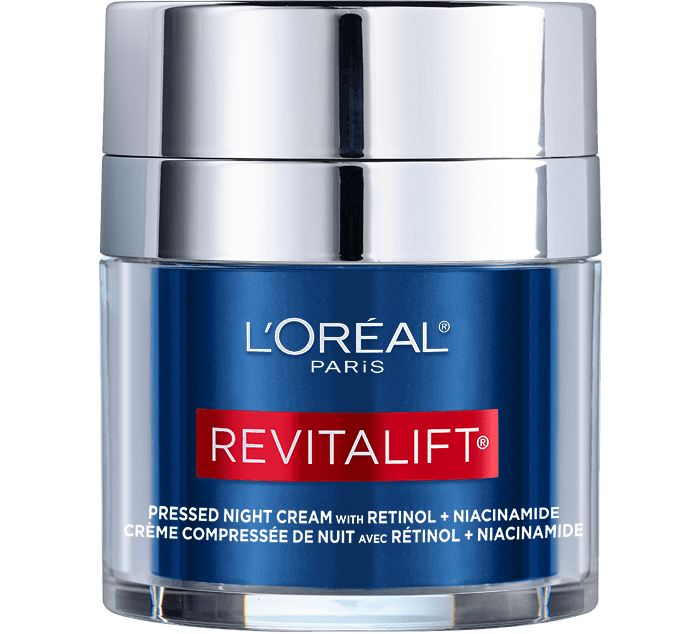
| L’Oréal Paris RevitaLift Pressed Night Moisturizer with Retinol + Niacinamide | Wrinkles (night) | Retinol, Niacinamide | Smooths and firms overnight |
| L’Oréal Paris Collagen Moisture Filler Anti-Aging Facial Moisturizer | Dry/dehydrated skin | Collagen | 48-hour hydration, non-comedogenic |
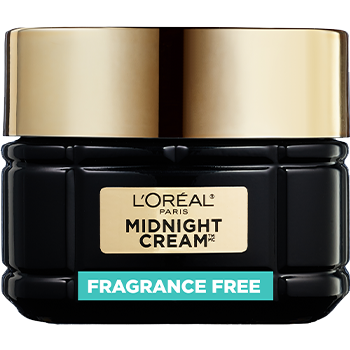
| L’Oréal Paris Age Perfect Skin Care Cell Renewal Midnight Cream | All skin types, especially sensitive skin | Patented antioxidant blend | Barrier repair, skin recovery, firming |
| L’Oréal Paris Age Perfect Skin Care Midnight Eye Opener | Eye area | Patented antioxidant blend | Smooths, brightens, and firms |
When scanning labels for the ideal anti-aging cream, we recommend keeping an eye out for these powerhouse ingredients:
In any complete skincare routine, sun protection is non-negotiable. According to studies cited by the National Center for Biotechnology Information (NCBI), UV exposure is responsible for up to 80% of visible facial aging. L’Oréal has done many studies on the effects of sun exposure on skin aging. To learn more, read:
Effect of the sun on visible clinical signs of aging in Caucasian skin;
For a powerful multitasking product that simplifies your morning, we recommend the L'Oréal Paris RevitaLift Triple Power Moisturizer with SPF 30. This formula blends pro-retinol with vitamin C and hyaluronic acid to visibly firm and brighten skin. It also contains broad-spectrum SPF 30 sunscreen. With experts recommending daily broad-spectrum sunscreen of SPF 15 or higher, it’s an easy one-step way to help protect against future signs of aging. Just keep in mind that for lasting sun protection, you should reapply your SPF every two hours (or after sweating or swimming).




When your face looks more “worked late” than “well-rested,” it’s time to dial up the glow. The best choice for restoring luminosity is the L’Oréal Paris Bright Reveal Vitamin C Glow Moisturizer.
Infused with vitamin C and niacinamide, this ultra-lightweight cream delivers immediate hydration while visibly awakening the look of your skin. It is meticulously formulated to refine uneven tone and texture, revealing a glowing, more youthful complexion in just one week. Consider it your go-to reset button for when your glow needs a comeback.

To confront those deep-set wrinkles that seem to have moved in permanently, a comprehensive approach is the only way forward. Rather than a single solution, look to a high-performance duo that works in tandem with your skin’s natural rhythm.
In the morning, smooth on L’Oréal Paris RevitaLift Triple Power Anti-Aging Moisturizer to simultaneously address wrinkles, laxity, and dullness. Follow up with sunscreen if you plan to be outdoors.
When the sun goes down, turn to the L’Oréal Paris RevitaLift Pressed Night Moisturizer with Retinol + Niacinamide. Retinol remains the undisputed gold standard for fighting wrinkles, and this advanced pressed formula pairs it with soothing ingredients to keep your skin comfortable. It’s rightly celebrated as one of the best anti-wrinkle creams for achieving profound visible results without the drama of dryness.

As we age, our skin's natural moisture inevitably takes a dip, leading to persistent dryness and a loss of youthful bounce. Our best collagen-infused solution for restoring this essential cushion is the L’Oréal Paris Collagen Moisture Filler Anti-Aging Facial Moisturizer.
This cult-favorite delivers a generous dose of hydration that lasts up to 48 hours, effectively helping to fill in lines caused by dehydration. It works to restore the skin’s natural resilience and is non-comedogenic, ensuring your pores remain clear while providing intense moisture. This is your go-to for skin that is feeling a bit more "desert" than "dewy." And if you’re sensitive, there’s also a fragrance-free version perfect for reactive skin types.


Managing age-related concerns without risking irritation can be tricky if you have sensitive skin. To target lines, wrinkles, and discoloration without irritating your skin, moisturize with the L’Oréal Paris Age Perfect Skin Care Cell Renewal Midnight Cream (or try the fragrance-free version).
This luxurious cream features a patented antioxidant recovery complex derived from bitter orange and vitamin E. It performs its best work at night, precisely when skin is most receptive to repair, to reinforce the skin's moisture barrier. Rigorously tested on sensitive skin, it works to reveal a multitude of new surface cells for a noticeably smoother look. We like to think of it as the ultimate peace treaty for a complexion that’s prone to overreacting—or as a gentle option perfect for all skin types.


The eye area is the ultimate multitasker of the face, taking part in every smile, squint, and skeptical eyebrow-raise. To pamper this oh-so-important focal point, look to the L’Oréal Paris Age Perfect Skin Care Midnight Eye Opener. This sophisticated formula is engineered to address eight signs of aging around the eyes, including crow's feet and the appearance of sagging on the lids. It boasts a lightweight, silky texture that sinks into the skin quickly, creating the optimal environment for eye-area recovery. Whether you’re layering it under your favorite concealer or letting it work its magic overnight, this luxurious cream helps ensure your eye area stays as expressive and vibrant as your personality.


Men typically have thicker skin than women, but they are just as prone to visible signs of aging, especially deep forehead lines. Your search for the best men’s forehead wrinkle cream doesn't have to be complicated— effectiveness comes down to high-performance ingredients, and those are the same regardless of your gender.
Any formula in this guide is suitable and effective for everyone. We suggest the L’Oréal Paris RevitaLift Triple Power Anti-Aging Moisturizer as a fantastic all-in-one wrinkle cream for any routine. It absorbs quickly without leaving a greasy residue and effectively tackles forehead wrinkles and texture. It’s the ultimate grooming asset for the man who values high-end results and the simplicity of a single multitasking product.
When searching for the best anti-aging moisturizer, you might notice the terms "cream" and "moisturizer" are often treated as synonyms, yet their textures differ significantly. Generally, creams have a thicker, richer texture with a higher lipid content, making them ideal for complexions that crave extra moisture and comfort. Moisturizer, on the other hand, is a broad term that can include lightweight lotions and fresh gels designed for daytime wear (or for those with oily skin).
The most exceptional anti-aging moisturizers are tireless multitaskers, providing deep hydration while delivering a concentrated dose of active ingredients to support the skin’s natural evolution. Here’s a quick breakdown of what to choose and when.
Quick Tip: If your primary focus is refining the look of wrinkles, opt for a retinol moisturizer. To address laxity or the appearance of looseness, turn to formulas featuring peptides or collagen. For a complexion that needs a boost of brilliance, vitamin C and glycolic acid are the way to go. Think of it as selecting the perfect outfit: Your moisturizer should always fit your skin's current mood and specific needs.
Layering your products in the correct order ensures that each product (and ingredient) can perform at its best without interference. Here is a simple routine to follow:
Editor’s tip: Retinol is a nocturnal hero. Formulas with retinol should be used primarily during your evening ritual, because sunlight can impact their efficacy. Because retinol works to reveal new surface cells, your skin will be more sensitive to the sun, so using a high-performance SPF the following morning is absolutely mandatory to protect your skin from damage.
In a world of instant gratification, skincare remains an exercise in patience. Even the most high-performance formulas must synchronize with your skin’s natural rhythm to reveal their full potential. While we all dream of an overnight miracle, true cellular change follows its own schedule.
According to the Cleveland Clinic, skin cells take about 28 days to turn over. This means that any anti-aging intervention is working on a biological timeline that cannot be rushed. Most products require consistent use for at least four weeks to show visible results, with significant improvements in wrinkles and tone appearing closer to the 12-week mark. Remember, good things take time (and a little consistency).
Beyond creams, your lifestyle plays a huge role in how your skin ages. While high-performance formulas are the cornerstone of any skincare routine, your skin is also a reflection of your daily habits. True beauty is a synergy between the products you apply and the choices you make away from the bathroom mirror. Here are some habits to follow to help keep your skin looking and feeling its best:
Next Up: How To Choose The Best Skincare for Aging Skin
Photo courtesy of L’Oréal Paris

This site is intended for US consumers. Cookies and related technology are used for advertising. To learn more, or opt-out, visit AdChoices and our privacy policy.
Your Privacy Choices
 Notice at Collection