5 Tips to Improve Skin Elasticity and Prevent Sagging Skin
From SPF to retinoids, here is how to protect your skin's natural bounce




Whether you are just starting your anti-aging journey or you are already a seasoned pro, understanding skin elasticity is really the first step to maintaining that youthful glow. To put it simply, skin elasticity is your skin’s ability to stretch and then snap right back to its original shape, which is what keeps your complexion looking firm and smooth.
Loss of this resilience often starts earlier than you might expect, typically in your 30s, and it is the main cause of concerns like sagging and wrinkles. By incorporating proactive strategies such as retinol benefits, peptides, and consistent sun protection, you can help support your skin for years to come.
Factors like your genetics, the environment, and even your daily habits all play a part in how your skin maintains its natural bounce. Below, you will find all the details you need to improve your skin's appearance and protect your glow for the future. Read ahead to discover how to keep your skin looking its best.



So, you know that skin elasticity is important, but what exactly is it? The Cleveland Clinic says skin elasticity is your skin’s ability to go back to its original state after being stretched. This is supported by two main proteins: collagen and elastin.
While we often focus on what we see on the surface, the real magic happens in the dermis where these fibers create a resilient, springy network. This is also known as viscoelasticity, which is how the skin can move and then return to its starting position.
As you age, your natural collagen production starts to slow down, so your skin begins to lose that essential snap-back quality. Understanding correctly what is skin elasticity will help you choose the right topical treatments to support these internal structures.
Think of collagen as the framework or the scaffolding of your skin that provides essential structure and strength. While collagen keeps things steady, elastin is the protein that provides the actual stretch and rebound, allowing your face to move and then settle back into place.
To support these two power players, look into vitamins for skin elasticity or use topical ingredients like collagen peptides for skin elasticity. These components work together to ensure your skin feels dense and springy rather than thin or fragile. Because both proteins are susceptible to damage from the environment, protecting them with sunscreen is just as important as trying to rebuild them.
Your skin elasticity plays a role in three major skin concerns that most of us eventually face. The relationship between collagen breakdown and skin laxity is the primary reason we see changes in our reflection as the years pass.
As you know now, as you get older, your skin’s elasticity starts to lessen, beginning with collagen declining in your late 20s. According to Cleveland Clinic, usually, as people reach their 30s and 40s, their skin will begin losing its elasticity. This does not happen all at once when you hit a milestone birthday, but rather gradually over time. While the process is natural, sun exposure and certain lifestyle factors can speed up the decline significantly.
Here is a quick look at the typical timeline:
Now that you know how age factors into skin elasticity, you are probably wondering if there is a way to tell whether you have good or depleted levels. There is a simple test known as the “pinch test” that you may see recommended to judge how well your skin is holding up. Gently pinch the skin under your eyes, then see how quickly it bounces back. The idea is that the quicker it returns to its normal state, the more elastic your skin is. However, these at-home tests have their limitations and cannot replace a trip to the dermatologist.
Other common signs of decreased elasticity include:
We are sure you are ready to keep your skin's elasticity in check, now that you know all the ways it can affect your skin's appearance. Here are 5 ways we have identified to help improve skin elasticity:
Exposure to ultraviolet radiation breaks down your skin's connective tissue, specifically collagen and elastin fibers, which speeds up the aging process. This breakdown causes the skin to sag and lose its ability to snap back after stretching. Applying sunscreen to your face and body is the most important preventive step you can take.
To protect your skin daily, use the L’Oréal Paris Revitalift Triple Power Moisturizer SPF 30. This is a lightweight, anti-aging moisturizer that contains Pro-Retinol, vitamin C, and hyaluronic acid to visibly reduce wrinkles and firm the skin while providing broad-spectrum protection. You should apply it as the last step in your morning routine and reapply every two hours if you are outdoors. This lotion is a great multitasker because it hydrates while it protects. It is also essential to take other sun protection tips, as recommended by the United States Food & Drug Administration, including limiting time in the sun and wearing protective accessories.


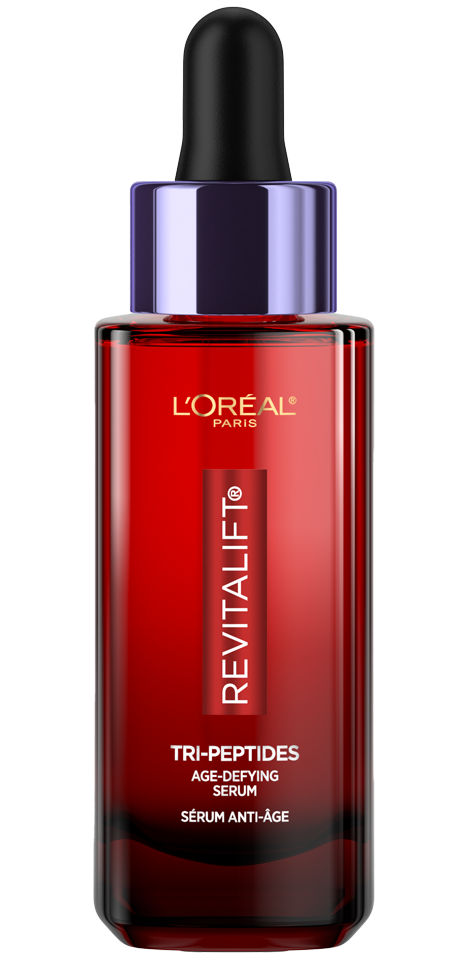
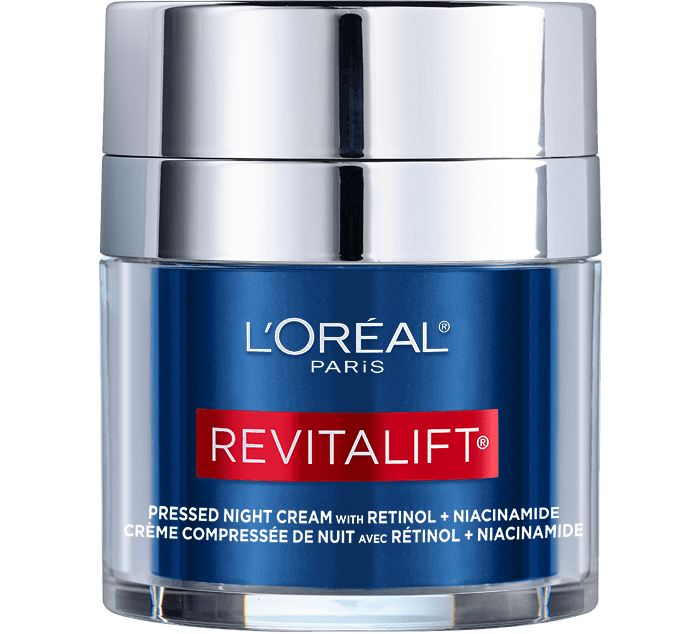
While the American Academy of Dermatology suggests that creams and lotions have a subtle effect on sagging, specific ingredients can make a real difference. If you are looking for a moisturizer for skin elasticity, look for formulas with retinoids and peptides.


If you want to know how to increase skin elasticity more rapidly, professional treatments might be the answer. These options typically work by creating controlled micro-injuries to stimulate the body's natural healing response and collagen production. Treatment options such as microneedling, which involves tiny needles poking holes in the skin, could help increase collagen production and improve skin elasticity, per a study from the National Center for Biotechnology Information.
Other options include laser therapy to target deeper dermal layers and chemical peels to refresh the surface. These procedures require a consultation with a dermatologist to determine which is right for your specific skin needs.
Learning how to regain elasticity in skin often starts with your everyday lifestyle. Deep sleep, consistent hydration, and a diet filled with antioxidant-rich foods can provide the building blocks your skin needs to thrive. Focus on vitamin C foods like citrus and berries, leafy greens, and healthy fats like avocado or salmon. It is also vital to avoid smoking, as it is one of the fastest ways to deplete your collagen stores. Taking a holistic approach helps your topical products work even better than they would on their own.
Facial massage is a great way to increase circulation and bring fresh blood flow to the surface of your skin. You can use your fingertips or tools like a gua sha or facial roller to gently move across the contours of your face. While these tools are a supportive habit rather than a replacement for professional skincare, they can help temporarily depuff and give the skin a more revitalized look. Incorporating this into your nighttime skincare routine is a relaxing way to end your day and pamper yourself.
Sun exposure is the leading cause of premature aging. UV rays penetrate deep into the dermis and directly destroy the fibers responsible for keeping your skin tight and youthful. Protecting yourself with SPF every single day is the most effective way to prevent the loss of skin elasticity.
A combination of SPF, retinoids, and peptides is the gold standard for topical care. When paired with a healthy lifestyle and professional treatments if needed, these interventions provide the best results for maintaining a firm complexion. You might also consider collagen peptides for skin elasticity to support your body from the inside out.
Improvement is possible, but it depends on your age, lifestyle, and the treatments you choose. While you may not return to the exact skin you had in your teens, you can certainly improve the look of sagging and wrinkles through consistent care. Understanding what helps skin elasticity and staying diligent with your routine can lead to visible improvements over time.
Next Up: How To Firm Sagging Skin After Weight Loss
Photo courtesy of L’Oréal Paris

This site is intended for US consumers. Cookies and related technology are used for advertising. To learn more, or opt-out, visit AdChoices and our privacy policy.
Your Privacy Choices
 Notice at Collection