

The Best Shampoos for Damaged Hair: Picks for Every Hair Type
Plus, details on how to avoid damage.
DISCOVER OUR NEW ARRIVALS. SHOP NOW




Overview
Finding the best shampoo for damaged hair isn’t one-size-fits-all—it depends on your hair type, level of damage, and specific concerns like dryness, breakage, or color treatment. The right formula should gently cleanse while helping restore strength, smoothness, and moisture without stripping your strands. Whether your hair is fine and fragile or thick and overprocessed, choosing a targeted shampoo can make a noticeable difference in how your hair looks and feels over time.
When your hair feels rough, breaks easily, or looks dull, it’s often a sign of damage—and in those cases, not just any shampoo will do. Instead, it’s best to reach for a hair repair shampoo designed to target your specific concerns. That’s because today’s shampoos go beyond basic cleansing. In fact, many are formulated to help strengthen, smooth, and restore a healthier-looking appearance to fragile, damaged strands.
Below, we’ve rounded up the best shampoos for damaged hair, with tailored picks for curly, fine, dry, color-treated, bleach-damaged, heat-damaged, and more. Each recommendation is ingredient-driven, easy to shop, and developed with insights from L’Oréal Paris Haircare Science.
Hair damage typically results from repeated stress on the hair fiber, whether from styling habits, chemical exposure, or environmental factors. Here are the most common causes to be aware of:
In many cases, it’s easy to spot when your hair is damaged—you might notice split ends, excessive breakage when brushing, or strands that feel dry and hard to manage. But damage isn’t always that obvious. It can also show up in more subtle changes to your hair’s texture, appearance, and behavior over time.
You may be dealing with damaged hair if you notice:
Not all damage looks—or behaves—the same, which means the best shampoo for damaged hair depends on a few key factors. From your hair type to the source of damage and the ingredients in your formula, here’s how to narrow it down.
Your natural hair type and texture play a big role in how a shampoo performs. Fine hair tends to need lightweight, strengthening formulas that won’t weigh it down or leave behind residue, while thicker hair often benefits from richer, more nourishing shampoos that help improve softness and manageability. If you have curly or coily hair, look for hydrating, gentle cleansers that support your natural pattern and help minimize dryness. For straight hair, balanced formulas that cleanse effectively without over-stripping are key to maintaining shine and smooth movement.
The cause of your damage should guide your shampoo choice. Bleach-damaged hair typically needs bond-repairing or strengthening formulas to help reinforce weakened strands, while color-treated hair benefits from color-safe shampoos that help preserve vibrancy and prevent fading. If your damage is heat-related, opt for reparative formulas with conditioning ingredients that restore moisture and flexibility. For dryness or dehydration, focus on shampoos designed to replenish moisture and improve overall softness.
The right ingredients can help support healthier-looking hair over time. Here are a few heavy-hitters to look out for:
Sulfate-free shampoos aren’t always necessary, but they can be beneficial in certain cases. If your hair is color-treated, very dry, or chemically processed, a sulfate-free formula can help cleanse more gently and minimize further moisture loss. However, if you use a lot of styling products or have an oily scalp, you may still benefit from occasional use of a more clarifying cleanser to remove buildup.
| Hair Concern | Recommended Shampoo | Key Benefit | Key Ingredients |
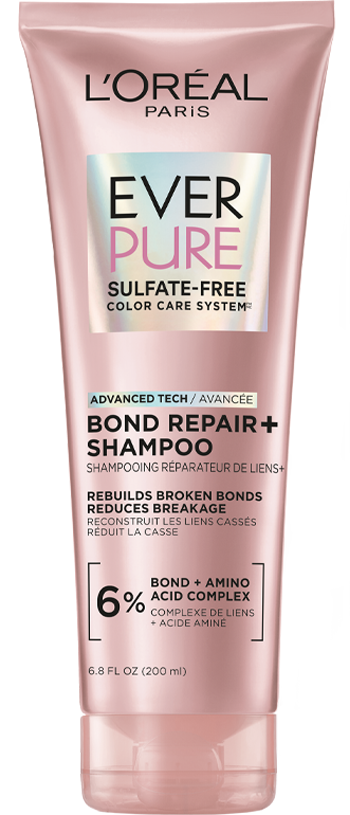
| Damaged Hair | L’Oréal Paris EverPure Sulfate-Free Bond Repair+ Shampoo | Reinforces weakened bonds; gentle and color-safe | Bond + Amino Acid Complex |
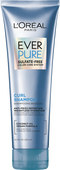
| Damaged Curly Hair | L’Oréal Paris EverPure Sulfate-Free Curl Shampoo | Quenches dry hair and defines curls | Coconut oil |
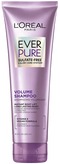
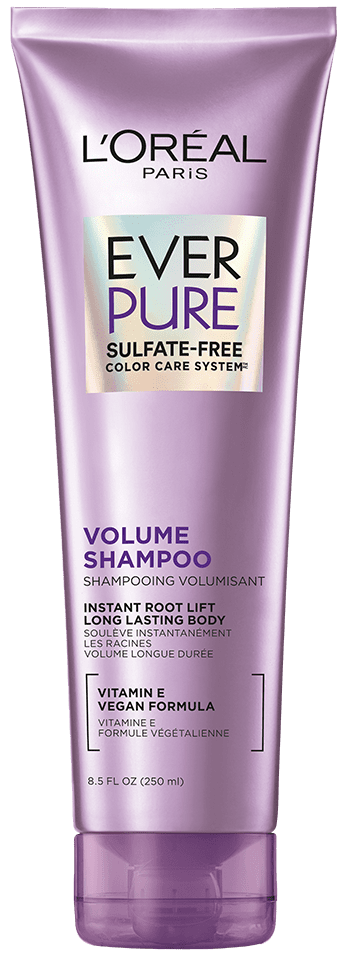
| Fine Damaged Hair | L’Oréal Paris EverPure Sulfate-Free Volume Shampoo | Lightweight hydration and fullness without weighing hair down | Lotus flower |
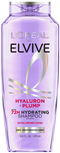
| Dry Damaged Hair | L’Oréal Paris Elvive Hyaluron + Plump Hydrating Shampoo | Adds bounce and softness to dry, brittle strands | Hyaluronic acid |
| Color-Treated Damaged Hair | L’Oréal Paris EverPure Sulfate-Free Bond Repair+ Shampoo | Preserves color while rebuilding strength | Bond + Amino Acid Complex |
| Bleach-Damaged Hair | L’Oréal Paris EverPure Sulfate-Free Bond Repair+ Shampoo | Smooths cuticle; supports internal bonds | Bond + Amino Acid Complex |
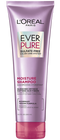
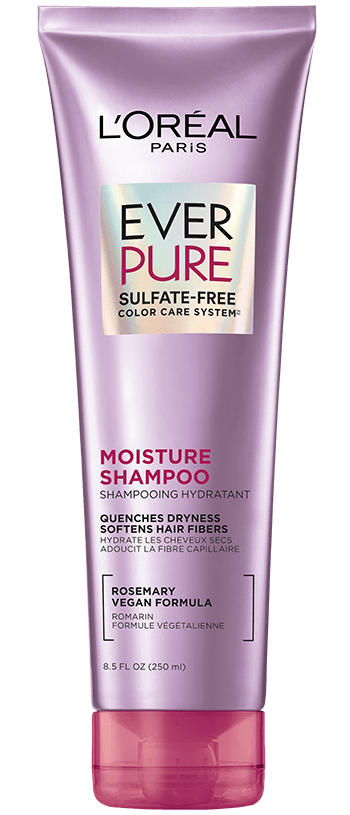
| Heat-Damaged Hair | L’Oréal Paris EverPure Sulfate-Free Moisture Shampoo | Replenishes dry, damaged hair; boosts shine | Rosemary extract |
| Bond Repair for Damaged Hair | L’Oréal Paris EverPure Sulfate-Free Bond Repair+ Shampoo | Targeted bond support, sulfate-free | Bond + Amino Acid Complex |
| Sulfate-Free | L’Oréal Paris EverPure Sulfate-Free Bond Repair+ Shampoo | pH-balanced, gentle on color | Bond + Amino Acid Complex |
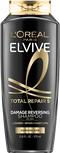
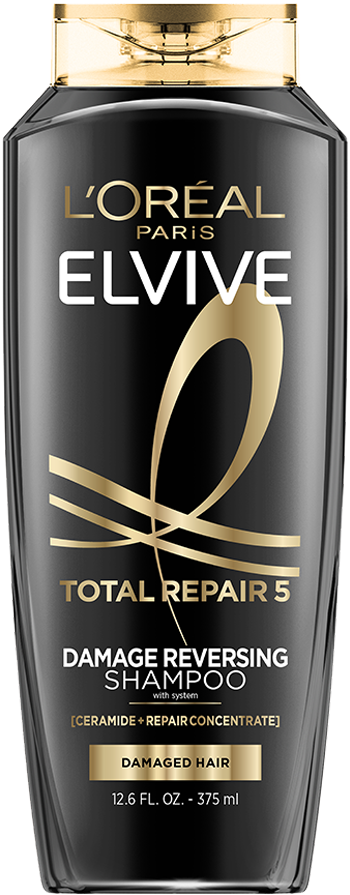
| Drugstore Favorite | L’Oréal Paris Elvive Total Repair 5 Repairing Shampoo | Affordable daily repair option available at most drugstores | Ceramides, repair concentrate with protein |
| Best all around | L’Oréal Paris EverPure Sulfate-Free Bond Repair+ Shampoo | Suitable for all types of damaged hair | Bond + Amino Acid Complex |
Each formula targets a specific cause of damage—choose the one that fits your hair type, color history, and styling habits.
If you want the best shampoo for damaged hair, start with the L’Oréal Paris EverPure Sulfate-Free Bond Repair+ Shampoo. It gently cleanses while supporting weakened hair bonds so strands feel stronger, smoother, and more resilient. It’s safe for color-treated hair and works across multiple types of damage, from heat to bleach.


Also consider: The L’Oréal Paris Elvive Total Repair 5 Repairing Shampoo if you prefer a classic >Good to know: Pairing your shampoo with a matching conditioner and a weekly pre- or post-wash treatment boosts results.

For the best shampoo for damaged curly hair, choose the L’Oréal Paris EverPure Sulfate-Free Curl Shampoo. It lifts away buildup without stripping, helps maintain curl definition, and leaves hair soft and hydrated so curls spring back more easily.
Also consider: The L’Oréal Paris EverPure Sulfate-Free Bond Repair+ Shampoo if your curls are also color-treated or lightened and need bond-focused care.
FAQ bite: Can I wash curls daily if they’re damaged? Aim for fewer wash days and add conditioner (at the ends) to refresh your mane between washes.


The best shampoo for damaged fine hair is the L’Oréal Paris EverPure Sulfate-Free Volume Shampoo. It delivers feather-light hydration so hair looks fuller, not flat, while helping to improve softness, shine, and manageability.
Also consider: The L’Oréal Paris EverPure Sulfate-Free Bond Repair+ Shampoo if your fine hair is color-treated and needs extra bond care without heaviness.
Pro tip: Apply your conditioner from the mid-length to the ends only and use a light leave-in to avoid weighing hair down.

For dry, damaged hair, use the L’Oréal Paris Elvive Hyaluron + Plump Hydrating Shampoo. It helps replenish moisture so hair feels smoother and more elastic after each wash.
Also consider: The L’Oréal Paris Elvive Total Repair 5 Repairing Shampoo if you want a repair-plus-softness routine you can build out with masks and leave-ins.
FAQ bite: Should I double-cleanse? Only if there’s heavy product buildup; otherwise, a single gentle cleanse is enough.


The best shampoo for color-treated damaged hair is the L’Oréal Paris EverPure Sulfate-Free Bond Repair+ Shampoo. It’s sulfate-free and designed to help protect color while supporting hair’s internal structure for less breakage.
Also consider: The L’Oréal Paris EverPure Sulfate-Free Moisture Shampoo if your main concern is dryness between color services.
Pro tip: Rinse with lukewarm (not hot) water to help minimize color fade.

For bleach-damaged hair, choose the L’Oréal Paris EverPure Sulfate-Free Bond Repair+ Shampoo. Lightening can weaken your hair’s internal bonds; this gentle cleanser supports bond care so hair feels stronger and looks shinier over time.
Also consider: The L’Oréal Paris Elvive Total Repair 5 Repairing Shampoo if you want a budget-friendly routine with easy add-ons like masks.
FAQ bite: How fast will I see results? You’ll feel immediate softness; strength and smoothness improve with consistent use.
The best shampoo for heat-damaged hair is the L’Oréal Paris EverPure Sulfate-Free Moisture Shampoo. It provides intense hydration and helps soften the hair while boosting shine.
Also consider: The L’Oréal Paris EverPure Sulfate-Free Bond Repair+ Shampoo if you also color your hair and want sulfate-free, bond-supportive care.
Pro tip: Always apply a heat protectant before blow-drying or heat-styling your hair to help protect against damage.
The best bond-repair shampoo for damaged hair is the L’Oréal Paris EverPure Sulfate-Free Bond Repair+ Shampoo. It’s a gentle, sulfate-free cleanser designed to support weakened bonds—ideal for hair compromised by color, bleach, or heat.
Also consider: The L’Oréal Paris EverPure Sulfate-Free Bond Repair+ Pre-Shampoo Treatment as a weekly add-on to intensify your repair routine (use before shampoo).
The best sulfate-free shampoo for damaged hair is the L’Oréal Paris EverPure Sulfate-Free Bond Repair+ Shampoo. It cleans without harshness, supports bond care, and helps keep color looking fresh.
Also consider: The L’Oréal Paris EverPure Sulfate-Free Moisture Shampoo if your primary concern is softness and hydration.
Good to know: Sulfate-free formulas can foam less; cleanse thoroughly and rinse well.
For a drugstore-friendly repair routine, start with the L’Oréal Paris Elvive Total Repair 5 Repairing Shampoo. It’s an accessible pick that leaves hair feeling stronger and smoother with consistent use.
Also consider: The L’Oréal Paris Elvive Hyaluron + Plump Hydrating Shampoo if dryness and dullness are your main concerns.
Pro tip: Add a weekly mask to boost slip and reduce snag-related breakage.
When you’re hunting for the best shampoo (and conditioner)for damaged hair, the ingredient list matters just as much as the label claims. While no shampoo can permanently “undo” damage, certain ingredients can help reinforce weakened strands, smooth the hair’s surface, and improve how your hair looks and feels over time. Here’s what to look for—and what each one actually does:
Understanding these ingredients can help you choose a shampoo that aligns with your specific damage concerns—whether you need strength, moisture, smoothness, or all of the above.
Whether you’re looking for a shampoo for split ends, a hydrating formula to quench thirsty strands, or a strengthening shampoo for hair breakage, the L’Oréal Paris EverPure Sulfate-Free Bond Repair+ Shampoo is an excellent choice. This is our best shampoo to buy for damaged hair if you need one do-it-all pick that’s gentle, color-safe, and bond-supportive.
Yes. Bond-repair formulas like the L’Oréal Paris EverPure Sulfate-Free Bond Repair+ Shampoo are gentle enough for daily use and help maintain strength and softness over time.
The L’Oréal Paris EverPure Sulfate-Free Bond Repair+ Shampoo is sulfate-free and designed to protect color while reinforcing weakened hair bonds.
Bond-repair shampoos target internal hair bonds to improve strength and resilience, while protein-rich formulas (like the L’Oréal Paris Elvive Total Repair 5 Repairing Shampoo) focus on surface damage and smoothness. Both can be used together.
Most people feel improved softness after the first use, but visible strength and shine typically improve with consistent use over several washes.
Yes—modern sulfate-free cleansers, like the L’Oréal Paris EverPure Sulfate-Free Bond Repair+ Shampoo, effectively remove buildup while remaining gentle on fragile, color-treated strands.
Next Up: The Best Products for Damaged Hair
Photo courtesy of L’Oréal Paris
This site is intended for US consumers. Cookies and related technology are used for advertising. To learn more, or opt-out, visit AdChoices and our privacy policy.
Your Privacy Choices
 Notice at Collection