What Is the Hair Cuticle and What Does It Do?
Healthy-looking strands rely on a strong, intact cuticle.




Washing and conditioning your hair are key steps in any routine, but if that’s where your care stops, your strands may not reach their full potential. Surrounding each strand is the hair cuticle, a protective outer layer that shields the strand from damage. This barrier helps lock in moisture and maintain smoothness, but it can weaken when exposed to heat, chemical treatments, or environmental stressors. And once the cuticle is compromised, issues like frizz, dryness, and dullness often follow.
The good news is that the right haircare routine—one customized to your hair type, styling habits, and needs—can help protect your hair cuticle and keep your hair looking and feeling its best. Keep reading to learn exactly what the hair cuticle does, what can cause it to weaken, and how to keep your hair strong, shiny, and resilient.




Before we explain the ins and outs of the hair cuticle, you must understand the anatomy of the hair as a whole. According to the National Center for Biotechnology Information (NCBI), each strand of hair consists of two distinct layers: the cortex and the cuticle. The cortex is the main body of your strand and is responsible for giving your hair its color, thickness, and texture. Surrounding that is the cuticle, a thin, protective outer layer that helps shield the cortex from damage. Some hair also has an innermost layer called the medulla, though this strong inner core is only present in thick and coarse hair types. Together, these two (or three) layers make up the hair shaft.
As mentioned, the hair cuticle is the outermost layer of the hair, responsible for protecting the inner cortex (and, sometimes, the medulla) from damage. Structurally, it consists of overlapping keratin cells arranged like fish scales. As explained in a study published in the International Journal of Trichology, these scales typically lie flat against one another, keeping moisture in and external stressors (like harsh chemicals) out. Certain stressors, however, can cause the scales to lift, which allows moisture to escape. The more they lift, the more likely you are to notice signs of damage, such as frizziness, dryness, dullness, and tangling. An open hair cuticle may also make your hair more porous and less able to retain moisture, even with regular conditioning.
In healthy hair, the cuticle naturally has a slightly acidic pH. This acidity helps keep the cuticle sealed, locking in moisture and leaving hair smooth, soft, and shiny. When the hair’s pH becomes unbalanced—often from chemical treatments, heat styling, or harsh hair-care practices—the cuticle can weaken. A damaged hair cuticle often corresponds with visible concerns such as frizz, roughness, and dullness. Your hair may also become fragile and more prone to breakage and split ends. Ahead, we’ll explain what can damage the hair cuticle and share tips on keeping your hair smooth, strong, and healthy-looking.
Several things can cause (or contribute to) a damaged hair cuticle. If you’ve ever wondered what causes hair cuticles to open, these are a few of the most common culprits:
Shine, smoothness, and manageability are all telltale signs that your hair’s cuticles are in good shape. If your hair appears rough and dull or feels difficult to manage, you may need to adjust your routine. Keep in mind that while you can’t repair a damaged cuticle entirely, the right habits can help smooth your hair and protect against future damage. Here are a few tips to help support a healthier hair cuticle:
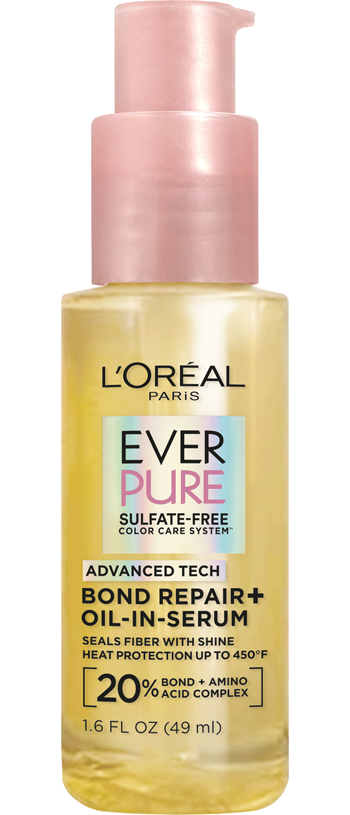
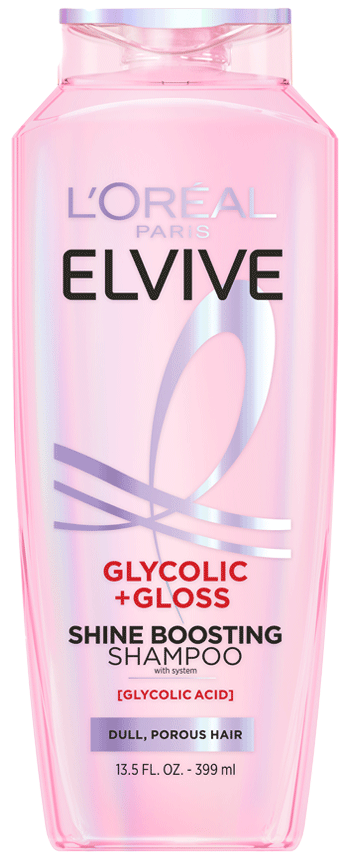
While completely reversing damage isn’t possible, certain products can temporarily seal the hair cuticles to give your hair a shinier, smoother, and sleeker appearance. Here’s a simple routine for glossy, healthy-looking hair.
You don’t need to shampoo every day to keep your hair healthy and shiny. But when it is time to wash, reach for an acidic shampoo like the L’Oréal Paris EverPure Sulfate-Free Glossing Shampoo. This gentle formula features a 2% glossing complex with glycolic acid to help remove buildup and excess oil while boosting shine. It’s also sulfate-free and color-safe, making it a great option for dyed or chemically treated hair. Follow with the L’Oréal Paris EverPure Sulfate-Free Glossing Conditioner to replenish moisture and leave your strands feeling soft, smooth, and silky.

After shampooing and conditioning, rinse your hair thoroughly with lukewarm water and gently squeeze out excess moisture. Then, apply a generous amount of L’Oréal Paris EverPure Sulfate-Free Glossing 5-Min Lamination Hair Mask from mid-lengths to ends. The concentrated formula, infused with a 17% glossing complex, helps smooth and repair damaged hair while sealing the hair fibers to lock in shine and softness. Leave it on for about five minutes, then rinse well with lukewarm water for a silky, glassy finish that lasts up to five days.

If you plan to blow-dry or heat-style your hair, always start with a heat protectant to shield your strands from damage. After gently blotting out excess moisture with a towel, spritz the L’Oréal Paris EverPure 21-in-1 Leave-In Conditioner evenly from roots to ends. This lightweight formula helps protect and strengthen the hair while adding a smooth, glossy finish. For even distribution, detangle with a wide-tooth comb, working from the ends upward until your hair is completely smooth and knot-free.
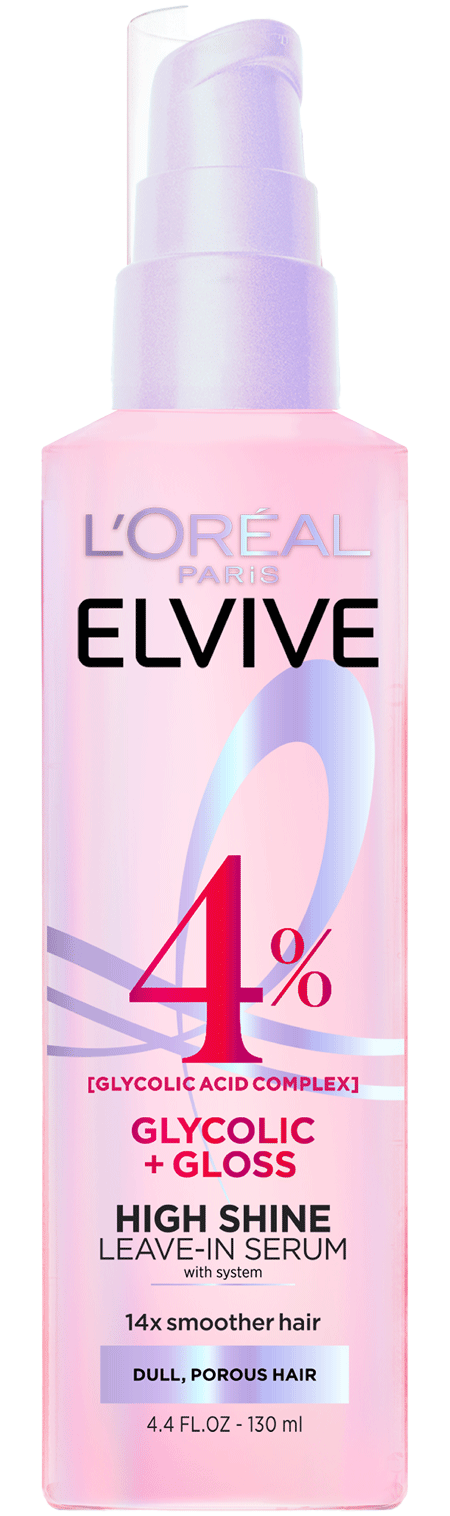
Once you’ve finished styling, complete your routine with a shine-boosting leave-in to enhance glossiness and seal the hair fibers for a smooth, reflective finish. We love the L’Oréal Paris Elvive Glycolic + Gloss High Shine Leave-In Serum—it’s formulated with a 4% glycolic acid complex that helps laminate the hair cuticle, leaving your strands with intense, long-lasting shine.


Next Up: How To Use Conditioner for Hydrated, Healthy-Looking Hair
Photo courtesy of L’Oréal Paris

This site is intended for US consumers. Cookies and related technology are used for advertising. To learn more, or opt-out, visit AdChoices and our privacy policy.
Your Privacy Choices
 Notice at Collection