How To Make the Butterfly Cut Work for Your Hair Type and Texture
Our top tips and tricks for styling this layered look.



The layered butterfly cut has remained a favorite amongst hairstylists for years, and for good reason—it’s versatile, flattering, and surprisingly low-maintenance. With soft, fluttery layers placed strategically throughout the hair, the butterfly cut gives you the best of both worlds: enviable volume and movement without the need to sacrifice your lengths. Plus, it works for everyone—whether you’re rocking fine, straight strands or have coarse, curly locks, the butterfly layers haircut can be tailored to fit your hair type and goals. Below, we’re breaking down everything you need to know about the butterfly haircut, including what it is, how to ask for it, and tips on styling the cool-girl cut at home.


The butterfly haircut is a wispy, layered style that pairs short face-framing layers with longer layers placed throughout the rest of the hair. This layering technique creates a weightless, feathery effect that adds movement and volume, especially at the crown and around the face. Think of it like having two haircuts in one: the shorter butterfly layers frame your face and create soft volume, while the longer layers provide movement while keeping your length intact.
Though the cut has become increasingly popular in recent years thanks to its versatility (and how easy it is to style), it’s far from new. In fact, the modern butterfly cut can be traced back to the ‘70s, when airy, layered haircuts that emphasized volume and movement first gained mainstream popularity.
There are many different types of layered haircuts, and the butterfly cut is just one of them. A traditional layered haircut typically features even layers “stacked” throughout the hair to give the hair structure and shape. A butterfly haircut, on the other hand, has more dramatic, disconnected layering with shorter pieces around the face that mimic long curtain bangs or fringe. The result is a more dynamic, bouncy cut with plenty of natural-looking volume.
The wolf cut and the butterfly cut are both layered haircuts, but they couldn’t be more different. The wolf cut is edgy and shaggy, often paired with a heavy fringe and tons of choppy layers. It's great for creating volume and has a distinct rock-and-roll vibe. The butterfly hairstyle, meanwhile, is soft, polished, and subtle. The layers are feathered rather than choppy, which gives the hair body and bounce without the messy feel of a wolf cut or shag.
The butterfly cut and the octopus cut are both layered styles, but they create very different shapes. The butterfly haircut is soft and airy, with shorter, face-framing layers that mimic the look of shorter hair in the front while keeping length through the back. The layers are blended and feathered to create movement and bounce without sacrificing fullness. The octopus cut, meanwhile, is much more dramatic and sculptural. It features a rounded, voluminous crown with longer, tentacle-like pieces that extend past the shoulders, creating a strong contrast between the top and the ends. While the butterfly cut feels polished and minimalist, the octopus cut leans more edgy and statement-making.
One reason the butterfly cut has become so popular is its adaptability. It works for nearly all hair types and textures, from thin, straight hair to thicker, more textured strands. That being said, the best variation on the cut depends on your unique features.
As mentioned, the butterfly cut can work for nearly any hair type, from straight to curly:
Straight hair: If your pin-straight strands tend to fall flat, a textured butterfly cut can help add much-needed lift and dimension while keeping the overall length intact.
Wavy hair: The soft, fluid layers of a butterfly haircut can help remove bulk from your waves and emphasize your natural wave pattern.
Curly hair: The cut can help remove excess weight and allow curls to spring up more freely, making your natural pattern more visible and defined. Just keep in mind that curls tend to shrink as they dry, so working with a stylist who understands shrinkage and curl pattern placement is key to ensuring the layers fall exactly where you want them.
The butterfly hairstyle is ideal for those with thick hair, as the layers help to remove bulk that can make your hair look heavy or fall flat. If your hair is thick at the ends, consider pairing your butterfly cut with hidden layers to remove weight without visually affecting your hair’s length or shape.
Too many layers can make strands look sparse, so a softer version of the cut is usually best for those with fine hair. Instead of heavy all-over layering, ask your stylist to pair face-framing curtain bangs with a blunt or minimally layered cut to help fake the appearance of thicker hair. The pro is fuller-looking ends and added movement around the face, while the con is that you may not get the dramatic, airy layering effect seen on thicker hair types.
Editor’s tip: If you’re deciding between a classic layered cut and a butterfly cut, the main difference comes down to structure. Traditional layers are typically distributed throughout the hair, while a butterfly cut concentrates shorter layers around the face with longer layers underneath to preserve length. Internal layering is preferable when you want to remove bulk from thick hair without changing the perimeter, while blunt ends are better for finer hair that benefits from a denser, fuller-looking finish.
The butterfly haircut, with its combination of short and long layers, typically looks best on hair that is shoulder-length or longer. That said, if you want a short butterfly haircut, it’s totally possible—however, these styles tend to rely more heavily on face-framing layers (or even fringe) to maintain the cut’s characteristic body and movement. Those with medium-length hair typically fare best with a combination of short and longer layers, while those with long strands may want to start their layers a bit further down—around the chin—to maintain a flowy, fluid style.
In addition to your hair type, length, and texture, your face shape can help determine the most flattering variation of a butterfly haircut for you. If you have rounder features, consider asking your stylist to start the layers around your cheekbone—this will help to draw the eye upward and visually elongate your features. For those with more angular faces (think heart-shaped or diamond-shaped), longer, softer layers that begin around chin length are ideal. And if you have a long face, consider pairing your cut with curtain bangs or side-swept fringe to help balance out your features.
Most stylists will know what a butterfly cut refers to, but mentioning you want that signature “winged” effect that flutters like butterfly wings can be helpful. You can also use terms like “soft curtain fringe” and “internal layering” to clarify the look.
When discussing the cut with your stylist, it can help to keep a few key details in mind:
One thing to avoid: if you have fine hair, steer clear of asking for overly razored ends, which can make the layers look wispy and thin rather than full and bouncy. And don’t forget to bring reference photos. Because haircut terminology can vary from stylist to stylist, visual examples are the best way to make sure you’re both envisioning the same final look.
If you need a little inspiration before you hit the salon, here are some of our favorite variations on the butterfly cut worth looking into.
For this style, hair hits above the shoulders, creating a lighter, more playful take on the butterfly cut. It’s a great option if you’re looking for a low-maintenance yet lively look. The shorter layers bring bounce and body, while also helping to remove excess weight from thick hair so it feels easier to manage day to day. This version works especially well for those who want the signature movement of a butterfly cut without committing to longer lengths.
Perfect for collarbone to armpit-length hair, this variation offers an effortless, breezy look ideal for anyone wanting a touch of polish with minimal effort. The cut creates movement while keeping your styling routine easy and flexible. One underrated benefit of this length is that it's long enough to experiment with updos and clips, yet short enough to air-dry quickly and still maintain its shape. Compared to longer styles, it also tends to feel lighter and requires less time to wash, dry, and style.
The butterfly cut truly shines on long hair, as the fluid layers help to remove bulk while giving your mane bounce and movement. This length is also the most common—and often the most forgiving—version of the cut, since the extra length allows the layered “butterfly wing” shape to blend seamlessly while leaving plenty of room for adjustments. Plus, with long layers cut throughout your lengths, washing, detangling, and styling may take less time than with a blunt cut. Consider that a win-win.
A butterfly cut can be especially flattering for straight hair, which can sometimes appear flat or heavy when worn in a blunt style. The layered structure adds movement and dimension, helping the hair look fuller and more dynamic without sacrificing overall length. Shorter, face-framing layers create lift around the crown and cheekbones, while the longer layers underneath keep the style looking sleek and polished. The result is a shape that gives straight hair more bounce and body while still maintaining its naturally smooth finish.
A butterfly cut for curly hair can beautifully enhance your natural texture. The face-framing layers help prevent bulk and encourage well-defined curl clumps, giving your hair a more sculpted shape with less frizz. Removing excess weight also allows your curl pattern to spring up and become more visible, creating a lighter, bouncier look overall. Because layered cuts can expose more of your natural texture, prioritizing frizz control with the right prep and styling products is key to keeping the look polished.
Add romantic flair with airy bangs that blend into your top layers. These will soften the overall shape of the haircut and create a flattering frame that draws attention to the eyes and cheekbones. The length of the bangs can be customized depending on the look you want—shorter pieces that hit around the cheekbones create a lighter, more lifted effect, while longer bangs that graze the chin feel softer and more blended with the rest of the layers. This variation tends to work well for a range of face shapes: it can help balance wider foreheads, soften angular features, and add movement to straight styles. The cut looks especially stunning when blow-dried outward or curled softly away from the face.
A butterfly cut can be styled in a few different ways, depending on your hair texture and the type of finish you’re going for—whether that’s sleek and polished or soft and voluminous. Some techniques require heat, especially if you’re looking for sweeping layers and lots of volume, but there are also heatless options. Below, we’re breaking down three different ways to style a butterfly layered haircut.
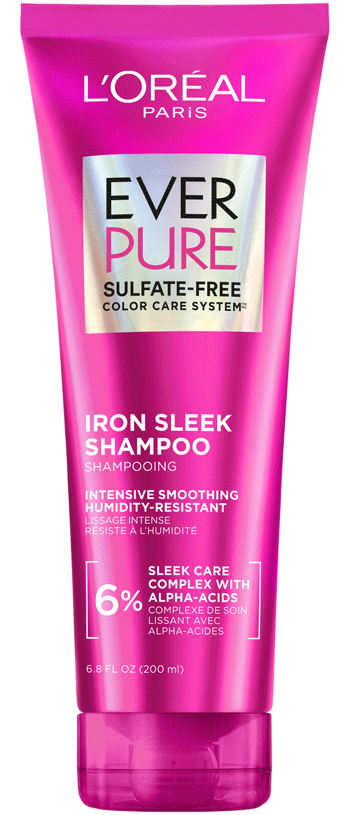
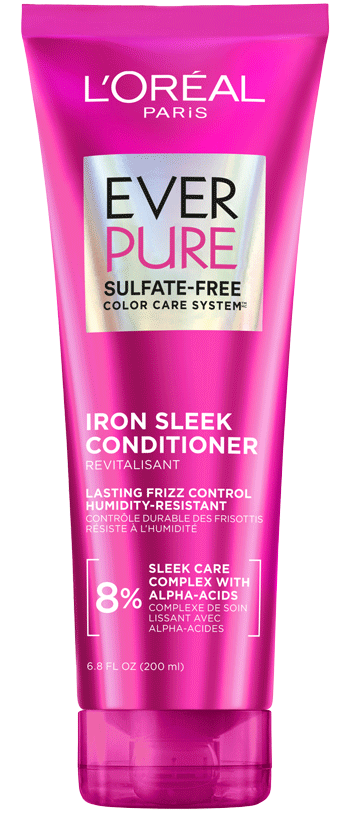
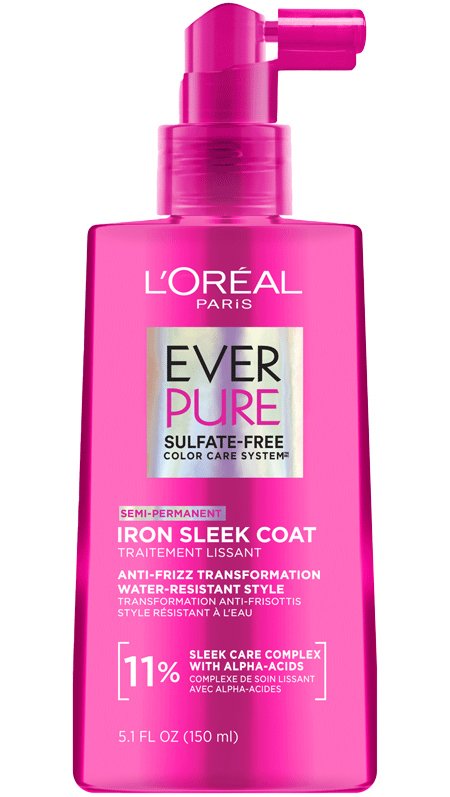
Start your styling routine in the shower with the L’Oréal Paris EverPure Sulfate-Free Iron Sleek Smoothing Shampoo and the coordinating L’Oréal Paris EverPure Sulfate-Free Iron Sleek Smoothing Conditioner. The color-safe duo gently cleanses and hydrates while helping to protect hair against frizz-causing humidity. If your hair is frizz-prone, you can also use the L’Oreal Paris EverPure Sulfate-Free Iron Sleek Coat as part of your styling routine. Then, blow-dry using a round brush to create lift at the crown and volume through the mid-lengths. As you dry, direct the shorter layers away from the face and flick the ends outward to enhance the signature butterfly shape. For best results, flip your head upside down for the last few seconds of drying to add even more lift. The blowout will give your butterfly cut volume and movement, while the smoothing leave-in will help keep your style looking sleek and shiny for up to five washes.

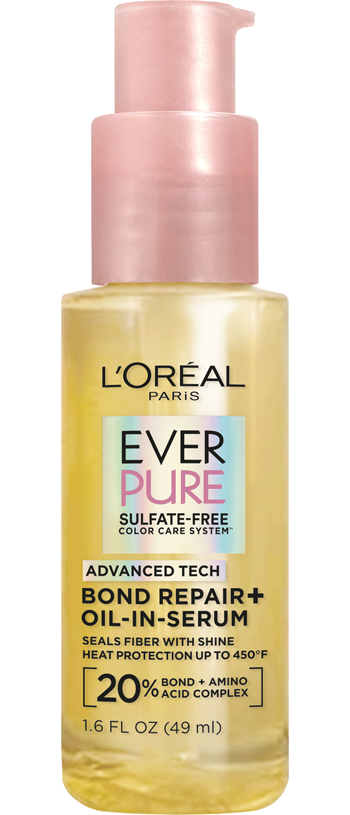
If you don’t feel like washing your hair before styling it, that’s okay—you can also style your butterfly cut with a curling iron. Start by priming your strands with a heat protectant (we love the L’Oréal Paris EverPure Bond Repair+ Hair Oil-in-Serum, which can be used on damp or dry hair). Then, use a medium-barrel curling iron to curl the longer layers, wrapping each section away from the face to enhance the flowing, layered shape of the cut. Focus on starting the curl a few inches down from the root to keep volume at the crown. For the shorter face-framing layers, hold the curling iron vertically and give them a gentle flick outward to achieve the signature butterfly effect.
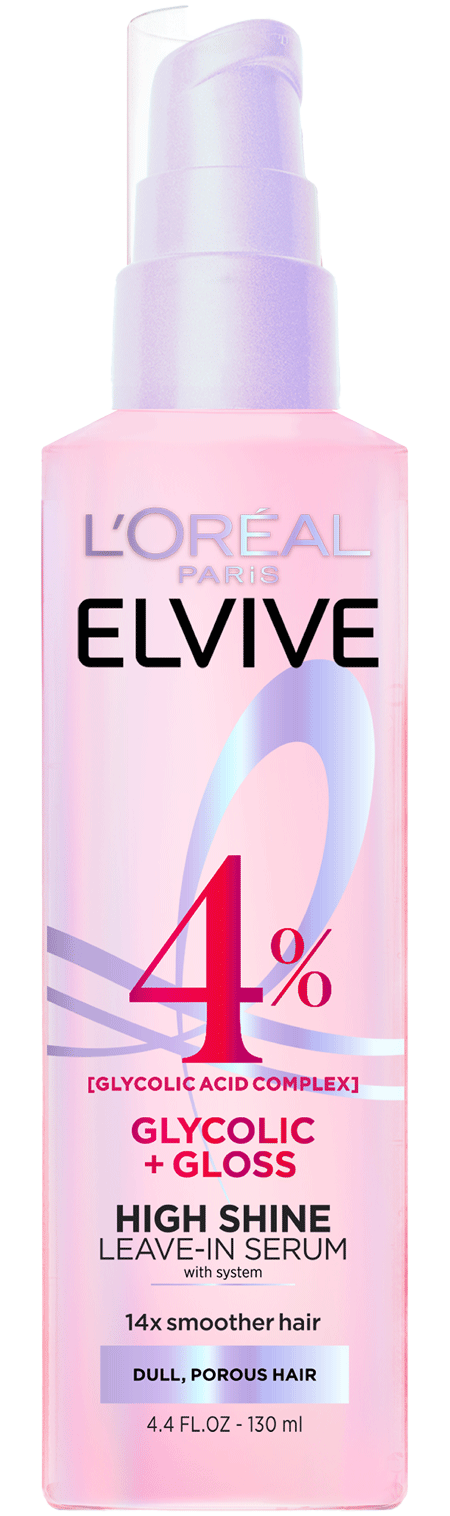
After curling, let the hair cool completely, then run your fingers through to break up the curls and create a soft, cascading finish that frames the face. For a glossy, polished look, smooth a small amount of L’Oréal Paris Elvive Glycolic + Gloss High Shine Leave-In Serum (pictured below) through the mid-lengths and ends to enhance shine. If your hair has trouble holding a curl, lightly mist your mane with the L’Oréal Paris Elnett Satin Extra Strong Hold Hairspray for long-lasting hold without any crunching or flaking.

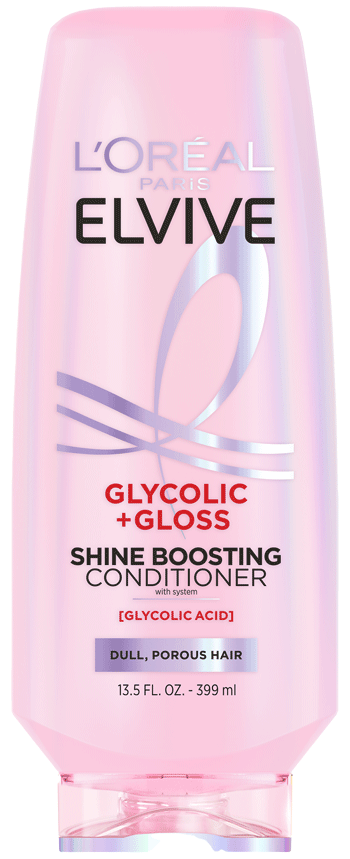
Those with curly hair can rely on heat-free styling to give their butterfly cut body, shape, and definition. Start by lathering up with the L’Oréal Paris Elvive Glycolic + Gloss Shine-Boosting Shampoo to cleanse your strands while helping boost shine. Then, apply the coordinating L’Oréal Paris Elvive Glycolic + Gloss Shine-Boosting Conditioner through your mid-lengths and ends to smooth the cuticle and support a glossy, light-reflecting finish.
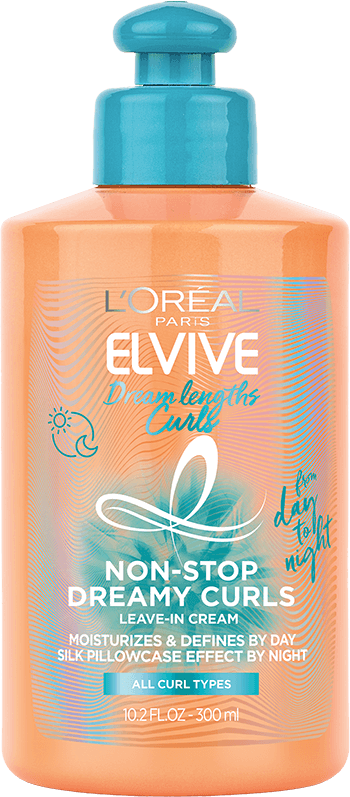
Post-shower, gently squeeze excess moisture from your hair and apply a lightweight leave-in or curl-defining product, like the L’Oréal Paris Elvive Dream Lengths Curls Leave-In Conditioner, to help enhance definition and control frizz. Scrunch your hair upward from the ends to encourage your natural curl pattern and help the layered shape fall into place. Let your hair air-dry for a soft, touchable finish, or use a diffuser if you want a bit more lift at the roots. Thanks to the butterfly haircut’s layered structure, curls and waves tend to separate more easily, creating a naturally voluminous, defined look with plenty of shine and minimal styling effort.

Even the most effortless-looking styles need a bit of upkeep to keep their shape and movement. Regular maintenance helps preserve the butterfly cut’s signature “winged” layering, ensuring the shorter pieces continue to frame the face while the longer layers stay light and bouncy. Here’s how to make your butterfly layers haircut look fresh, full, and healthy every day.
To keep your butterfly layers looking fresh (and to keep split ends at bay), aim for a trim every six to eight weeks. This helps maintain the shape of your cut and prevents your layers from growing out unevenly. If you have curly or coily hair, however, you may be able to stretch trims a bit longer, since shrinkage can help disguise minor growth and keep the layered shape looking balanced between appointments.
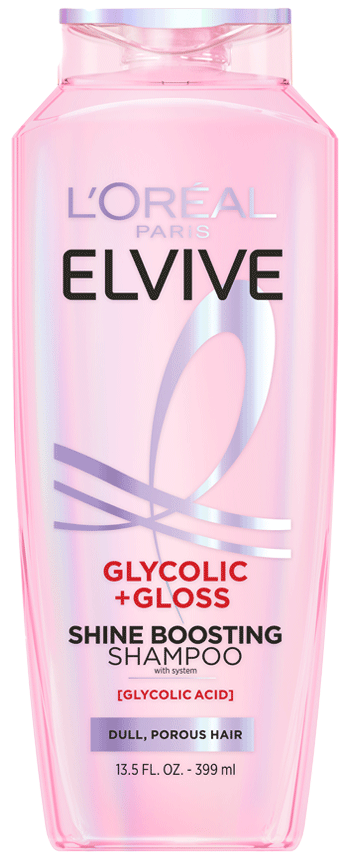
The butterfly haircut is meant to look bouncy and polished, and keeping the layers smooth helps the shape stand out. If your hair is prone to frizz, consider swapping your usual wash day products for the L’Oréal Paris EverPure Sulfate-Free Iron Sleek Smoothing Shampoo and the L’Oréal Paris EverPure Sulfate-Free Iron Sleek Smoothing Conditioner, which help smooth the hair and maintain a sleek, controlled finish. If shine is your main goal, the L’Oréal Paris Elvive Glycolic + Gloss Shine-Boosting Shampoo and the L’Oréal Paris Elvive Glycolic + Gloss Shine-Boosting Conditioner (pictured below) are great options for boosting luminosity and creating a glossy, light-reflecting look that enhances the movement of your layers.

Skip heavy styling aids—these can weigh down your hair and make your bouncy cut look flat. Instead, prioritize lightweight products that help add lift while still maintaining smoothness and movement through the layers. Striking the right balance between volume and polish will help the butterfly cut’s signature shape stand out without making the hair feel stiff or coated.
It can also help to use a clarifying shampoo occasionally to remove excess oil and product buildup that may dull your hair or weigh it down. Rather than sticking to a strict weekly schedule, rotate clarifying treatments in as needed based on how much buildup you notice. The L’Oréal Paris EverPure Sulfate-Free Clarifying Shampoo with Antioxidants is a great option—it helps refresh your strands while remaining safe for color-treated hair, so you don’t have to worry about it affecting your salon or DIY hue. If you don’t want to add another shampoo to your shower shelf, the L’Oréal Paris Elvive Hyaluron + Pure Oil-Erasing Serum for Oily Hair is a great alternative, as it removes up to 100% of residue without drying out your scalp or strands.


Next Up: 7 Stylish Ways To Rock a Bob Haircut This Year
Photo courtesy of L’Oréal Paris

This site is intended for US consumers. Cookies and related technology are used for advertising. To learn more, or opt-out, visit AdChoices and our privacy policy.
Your Privacy Choices
 Notice at Collection