4 Blonde Hair with Dark Roots Hair Styles You'll Love
More dimension, less maintenance




If you want a hair color that looks polished but doesn’t demand constant upkeep, blonde with dark roots is a smart place to start. This lived-in color trend celebrates your natural root shade instead of hiding it, so you can stretch the time between touch-ups and skip frequent salon visits. This low-commitment look can be especially appealing for brunettes and those with black hair who want to experiment with lighter lengths—but without the need for monthly salon visits.
Read on to learn how to create soft depth between your roots and lengths for dark roots in blonde hair, plus how to choose the best version for your undertone, maintain your color, and care for your strands over time.
Dark roots in blonde hair are intentionally dimensional. Techniques like shadow roots,balayage, ombré, and sombré keep depth at the scalp while lightening the mid-lengths and ends, which makes grow-out look soft instead of stark. That means less obvious lines of demarcation and a color that fits a low-maintenance lifestyle.
The right dark root shadow blonde technique for you depends on your starting shade, how light you want to go, your preferred undertone, and how often you are willing to maintain your color. In general, the darker your natural base and the lighter your blonde, the more you will rely on strategic toning and glossing to keep everything blended and flattering.
Before you make a major change, it is always a good idea to consult a professional colorist, especially if you have previously colored hair or want a big lift from very dark to very light blonde. A stylist can assess your hair’s condition, recommend the best placement for your highlights, and customize the tone so it flatters your features and skin tone.
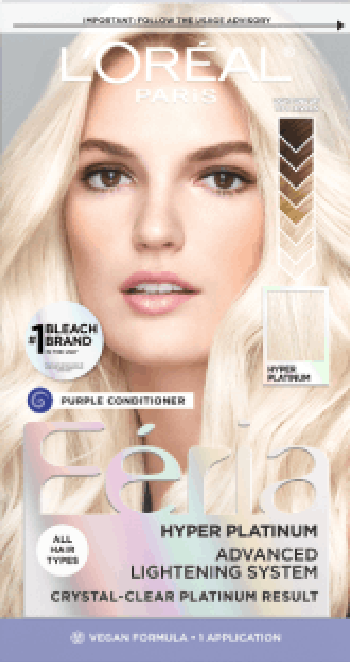
If you are ready for dark roots and blonde hair, and you feel comfortable lightening at home, you can reach for a DIY kit and follow the package directions carefully. You can try the L'Oréal Paris Colorista At-Home Hair Bleach & Lightener, which is designed to create highlights and all-over lightening with a more customized, placement-driven result. If you want an extra light tone, the L'Oréal Paris Feria Hyper Platinum Advanced Lightening System Bleach is formulated to take hair very light when used as directed. Both should be applied to dry, unwashed hair, and you should always perform a strand test first to understand how your hair lifts and how long you need to process.
If you want a full rundown before you start, check out How To Dye Hair at Home in 8 Easy Steps for more guidance.

Here are some of the blonde with dark roots hair coloring techniques we like the most:
Shadow hair, also referred to as shadow-toning or a shadow root, creates a soft veil of depth at the scalp. Your stylist will use a demi-permanent hair toner or gloss that is close to your natural shade and apply it at the root, then blur it slightly into your blonde lengths for a diffused transition. This gently connects your darker roots with your lighter mid-lengths and ends so that as your hair grows, you will not see a harsh line.
Dark root shadow blonde is ideal if you like your natural base color and want to blend darker regrowth rather than fully cover it. Deeper brunettes tend to look great with cooler ash or neutrals through the mid-lengths, while medium brown bases can pair beautifully with softer honey or beige tones.
You may also hear the terms root smudge and root melt used alongside shadow root. A root smudge is a shorter blur applied just at the root, while a shadow root extends the deeper shade farther down the hair for more visible contrast. A root melt stretches that gradient even more, blending your root color through the mid-lengths for a seamless, melted effect.
Balayage involves hand-painting highlights on the surface of the hair to mimic the way the sun would naturally lighten it. For a dark root blonde balayage, your colorist typically starts the lightest pieces a few inches away from the scalp, which keeps depth at the root while still giving you brightness around the face and through the lengths. The result is a soft, sun-kissed finish that grows out gracefully.
Because balayage is customizable, it can be adapted to almost any blonde tone. You can ask for a cooler, more muted result reminiscent of an icy or ash blonde, a golden blonde that feels warmer and beachy, like the looks in honey blonde highlights, or even a softer strawberry-inspired hue, all while keeping your root area slightly deeper.
These tonal shifts are what people often mean when they reference looks like dark root platinum blonde balayage, dark root ash blonde balayage, dark root honey blonde balayage, dark root strawberry blonde balayage, or dark root icy blonde balayage. Each of these variations keeps the root area intentionally deeper while your highlights stay bright and dimensional.
Ombré hair features a more noticeable transition from dark roots to lighter ends. The mid-lengths gradually shift lighter until the ends are significantly brighter, which gives a bolder, more statement-making blonde with dark roots contrast than balayage or a subtle shadow root. It can be created with traditional foils, balayage, or a combination, depending on your colorist’s technique.
This option is best for someone who wants to clearly see the gradient between their natural base and their blonde. Because there is more lightening through the ends, you will likely need regular toning and conditioning to keep the color looking fresh. Maintenance is still lower than a solid, all-over blonde, but a bit more frequent than with the softest shadow root looks.
Sombré, or “soft ombré,” is a gentler take on the ombré trend. Instead of a stark transition, it uses several shades and tones between your natural root color and your lightest ends to create a more seamless, blended effect. It is a great way to experiment with dark root blonde hair while keeping the overall result soft and natural.
Because the gradient is more gradual, sombré tends to be very flattering on natural brunettes and those with medium bases who want to move into blonde without feeling washed out. Your colorist can customize the tone—think golden, beige, or neutral blonde—so it complements your undertone. The softer blend also makes this one of the most wearable ways to try blonde with dark roots hair without committing to frequent touch-ups.
When you are deciding which blonde works best with your dark roots, start with your undertone. Cooler skin tones often pair well with ash, beige, or icy blondes, while warmer or olive complexions can look especially luminous with golden, honey, or neutral shades. If you are not sure where you fall, a neutral blonde with a mix of warm and cool reflects is a flexible option. For more undertone-specific inspiration, see The Most Flattering Hair Color Shades for Cool Skin Tones and 14 Beautiful Hair Colors For Warm Skin Tones.
Your natural base color also plays a role in which technique will blend most seamlessly, especially if you are working with brown hair with blonde highlights or a multi-dimensional base. Subtle shadow roots and sombré often work beautifully on dark blondes and light brunettes who want just a little lift, while more dramatic ombré or a high-contrast look like dark root platinum blonde balayage can suit very dark brown or black bases. As a general rule, softer blends require less maintenance, while higher contrast looks may need more frequent toning and glossing to keep the transition intentional instead of grown out.
If you are asking what hair color looks good with dark roots, there is no single right answer. Think about whether you prefer soft and sun-kissed, cool and sophisticated, or bold and high-contrast, then work with a stylist to fine-tune your tone and placement.
Once you have your new color, caring for it properly will help keep both your blonde lengths and darker roots looking intentional. Even though blonde with dark roots is lower maintenance than a solid blonde, you still need to support your hair with bond care, toning, and shine-enhancing products between salon visits or at-home touch-ups.
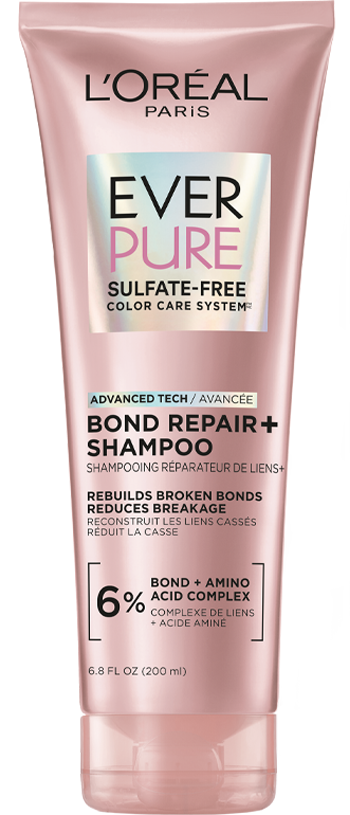
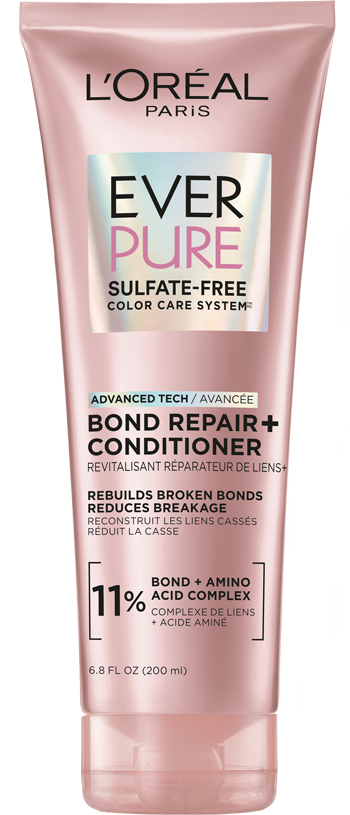
Keep your blonde looking fresh by using a hair care system that is safe for color and helps support the hair’s structure. L’Oréal Paris EverPure Sulfate Free Bond Repair Shampoo with Citric Acid and L’Oréal Paris EverPure Sulfate Free Bond Repair Conditioner with Citric Acid are gentle, sulfate-free formulas that cleanse and condition without stripping, while helping reinforce weak hair bonds that can be compromised during lightening. For a deeper dive into how bond repair works on lightened hair, read How To Use Hair Bonding Products To Treat Damage.

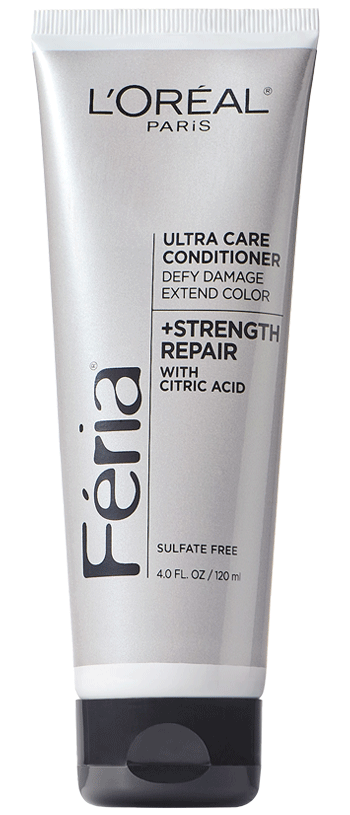
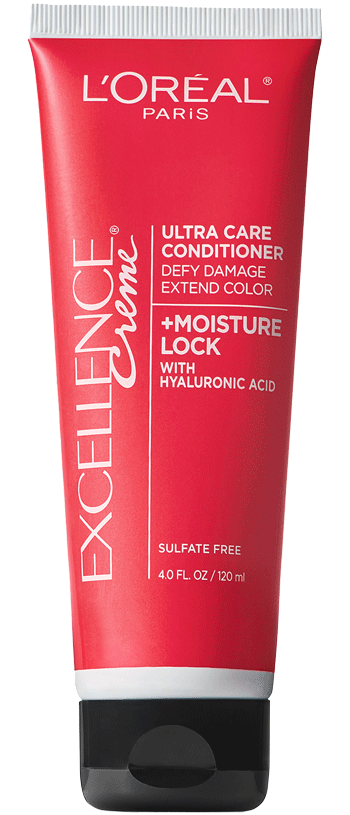
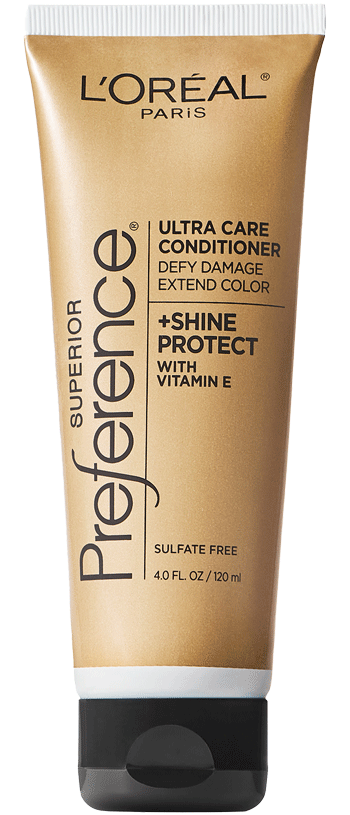
If you regularly color your hair at home, you may also recognize the rich care conditioners that come in L’Oréal Paris hair color kits. The L’Oréal Paris Feria Strength Repair Ultra Care Conditioner, the L’Oréal Paris Excellence Moisture Lock Ultra Care Conditioner, and the L’Oréal Paris Superior Preference Shine Protect Ultra Care Conditioner each help nourish color-treated hair, add softness, and boost shine so your dark roots blonde hair looks healthy from root to tip. You can also explore more treatments for color-treated damaged hair to round out your routine.
Try alternating your bond-care system with your other favorite color-care shampoos and conditioners based on how often you wash your hair. If your hair is very lightened, focus the most reparative products on your mid-lengths and ends, and be gentle when detangling to avoid unnecessary breakage. For more repair options, see our guide to the best products for damaged hair.
Brassiness shows up when underlying warm pigments start to peek through your blonde, and it can be especially noticeable on very light, icy, or ash blondes, including dark root icy blonde balayage looks. When you see yellow or orange tones in your mid-lengths and ends, it is time to bring in targeted purple care. If you are new to these formulas, Purple Shampoo 101: What Is Purple Shampoo and How Often To Use It explains how they work and how often to use them.
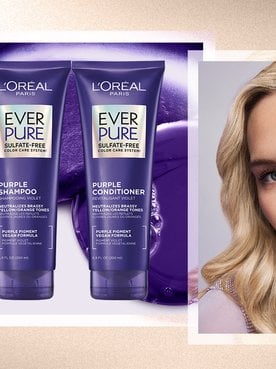
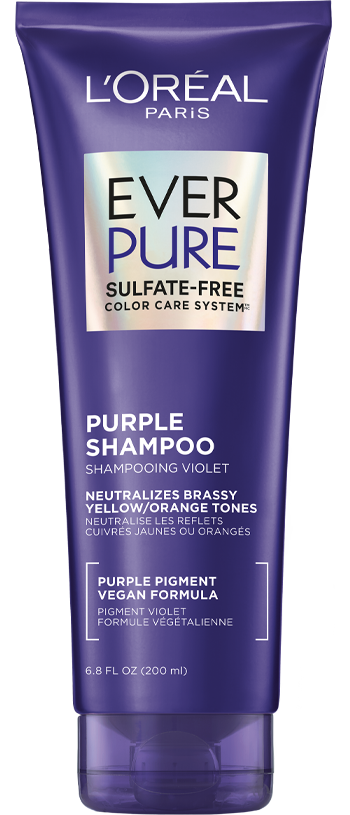
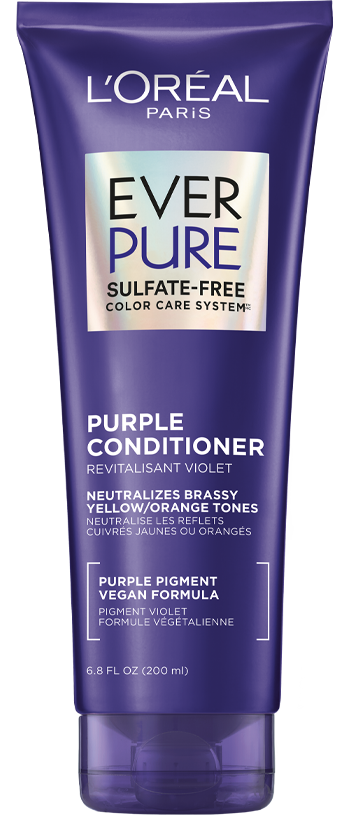
Swap your regular shampoo and conditioner for the L’Oréal Paris EverPure Sulfate Free Purple Shampoo for Toning Blonde Bleached Hair and the L’Oréal Paris EverPure Sulfate Free Purple Conditioner for Toning Blonde Hair as needed. These formulas use violet pigments to help neutralize unwanted yellow and orange tones while caring for your hair, and they work best when you leave them on for the time recommended on the package. You can also read How To Tone Blonde Hair With Purple Shampoo for more tips on timing and technique.
For more intense brass control, reach for the L’Oréal Paris EverPure Sulfate-Free Anti Brass Purple Mask Treatment. Use it in place of your conditioner when your blonde is looking especially warm, apply it evenly to damp hair, let it sit for a few minutes, and then rinse thoroughly to reveal a cooler, more balanced blonde that still looks dimensional with your darker root.
Aim to use purple products one to three times a week depending on how often you wash and how quickly your color gets brassy, and rotate them with your bond-care system so you are not over-toning. This keeps your dark root ash blonde balayage blonde, icy shades, or high-lift ends from drifting too warm between color sessions.


Beyond toning, glossing treatments help refresh your blonde and keep the transition from your dark roots to lighter ends looking cohesive. They smooth the hair’s surface so light reflects more evenly, which can make the contrast between your roots and mid-lengths feel intentional and polished rather than dull. To learn more about what gloss can do for color-treated hair, check out Why Hair Gloss Is a Must-Have for Vibrant Color.
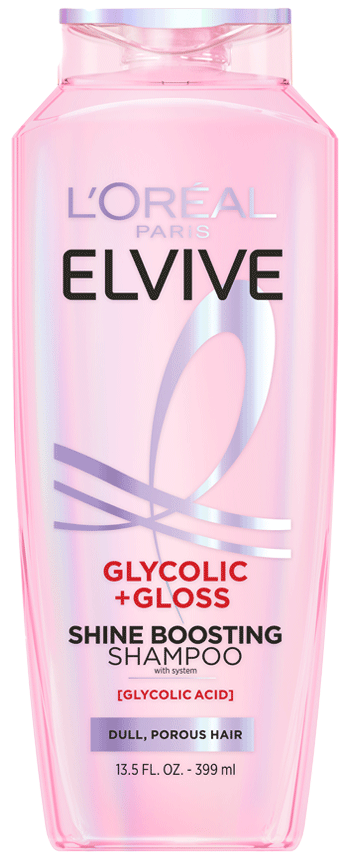
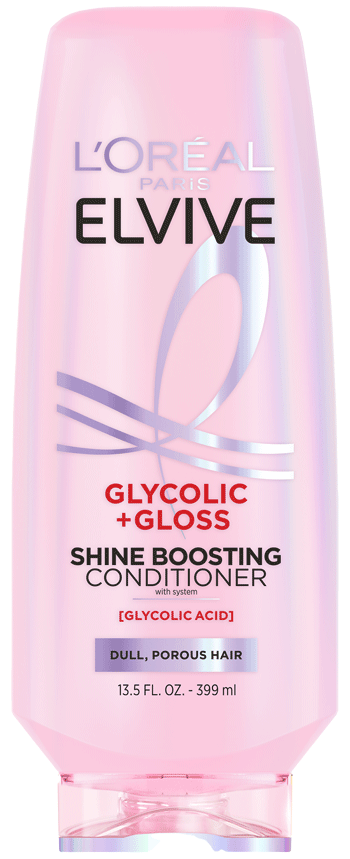
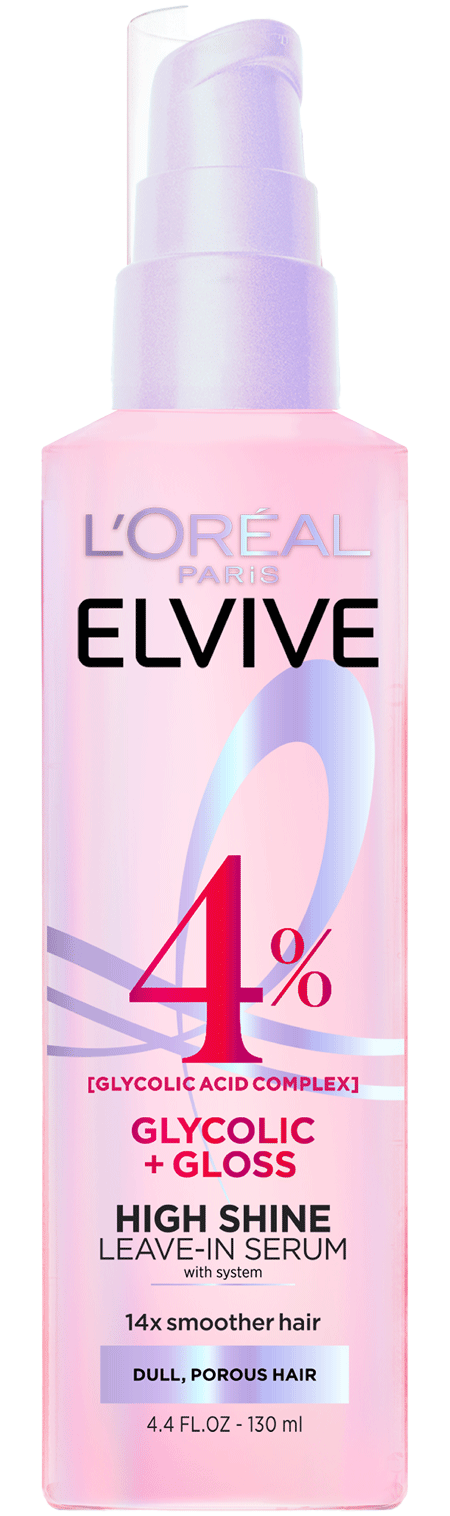
You can build a shine-boosting routine with the L’Oréal Paris Elvive Glycolic Gloss Shine Boosting Shampoo and the L’Oréal Paris Elvive Glycolic Gloss Shine Boosting Conditioner, followed by the L’Oréal Paris Elvive Glycolic Gloss High Shine Leave-In Serum. Used together as directed, they help smooth the cuticle, add reflective shine, and leave hair feeling soft and silky so your dark root icy blonde balayage or sun-kissed ends catch the light as they should.
Incorporate this glossing routine several times a week, or as often as you shampoo, depending on how frequently you wash your hair. Between salon appointments or at-home color sessions, this extra boost of shine can help your dark root blonde hair look fresh even as your roots continue to grow.

A lived-in blonde with dark roots look is designed to look good for weeks at a time. In many cases, you can go eight to twelve weeks between lightening appointments, especially if you are working with soft shadow roots or sombré techniques that build in dimension from the start. Higher contrast ombré or very bright blondes may need more frequent toning or glossing to keep the transition sharp, but you can still often extend the time between full lightening sessions compared with traditional highlights. Pairing your color with low-maintenance haircuts can make your routine feel even more effortless.
Think of maintenance in two parts: refreshing your toner or gloss every four to eight weeks to keep your blonde on tone, and scheduling more substantial lightening only when you want to brighten your ends again or shift your overall color. With consistent care at home, your blonde with dark roots can stay intentional and flattering through several inches of growth.
Blending natural dark roots into blonde at home starts with being realistic about how much you can safely do yourself. If you want to softly refresh blonde with dark roots, focus on toning products, glosses, and root-blending techniques instead of dramatically bleaching your roots. Root touch-up sprays, temporary powders, and careful toning through the mid-lengths can help soften the contrast until you see a professional. If you do lighten at home, always follow the kit instructions, perform a strand test, and avoid overlapping lightener onto already-lightened hair.
These three techniques all blur the line between your natural root color and your lighter lengths, but the amount of blending and contrast varies. A root smudge uses a demi-permanent formula to soften just the first bit of regrowth, while a shadow root extends that slightly deeper tone farther down the hair for a more noticeable gradient. A root melt stretches the darker shade even further through the mid-lengths to create a seamless melt into your lightest ends. Your stylist can customize any of these approaches to suit your starting shade and your dark root blonde balayage goals.
Yes, blonde can look striking with black or very dark brown roots when the tone and placement are chosen thoughtfully. High-contrast dark roots blonde hair with bright, cool mid-lengths and ends can feel modern and intentional when the transition is blended. If you prefer something softer, you can keep more depth through the mid-lengths and save the brightest blonde for the ends and face-framing pieces. Asking for a neutral or slightly cool blonde on the ends helps keep the overall effect polished and cohesive.
Blonde with dark roots can work on both warm and cool skin tones as long as the blonde shade is tailored to your undertone. Cooler complexions often suit ash, beige, or icy reflects that complement pink or cool undertones, while warmer or golden skin tones tend to glow with honey, caramel, or golden blondes. If your undertone is more neutral, you can lean in either direction or choose a balanced blonde that mixes both warm and cool pieces. The key is working with your stylist so your final color feels like an elevated version of your natural hair rather than a one-size-fits-all blonde.
Next Up: How To Get Dark Brown Hair With Blonde Highlights
Photo courtesy of L’Oréal Paris


This site is intended for US consumers. Cookies and related technology are used for advertising. To learn more, or opt-out, visit AdChoices and our privacy policy.
Your Privacy Choices
 Notice at Collection