Partial vs. Full Highlights: What To Choose for Your Strands
The simple way to pick a flattering, wearable refresh



If you're considering going lighter for your next look, you're probably considering partial vs. full highlights. Highlights are a fun way to add light without committing to an all-over hair color change, and there are many ways to achieve them. Partial highlights and full highlights are two of the most popular options. Both can brighten your look and add dimension—just with different levels of coverage.
If you’re weighing partial highlights vs. full highlights, you’re in the right place. Ahead, we’ll break down what partial highlights are, how they compare to full highlights, and what to keep in mind before you book your next appointment (or start your at-home blonding plan).
Partial highlights are a hair-color technique where your colorist lightens only certain sections—often the face-framing pieces and/or the top layer—instead of highlighting the entire head. Just like classic highlights, you can tweak the placement and brightness to get the look you want.
If you want a barely-there change, babylights are a type of partial highlights made to mimic that soft, sun-kissed glow. If you want something more noticeable, a slightly thicker placement can give you a brighter pop without going all-in.
For more on this ultra-fine approach, seeBabylights: All About This Subtle Highlighting Technique.
The biggest difference in partial highlights vs. full highlights is how much hair gets lightened. Partial highlights focus on select sections, while full highlights are woven throughout the entire mane.
Due to the difference in these blonding application techniques, the end results are significantly different. Full highlights tend to be more pronounced and are ideal if you're seeking a noticeable change without having to dye all of your hair. Meanwhile, partial highlights are subtler and often result in a more natural-looking, sun-kissed effect. Maintenance is also easier than full highlights—but we’ll get into that later.
Before you decide between partial vs. full highlights, here are a few practical things to think about.
Both partial highlights and full highlights can work with any texture—straight, wavy, curly, or coily. Hair density can make a difference, though.
If you're rockingdarker hair or haven’t experimented much with hair color, partial highlights can be a good way to ease into a lighter hue. Because the change is subtler, you won’t have to worry about bleaching too much of your hair or committing to a completely different look.
Your hair’s current condition matters, too. If your hair is heavily processed or damaged, it’s typically best to keep any additional processing to a minimum. Partial highlights or a partial balayage can give you the change you’re looking for without needing to bleach a significant amount of hair. If you do decide on full highlights, be sure to update your routine with reparative haircare products to help strengthen and reinforce your strands against future damage.
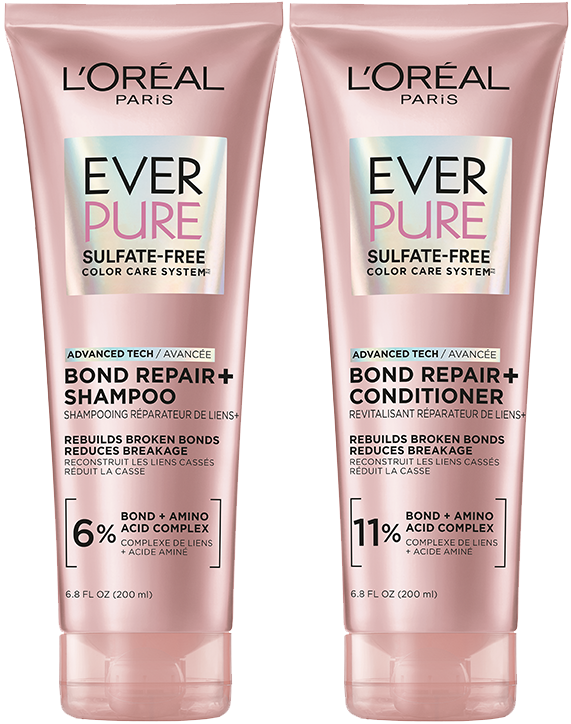
If your hair is feeling a bit dry or stressed from lightening, a gentle, color-friendly wash routine can help. Try the L'Oréal Paris EverPure Sulfate-Free Bond Strengthening Shampoo and Conditioner Kit: it’s sulfate-free and designed to cleanse without stripping, while hydrating and reinforcing hair, for a softer, smoother, and more manageable feel.
If you want a subtle, natural-looking change, partial highlights are usually the way to go. However, it you want a bigger, more noticeable refresh without going fully blonde all over, full highlights can deliver that brighter, more even lift.
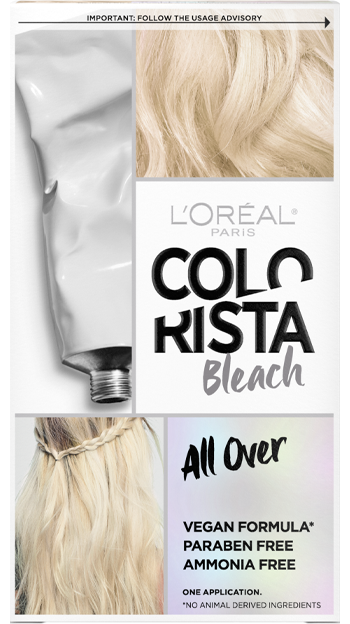
If you plan to DIY your blonding at home, consider the L'Oréal Paris Colorista Hair Bleach & Lightener At Home Kit. It comes with an expert applicator for an even, precise application. Always remember to follow the included instructions and do a strand test first.



All highlights need to be touched roughly once every six to eight weeks to look their best, but upkeep can feel different depending on placement.
Because partial highlights are concentrated in fewer areas, refresh appointments can be quicker. With full highlights, you’ll typically need more time to blend regrowth around the entire head.
If you’d like to stretch the time between appointments, talk to your colorist about placement options like partial balayage vs. full balayage techniques—especially if you love that softer, lived-in finish. This highlighting technique involves hand-painting strands from the mid-lengths to ends for a lived-in effect—and because the lighter streaks don’t begin at the root, you don’t have to commit to as frequent touch-ups.
For more on balayage, check outBalayage Highlights: Everything You Need To Know.
In many salons, partial highlights are less expensive than full highlights since fewer sections are lightened. Pricing depends on hair length, technique, and location, but if you’re comparing types of highlights, partial vs. full, it’s always worth asking what’s included (toner, glossing, and styling can affect the total).
If you’re leaning toward partial highlights, here are a few ways to wear them.
Face-framing partial highlights are a great option for those seeking a subtle change. You can make your face-framing highlights any color you want, but for a natural feel, we recommend keeping your lighter streaks within a few shades of your base color. Dark blonde partial highlights on brown hair make for a subtly sun-kissed look, while blondes can opt for brighter hues, such as wheat, beige blonde, or evenplatinum.
With the mohawk partial highlighting technique, your colorist will gather the hair at the center of your head (this section should encompass about a third of your mane). Then, they’ll split this section into smaller horizontal sections. One at a time, they’ll apply lightener to these horizontal sections and wrap them with foil. When the foil begins to stack up, it begins to look a bit like a mohawk—hence the name of the technique. Once you let down your hair, you’ll have thick ribbons of color spaced evenly around your head.
If you like a more evenly bright look but aren’t ready for full highlights, ask for partial highlights throughout the top half of your hair. You’ll get all-over dimension up top, while the underside stays closer to your natural shade. It’s a nice in-between option if you want your hair to look brighter overall, but still a little more low-key than a full set.
Partial highlights don’t always have to be neutral and subtle. A few well-placed pops of color, such as pink, purple, or red, can be a fun way to switch things up without changing your whole head of hair. If you’re not sure whether you’re ready to commit to fantasy color, that’s okay—you can test-drive the look with a temporary hair color. The lightweight, quick-drying formula works well on both light and dark hair (no bleaching required), and it lasts until your next shower.
Whether you have partial highlights or full highlights, a few routine tweaks can help keep your color looking fresh and your hair feeling healthy.
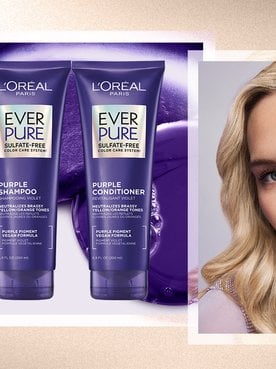
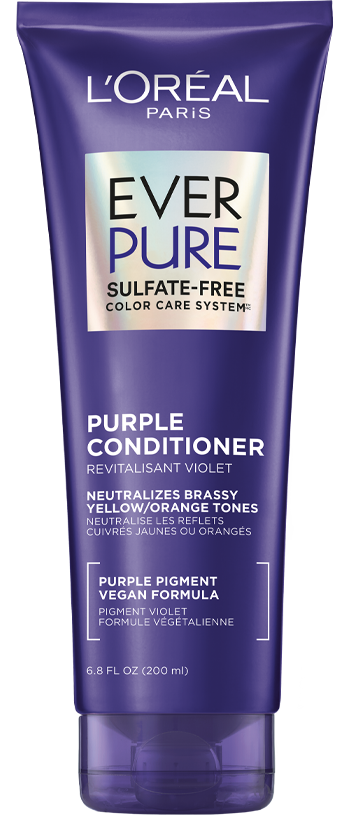
Highlighted hair can turn brassy over time—especially if you started with a darker base. If you notice yellow or orange tones, apurple shampoo and conditioner can help neutralize warmth.
We recommend the EverPure Sulfate-Free Toning Purple Conditioner to help brighten color-treated hair while minimizing brassiness. Both are sulfate-free.

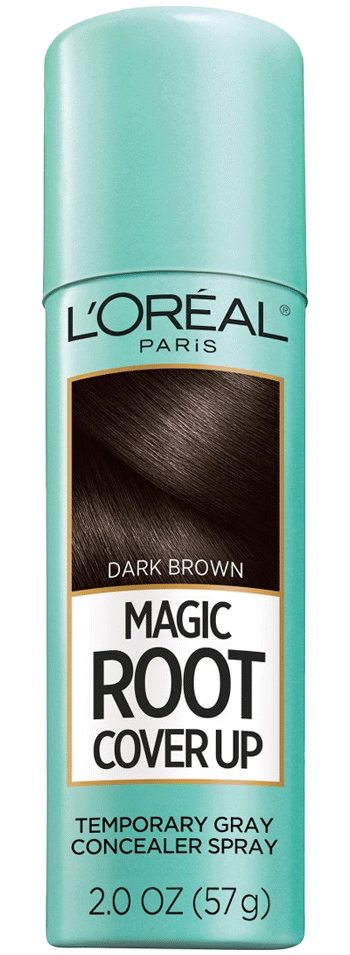
How often you refresh your highlights depends on your grow-out and how blended you like things to look. If you notice regrowth between appointments, a root cover-up can help tie everything together, like theL’Oréal Paris Magic Root Cover Up Root Touch-Up Spray. This hair concealer will help blend your root color with your highlights.
If your color starts to look a little flat, an at-home gloss can bring back that fresh-from-the-salon shine. Try the L'Oréal Paris EverPure Sulfate Free Glossing Shampoo, L'Oréal Paris EverPure Sulfate Free Glossing Conditioner, and the L'Oréal Paris EverPure Sulfate Free Glossing 5-Min Lamination Hair Mask—all formulated withglycolic acid to help smooth the hair fiber so it reflects light for a glassy-looking shine.
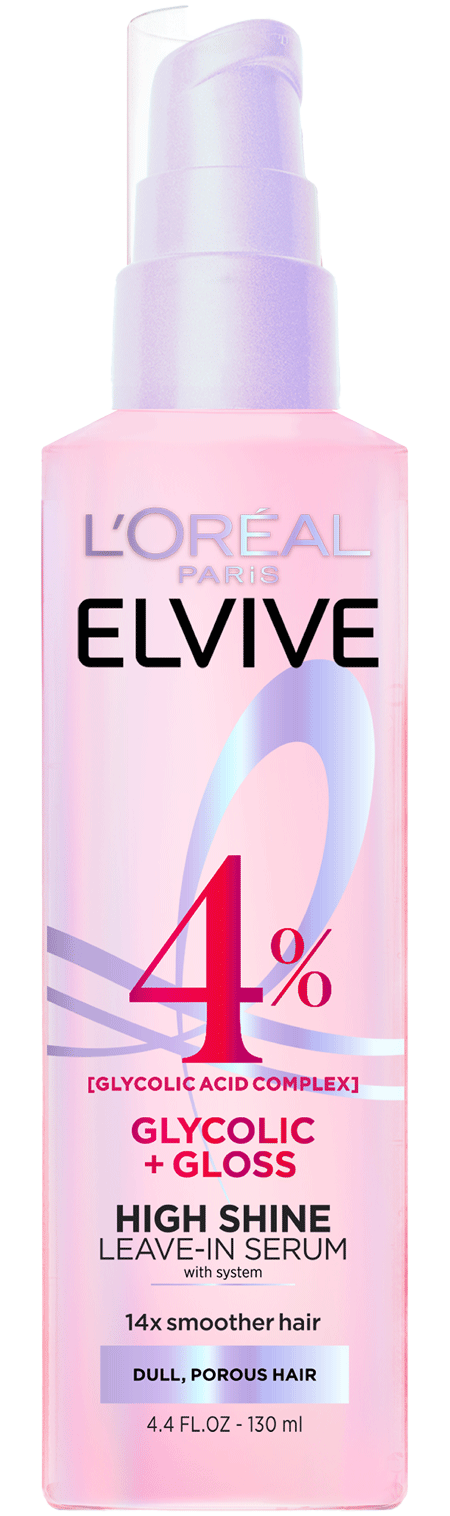
For a daily, extra shine-boosting step, you can also smooth a small amount ofL’Oréal Paris Elvive Glycolic Gloss High Shine Leave-in Serum through damp mid-lengths and ends, then style as usual.


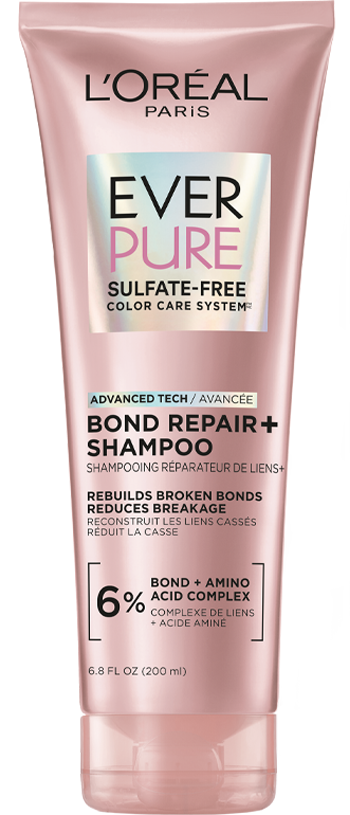
After blonding, gentle cleansing and conditioning can make a big difference in how your hair feels. Use the L'Oréal Paris EverPure Sulfate Free Bond Strengthening Shampoo and L'Oréal Paris EverPure Sulfate Free Bond Strengthening Conditioner as your regular wash-day duo. Formulated with citric acid, this bond-repair pair helps repair and reinforce weak bonds in color-treated, bleached, and damaged hair, so strands feel stronger and smoother.

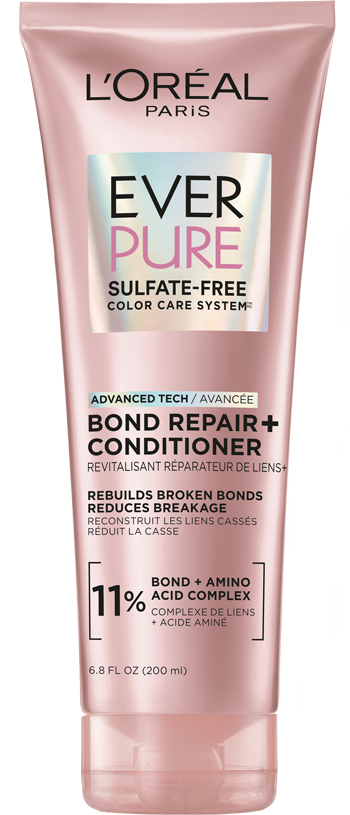
If you dye your highlights or your hair base color with a boxed kit, the matching Ultra Care Conditioner is an easy way to give your hair a little extra love right after you color. Choose based on what you want most:
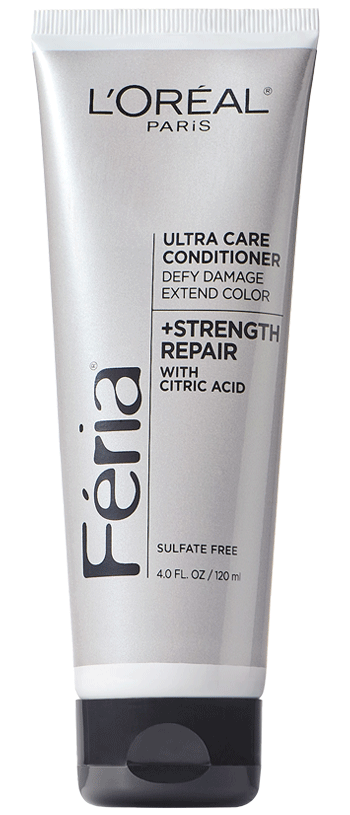
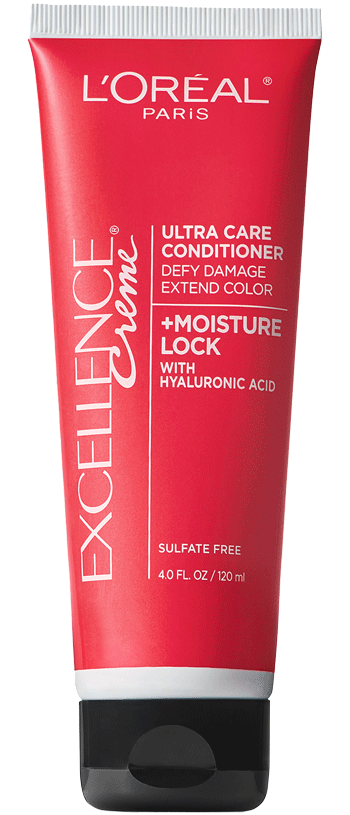
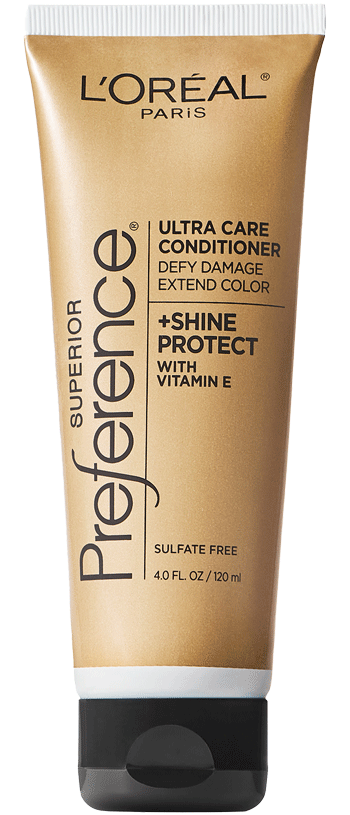
Switching from partial highlights to full highlights is usually as simple as adjusting placement at your next appointment. Your colorist can add brightness in the areas that were left out before, then tone everything so it blends seamlessly.
Timing depends on how fast your hair grows, how much contrast you have, and whether you choose partial vs. full highlights. If you prefer a softer grow-out, techniques like partial balayage can sometimes help you go longer between visits.
Any lightening service can make hair feel drier over time because it changes the hair’s pigment. Spacing out services, keeping heat styling in check, and using strengthening care products can help—and for many people, partial highlights are a lower-impact way to add brightness.
Next Up: How To Do Chunky Highlights at Home
Photo courtesy of L’Oréal Paris

This site is intended for US consumers. Cookies and related technology are used for advertising. To learn more, or opt-out, visit AdChoices and our privacy policy.
Your Privacy Choices
 Notice at Collection