How To Go From Brown to Blonde Hair Without Damaging Your Strands
Lightening your hair without frying it requires a careful, patient approach.



Going from brown to blonde hair is one of the best ways to brighten up your look. And with so many shades to choose between—from warm-toned honey blonde to cool icy platinum—there’s a blonde hair color to complement every complexion (and aesthetic).
However, the journey from brunette to blonde can be long, and if not done correctly, can lead to damage. But with the right techniques and proper care, achieving a stunning blonde hue without compromising your hair’s health is entirely possible. Here, we'll equip you with must-know tips for safely transitioning your brunette locks to a sunny blonde, along with advice to keep your gorgeous new color looking fresh. Keep reading for all the details—your new hue awaits.




Before embarking on your journey from brown to blonde hair, there are a few important factors to consider. Your hair's history, including any previous dye jobs, bleach applications, or henna treatments, significantly impacts how your hair will react to the coloring process. It's also vital to assess your hair's current health. A simple elasticity test can reveal potential breakage risks; healthy hair should stretch and return without snapping off. It’s best to enter the process with strong, natural (read: un-colored) hair to ensure your tresses look and feel their best once you’re done.
Keep in mind that for most brunette to blonde transformations, bleach is a necessary step to lift your natural pigment and achieve your desired color. The darker your starting shade, the more work may be required to lighten it. So if you have dark brown hair and want to embrace a white-blonde shade, manage your expectations—in many cases, you’ll need to undergo more than one bleaching and coloring session to achieve your dream shade. If this is the case, it’s best to wait at least four to six weeks between lightening sessions to prevent excessive damage and allow your hair to recover. And once you achieve your desired hue you’ll need to touch up your roots every six to eight weeks to blend new growth.
While you absolutely can go to a salon to bleach your hair, for many, it may not be entirely necessary. However, understanding the best approach for your specific situation is key to keeping your hair healthy.
If you opt for the at-home approach, always remember to perform a strand test on a small, hidden section of hair first to gauge processing time and color result. Be sure your space is properly ventilated while bleaching your hair, and follow the instructions closely to avoid unnecessary damage or uneven results.

To go from brown to blonde hair at home successfully, there are a few things to keep in mind. First, let's clarify the process. Achieving your desired blonde from brown typically involves several steps:
Choosing the right hue is also essential. Both brown and blonde hair can have either warm or cool undertones. To get the most flattering results, consider matching the undertones of your desired blonde to your natural complexion. For example, if you have warm skin undertones, a warm honey blonde might be more harmonious, while cooler complexions often suit icy or ash blonde shades.
If you want to experiment with blonde hair but prefer an approach that minimizes overall stress on your hair, consider balayage. This technique creates blended, painted-on highlights that grow out more softly and require less frequent maintenance than an all-over color, making it a damage-mitigating strategy for those looking to go from brunette to blonde gradually. Since this highlighting technique is highly technical, it’s best left in the hands of a professional color expert.
Transitioning from dark brown to blonde hair is a significant undertaking that almost always requires multiple sessions and careful planning, due to the deep pigment of dark hair. The process involves multiple steps, including bleaching, resting, coloring, and toning to minimize brassiness and keep your blonde bright. In short, if you’re aiming for a major hair transformation, patience is key. Here's a step-by-step guide for going from dark brown to blonde hair:
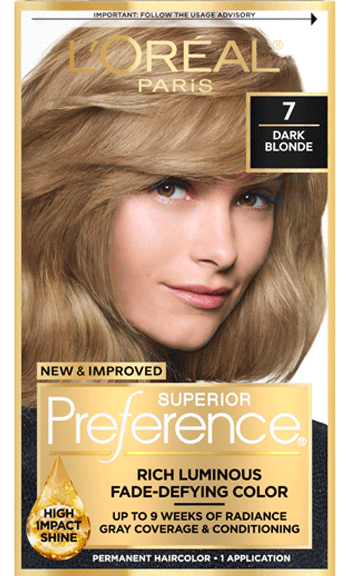
Start by deciding what shade of blonde you’re aiming to achieve. For a more subtle—but still striking—transformation, consider opting for a deeper blonde hue, like L'Oréal Paris Excellence Crème Permanent Triple Protection Hair Color in Dark Blonde. If a bright, summery hue is more your speed, try the L'Oréal Paris Excellence Creme Universal Nudes in Natural Light Blonde (pictured below). Remember that the lighter you go, the more bleaching sessions you’ll have to do.
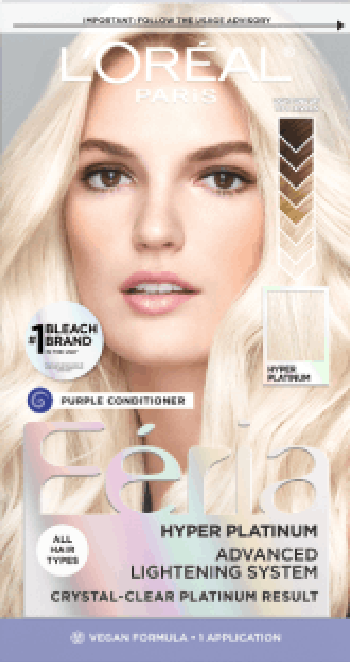
When you’re ready to get started, apply the L'Oréal Paris Féria Hyper Platinum Advanced Lightening System Bleach to dry, second- or third-day hair and process as outlined in the instructions. After this first session, your hair may have warm, orange, or yellow tones; this is a normal part of the dark brown to blonde process. You can use the kit’s toning conditioner after coloring to help neutralize unwanted brassy hues.

If you require multiple bleaching sessions to achieve your desired blonde, it is crucial to wait at least four to six weeks between each application. In the meantime, be gentle with your strands—avoid heat styling as much as possible and focus on giving your hair some TLC. Consider incorporating a reparative mask, such as the L'Oréal Paris Elvive Total Repair 5 Damage Erasing Balm Rinse-Out Mask, into your weekly routine to help strengthen and reinforce your hair.
After the waiting period—and if your hair's integrity allows—bleach your hair again to achieve a lighter base, following the product instructions carefully. This gradual approach is vital for minimizing damage when going from brunette to blonde.
Once your hair is lightened to the appropriate level, you can go ahead and apply your chosen blonde hair dye to complete your hair transformation. Be sure to read the instructions thoroughly before getting started, as different formulas have different processing times.
As we mentioned above, it’s pretty common for hair to take on a brassy yellow or orangeish appearance after lightening. If you’re angling for a cooler blonde hue, consider toning your hair to help minimize unwanted warmth. If you don’t have a toner on hand, reach for a purple hair mask, such as the L’Oréal Paris EverPure Sulfate-Free Anti-Brass Purple Mask Treatment, which neutralizes unwanted yellow tones in as little as five minutes.


Transitioning from light brown to blonde hair can often be a more straightforward journey than going from darker shades, typically requiring fewer sessions and presenting a lower risk of damage. Here's how to achieve your desired blonde from brown:
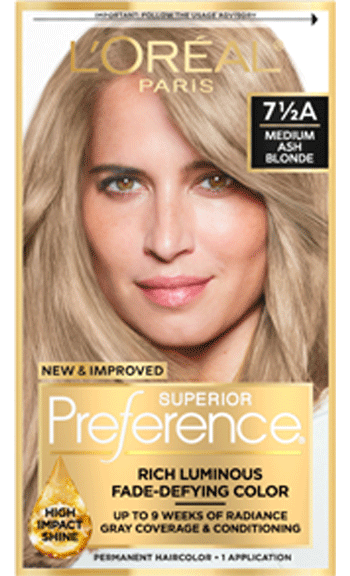
Start by selecting your blonde hair dye shade. When going from light brown to blonde hair, you have plenty of flexibility. If you only want to go a little lighter, a high-lift permanent hair color, like L’Oréal Paris Superior Preference Fade-Defying Shine Permanent Hair Color in Medium Ash Blonde, might be sufficient without the need for pre-lightening. However, for a brighter blonde hue, bleaching your hair is generally necessary to lift your natural pigment effectively.

After any lightening process, whether it's bleach or a high-lift dye, wash and condition your hair according to the aftercare instructions included with your kit. Then, give your hair a day or two to "rest." It's best to avoid doing too much chemical processing in a single sitting, especially when going from brown to blonde.
Once your hair is light enough for your dye to show up, you can go ahead and apply your blonde hair dye. We recommend reading (and re-reading) the instructions before getting started to help ensure the best possible end result for your at-home transformation.
The journey of going from brunette to blonde hair is highly individual, with the timeline largely dependent upon your starting base color and the desired lightness. This transformation can range from a single weekend (for light brown hair) to several months, especially when starting with an ultra-dark base.
Light brown to blonde Hair: If you're starting with a light brown base and have no prior artificial color in your hair, achieving your desired blonde from brown might be possible within a single weekend. This typically involves fewer lightening sessions, or sometimes even just one, followed by toning and coloring.
Dark brown to blonde hair: For those transitioning from dark brown to blonde hair, the process requires more patience and multiple sessions. To protect the integrity of your hair, it's generally recommended to space out bleaching sessions by approximately six weeks. This means achieving a significant shift from dark brunette to blonde could take six weeks or more, depending on your starting hue and the color you’re aiming to achieve. This gradual approach minimizes damage and allows your hair time to recover between chemical treatments, leading to a much better outcome in the long term.
Achieving your dream blonde shade is an accomplishment, but the journey doesn't end there. Proper maintenance is non-negotiable, especially after the bleaching process required to transform brunette to blonde. To keep your mane looking its best and prevent damage, it's essential to swap out your regular haircare products for products specifically formulated for color-treated strands. Here are four tips to consider for your blonde haircare routine to ensure your new hue stays vibrant and healthy.
Even when done properly, going from brown to blonde hair with bleach always results in some degree of damage. If your strands are suffering after your transformation, it’s a good idea to incorporate a bonding treatment into your routine to help strengthen and repair your hair. Ideally, you should start using bond-strengthening treatments immediately after your bleaching session(s) to support your hair's integrity as it recovers from the lightening process.
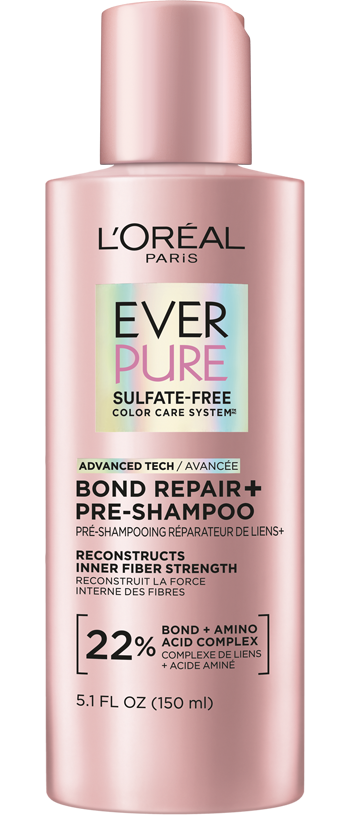
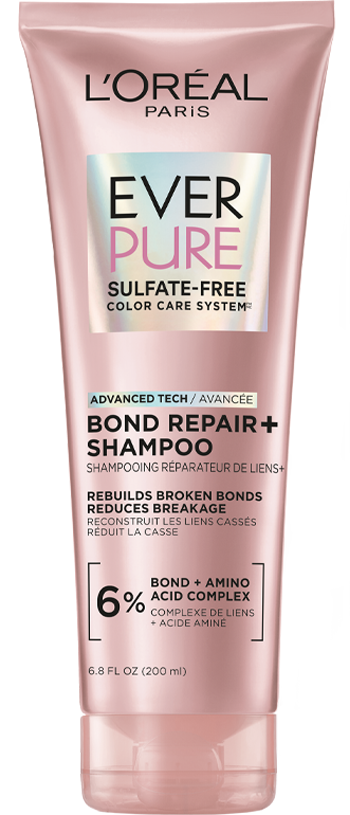
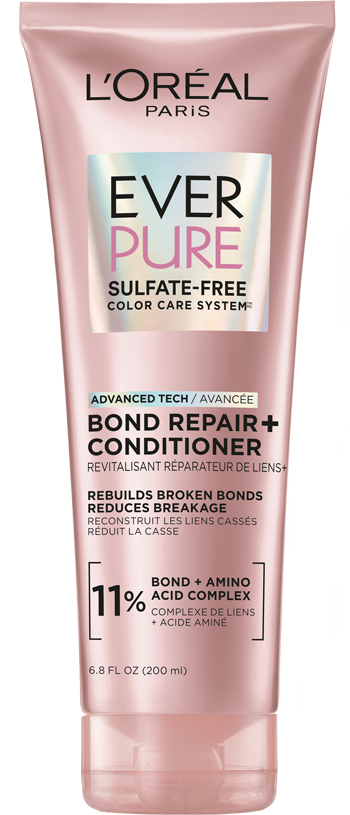
We suggest the L’Oréal Paris EverPure Bond Repair collection, which includes the L’Oréal Paris EverPure Bond Strengthening Pre-Shampoo Treatment, the L’Oréal Paris EverPure Sulfate Free Bond Repair Shampoo with Citric Acid, and the L’Oréal Paris EverPure Sulfate Free Bond Repair Conditioner with Citric Acid. This trio helps repair weak hair bonds from the inside out to strengthen hair and prevent future damage. It’s designed specifically for color-treated hair and can be used daily to help support your hair’s healthy appearance.
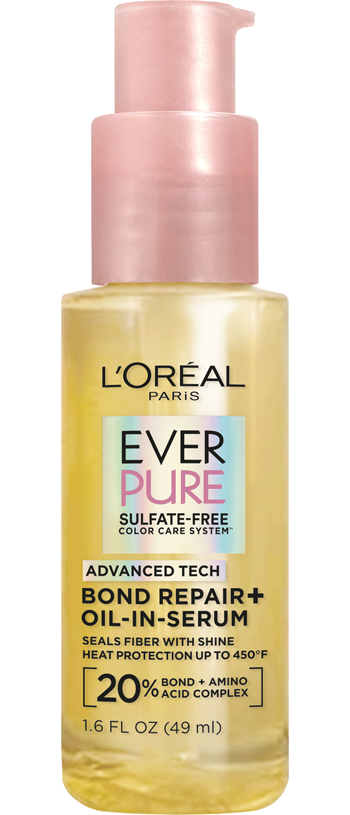
Repeated exposure to heat can wear down your strands and fade your color. For the first two to three weeks after your brown to blonde transformation, we recommend air-drying your hair as much as possible to give your strands extra time to recover. After that, opt for heatless hairstyles when you can. If you do decide to use a blow dryer or other hot tools, be sure to use a heat protectant like the L'Oréal Paris EverPure Bond Repair Hair Oil-in-Serum to prime your strands first. This leave-in treatment helps strengthen the hair and boosts shine while protecting against temperatures up to 450 degrees Fahrenheit.

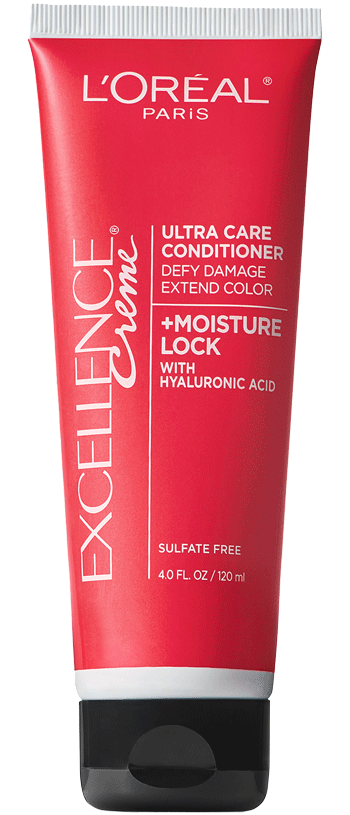
Bleaching and coloring your hair can strip hair of its natural moisture, leaving it feeling dry, brittle, and prone to breakage. Incorporating a rich, nourishing hair mask into your regular routine can help replenish lost hydration, strengthen the hair shaft, and restore elasticity. Look for masks specifically designed for color-treated or damaged hair to provide targeted care. If you need a recommendation, we love the L’Oréal Paris Excellence Moisture Lock Ultra Care Conditioner, which contains hyaluronic acid and helps replenish moisture while extending the longevity of your hair color for vibrant, healthy-looking strands.

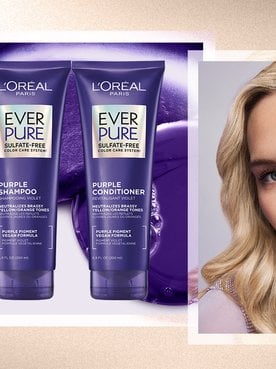
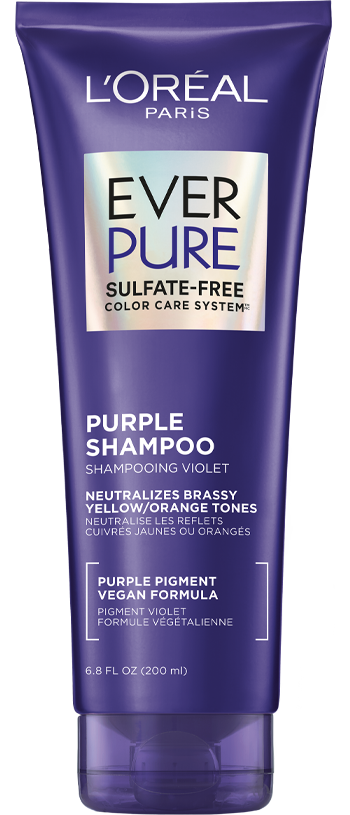
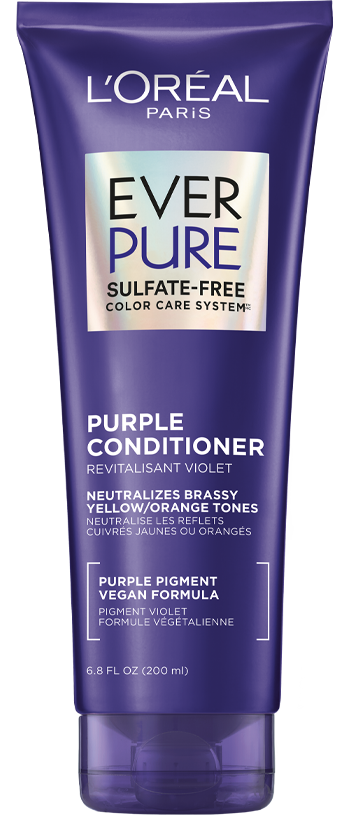
Color-treated blonde hair is prone to brassiness—in other words, it can take on a warm, yellowish tone over time. This is especially common when going from dark brown to blonde hair, as darker pigments often reveal warm undertones during the lightening process. To help combat brass, consider adding a purple shampoo to your blonde hair care routine. These tinted formulas work by using complementary colors to neutralize unwanted yellow and orange hues. We recommend the L'Oréal Paris EverPure Sulfate-Free Purple Shampoo, which gently cleanses and helps neutralize brassy tones in blonde, silver, and bleached hair. Pair it with the coordinating L'Oréal Paris EverPure Sulfate-Free Purple Conditioner to help maintain a bright, brass-free blonde. Keep in mind that toning your hair too often can make your hair look silvery or even lavender; to avoid over-toning, we suggest using these products twice a week at most.
Hair glosses can be a fantastic tool to refresh your hair, especially if you notice your color starting to look dull between coloring sessions or salon visits. Some glosses, like the L'Oréal Paris EverPure Sulfate-Free Glossing 5-Min Lamination Mask, also help nourish and condition the hair. The color-safe formula delivers up to five days of intense, glass-like shine, leaving the hair soft, healthy-looking, and up to eight times smoother than untreated hair. We recommend using it two to three times a week for the best results.

Depending on your starting color, going from brown to blonde without bleach may be possible. However, the process ultimately hinges on your starting point and hair history.
When it's possible: If you have virgin (undyed) light brown hair and are aiming for a blonde shade only a few levels lighter, you might achieve this with a high-lift hair color. It's crucial to understand that while these products don't contain traditional bleach, they do utilize strong lightening agents to lift your natural pigment. This can be a less damaging option for a subtle light brown to blonde transformation.
When it's not realistic: For those with dark brown hair (or hair previously colored with darker dyes), achieving a true blonde without bleach is generally not realistic. Bleach opens the hair cuticle and neutralizes the pigment inside, creating a clean slate, of sorts, for your blonde dye to stick to. Without bleach, lighter hair colors simply won’t show up on a darker base—your coloring efforts will, essentially, go to waste.
Yes, you can dye your hair blonde over brown, but the process and outcome depend on your starting shade. For light brown hair aiming for a subtle brightening, high-lift blonde dyes might be sufficient. However, for significant transformations, especially from dark brown to blonde, pre-lightening with bleach is almost always necessary to achieve a true blonde hue.
In most cases, yes, you need to bleach brown hair to dye it blonde, particularly when going from dark brown to blonde. Bleach is required to lift the natural dark pigment enough to allow a blonde dye to show effectively. For very light brown hair and a subtle color change, some high-lift dyes can achieve a blonde result without traditional bleach.
Going from brunette to blonde hair with bleach will always cause some degree of damage, as the process alters the hair's structure. The extent of damage depends on factors like your hair's condition, its history, the number of lightening sessions, and aftercare. Proper preparation and consistent bond-strengthening treatments can help minimize this damage and maintain hair health during your brown-to-blonde journey.
After going from brown to blonde, you’ll typically need root touch-ups every six to eight weeks to maintain your color. This timeframe allows for managing new growth without a harsh line of demarcation. The exact frequency can vary based on your hair's growth rate and how noticeable you find your roots. That said, you can always rock blonde hair with dark roots—the contrast creates a cool, grungy effect.
Yes, balayage is generally less damaging than an all-over blonde application. This is because balayage involves painting highlights strategically, often leaving some natural base color, meaning less hair is subjected to bleach. Its soft, blended grow-out also often requires less frequent touch-ups, further reducing chemical exposure over time.
Next Up: At-Home Hair Dye For Dark Hair Without Bleach
Photo courtesy of L’Oréal Paris

This site is intended for US consumers. Cookies and related technology are used for advertising. To learn more, or opt-out, visit AdChoices and our privacy policy.
Your Privacy Choices
 Notice at Collection