What Makes a Good Anti-Aging Cream? 11 Ingredients To Look For
These ingredients can help support a radiant, youthful complexion.




We’ve said it before, and we’ll say it again: It’s never too early (or late) to begin an anti-aging skincare routine. Whether you’re focused on prevention, repair, or have a specific concern you’d like to target, the right ingredients can make a noticeable difference in how your skin looks and feels. Though what makes a good anti-aging creamgreat depends on your individual needs, there are a few standout ingredients we consistently recommend prioritizing when anti-aging is your focus.
Ahead, discover 11 of the best anti-aging ingredients worth adding to your routine, plus a look at some of our top anti-aging products to help support a youthful, healthy-looking complexion.
If you’re a fan of skincare, you’re likely familiar with vitamin C—this powerful antioxidant is a popular pick for supporting radiant, youthful-looking skin. Its list of benefits is long, but it’s best known for its ability to help brighten and firm the skin. As an antioxidant, vitamin C can also help protect your skin from damaging external stressors, such as air pollution.
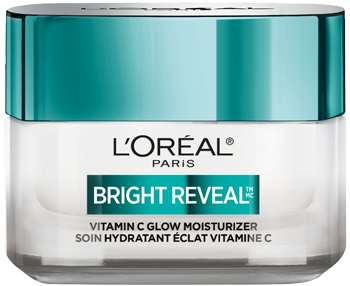
There are numerous ways you can incorporate this anti-aging ingredient into your routine, including with vitamin C serums, toners, and moisturizers. If you’re looking for something in the latter category, try the L’Oréal Paris Bright Reveal Vitamin C Glow Moisturizer. The non-comedogenic formula provides up to 72 hours of hydration and helps to brighten, smooth, and nourish the skin from the very first use. You can use it morning and night, but remember to follow up with a broad-spectrum sunscreen if you’ll be spending time outdoors during the daylight hours.



Niacinamide is a form of vitamin B3 that, when used topically, can help address a range of concerns, from discoloration to dryness and sensitivity. It’s often included in anti-aging moisturizers to help lock in moisture and support a balanced, healthy-looking complexion.
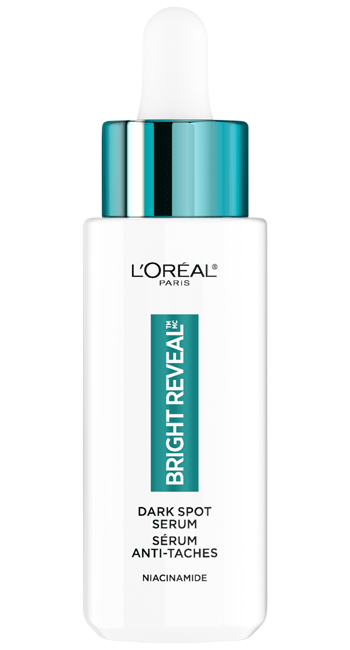
As with vitamin C, there are several ways to incorporate niacinamide into your routine. However, one of our favorite ways is with a serum, such as the L’Oréal Paris Bright Reveal 12% [Niacinamide + Amino Sulfonic + Ferulic Acid] Dark Spot Serum. This powerful formula works quickly to help fade the look of dark spots and discolorations, including those caused by aging and sun exposure. With daily use, you’ll notice an improvement in your skin’s texture and tone in as little as one week.

Ferulic acid is a plant-derived antioxidant commonly used in anti-aging skincare products to help support the skin’s defense against environmental stressors like UV exposure and pollution, which are known to contribute to visible signs of aging. Some evidence suggests that using skincare products with ferulic acid can help minimize the look of dark spots and discolorations and improve the skin’s overall radiance. However, ferulic acid isn’t usually used alone. Most commonly, it’s paired with other antioxidants (such as vitamin C or vitamin E), as research shows it has a synergistic effect with these ingredients and can help enhance their overall efficacy. You can find ferulic acid in the aforementioned dark spot serum alongside niacinamide and amino sulfonic acid, a gentle exfoliant.
According to the Cleveland Clinic, collagen is a structural protein that plays a key role in maintaining skin’s firmness, elasticity, and overall support. As we age, natural collagen production gradually declines, which can lead to thinner skin and the development of fine lines and wrinkles over time. Though research suggests that topical collagen doesn’t penetrate deeply enough to replace the collagen your body loses, it can still be a beneficial addition to your skincare routine. When used in a moisturizer, collagen can help attract and retain moisture at the skin’s surface, supporting a smoother, plumper appearance and a more youthful-looking complexion—especially when paired with other hydrating and collagen-supporting ingredients.
For smooth, hydrated skin that feels firm and bouncy, consider adding the L’Oréal Paris Collagen Filler Facial Anti-Aging Moisturizer to your routine. The lightweight gel cream boasts a refreshing, non-greasy texture and delivers up to 48 hours of hydration to help smooth and plump your skin.

It would be a disservice to discuss the best anti-wrinkle ingredients without mentioning retinol. This vitamin A derivative is beloved by dermatologists (and skincare enthusiasts) for its ability to help smooth wrinkles and firm aging skin. Retinol also helps encourage skin cell turnover, which can improve the appearance of dullness (a common concern for those with dry, mature skin).
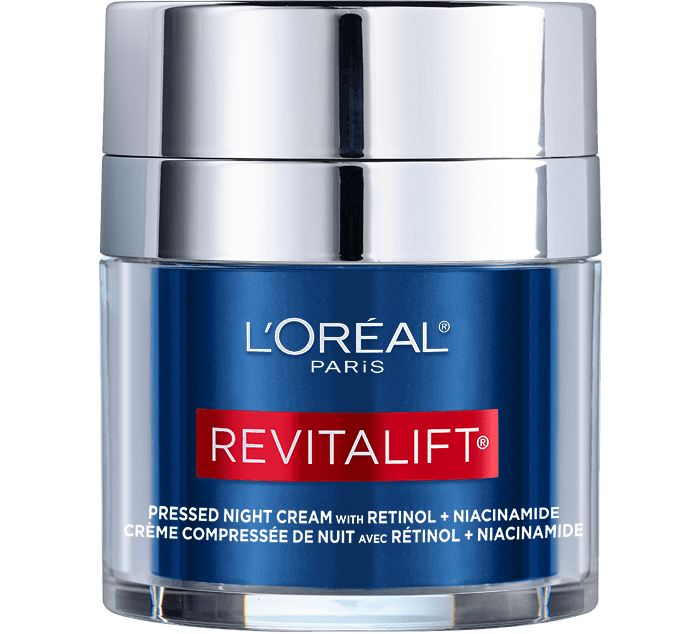
When adding retinol to your routine, it’s important to start slowly—using too much too quickly can leave your skin feeling dry or irritated. If you’re a first-time retinol user, we suggest starting with the L’Oréal Paris RevitaLift Pressed Night Moisturizer with Retinol + Niacinamide. The gentle formula contains a 12% complex of soothing ingredients to help offset the potential drying effects of retinol. Plus, it’s non-comedogenic, fragrance-free, and suitable for all skin types. We suggest applying it to clean skin twice per week (at night) to start. As your skin acclimates, you can gradually work your way up to nightly usage.

Glycolic acid is an alpha-hydroxy acid (AHA) that helps support skin renewal by gently exfoliating the surface of the skin. As we age, cell turnover naturally slows, which can cause dead skin cells to build up, often leading to dullness, uneven texture, and the appearance of fine lines. By helping to loosen and remove these surface cells, glycolic acid can promote a smoother, brighter-looking complexion.
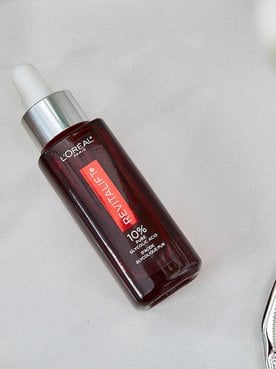
You can add glycolic acid to your everyday routine with an exfoliating face serum, like the L’Oréal Paris RevitaLift 10% Pure Glycolic Acid Serum. The gentle, fragrance-free formula immediately leaves the skin feeling smooth and refined, while consistent use helps to support a more even-toned, youthful-looking complexion.
Hyaluronic acid is a powerful humectant that famously holds up to 1,000 times its weight in water. When used in skincare, this naturally occurring molecule can help draw moisture into the skin, leaving it feeling soft and hydrated. Hyaluronic acid is also a popular anti-wrinkle cream ingredient, as it can temporarily plump the skin’s appearance, making fine lines and wrinkles less noticeable.
To reap the benefits of this gentle anti-aging ingredient, reach for the L’Oréal Paris RevitaLift Micro Hyaluronic Acid + Ceramides Line-Plumping Water Cream. The fast-absorbing formula immediately hydrates and plumps the skin, improving the look of fine lines in as little as two weeks. With consistent use, it helps to support a more supple, youthful-looking complexion. Though this daily moisturizer is suitable for all skin types, its non-greasy, water-based formula is especially well-suited for those with oily or combination skin.
Ceramides are naturally occurring lipids that play an important role in maintaining the skin barrier. As we age, ceramide levels can decline, which may lead to dryness, sensitivity, and a weakened barrier that’s more prone to irritation and moisture loss. Using skincare products that contain ceramides can replenish these essential lipids, which, in turn, helps support hydrated, healthy-looking skin.
You can find ceramides in countless skincare products, including the aforementioned water cream. Use it morning and night after applying your facial serum to help lock in moisture and promote dewy, radiant-looking skin.



According to the Cleveland Clinic, peptides are short chains of amino acids that make up the building blocks of proteins, including collagen and elastin. When used topically, peptides are believed to help support your skin’s natural production of these proteins, which can help promote a firmer, more youthful-looking complexion.
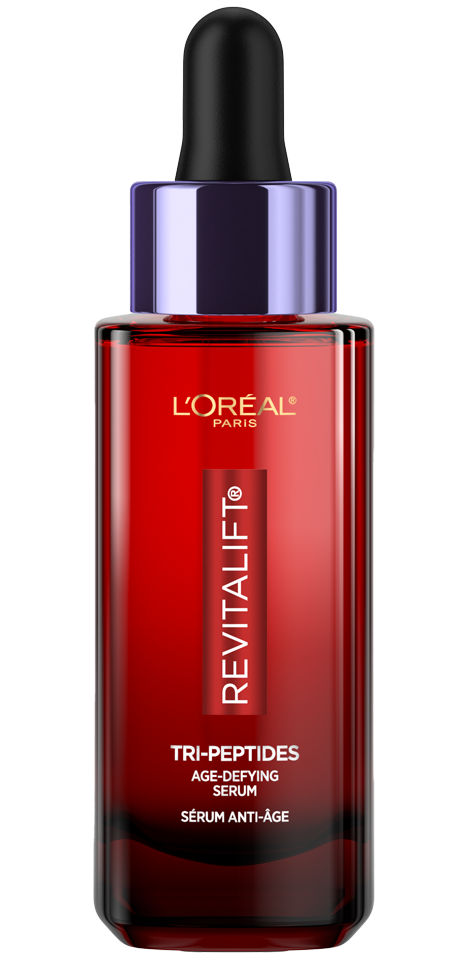
If you’re curious about adding peptides to your routine but aren’t sure where to start, we recommend reaching for a daily-use serum, like the L’Oréal Paris RevitaLift Triple Power Age-Defying Serum. It’s formulated with a triple-peptide complex and is designed specifically to target age-related skin concerns, including uneven tone and texture. In one use, your skin will feel smoother and more hydrated, while continued use over time visibly reduces wrinkles, firms, and evens the skin.
Vitamin E is an antioxidant that helps support the skin’s defense against environmental stressors, such as harsh weather or air pollution. When used topically, it can help moisturize and protect the skin to support a supple, healthy-looking complexion. Because of its moisturizing properties, vitamin E is among the best anti-wrinkle cream ingredients for those with dry skin in need of deep, long-lasting moisture.
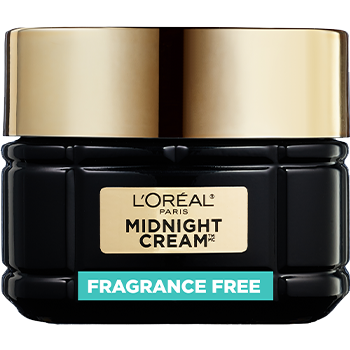
To add this nourishing antioxidant to your routine, reach for the L’Oréal Paris Age Perfect Skin Care Cell Renewal Midnight Cream. This luxurious moisturizer is packed with anti-aging ingredients, including vitamin E and an antioxidant complex derived from bitter orange. Apply it to clean skin in the evening before going to bed. The powerful formula helps support your skin’s natural overnight repair processes, replenishing the skin barrier while you sleep to reveal a more radiant, youthful complexion by morning. Over time, you’ll notice an improvement in the appearance of fine lines and wrinkles, too.
Investing in a good anti-aging cream can certainly help you reach your skincare goals. However, research published in Clinical, Cosmetic, and Investigational Dermatology shows that sun exposure is responsible for up to 80% of premature skin aging—which means that the best way to maintain a youthful complexion is to protect your skin from the sun. For adequate protection, the United States Food and Drug Administration (FDA) advises wearing a broad-spectrum sunscreen with an SPF of at least 15 every day, rain or shine.
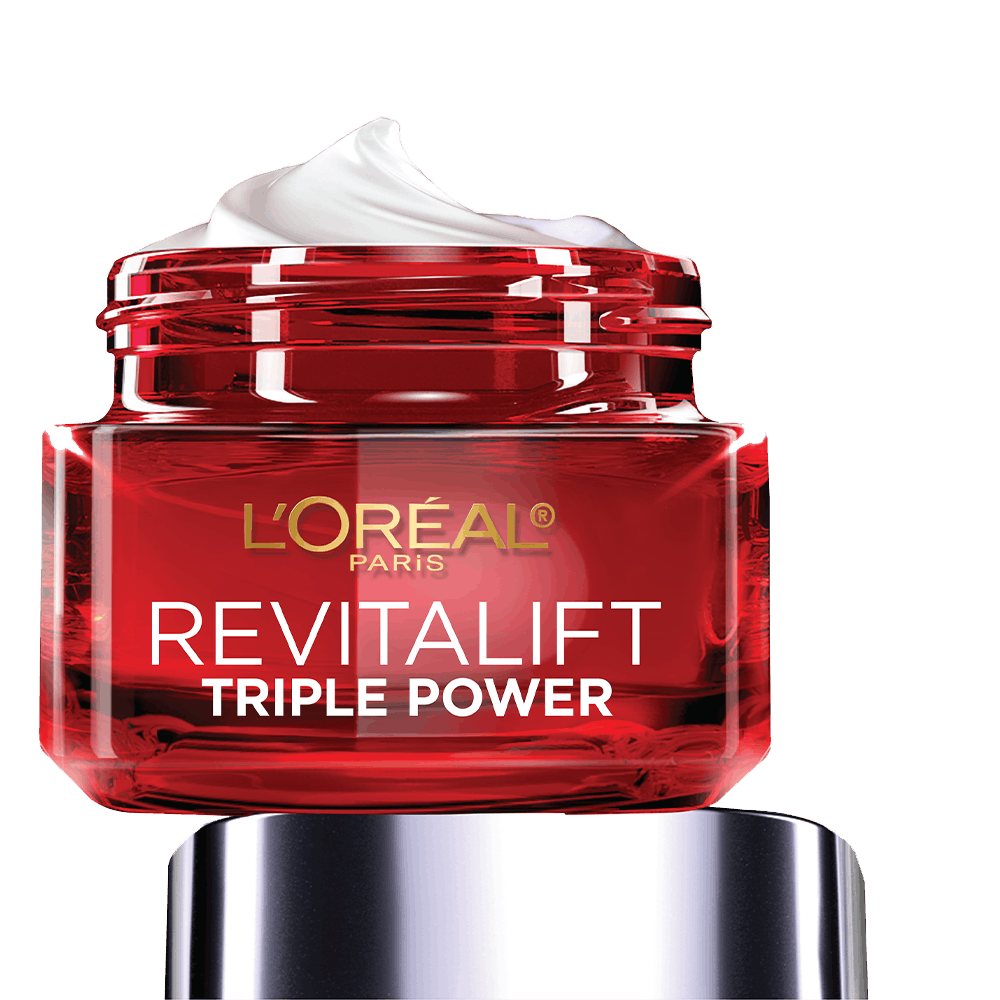
To amplify the skin benefits, try a formula made with anti-aging ingredients, such as the L’Oréal Paris RevitaLift Triple Power Moisturizer with SPF 30. It’s packed with hyaluronic acid, pro-retinol, and vitamin C, and helps smooth and firm the skin while shielding it against damaging UV rays. Use it as your daily facial moisturizer to help keep your skin smooth, soft, and protected.
Editor’s note: Keep in mind that wearing sunscreen is only part of an effective sun protection strategy. It’s also a good idea to stick to the shade when possible and wear protective clothing when in direct sunlight.


When it comes to finding a good anti-aging cream, it’s important to recognize there’s no one-size-fits-all solution. The best anti-aging cream for you depends on your skin type, your top concerns, and how your skin responds to certain ingredients. Here’s a quick look at what to seek out based on your skin type and concerns:
You can start using anti-aging products whenever it makes sense for your skin, whether that’s for prevention in your 20s or repair later on. Many people begin by focusing on hydration, antioxidants, and daily sunscreen early on, then add targeted ingredients as concerns like fine lines or uneven tone appear.
Some anti-aging ingredients can be paired together, but not all of them work well when layered. Gentle ingredients like hyaluronic acid and ceramides generally fit easily into most routines, while stronger actives—such as exfoliating acids and retinoids—can be irritating if combined with certain ingredients. If you’re ever unsure, use a product already formulated with your chosen ingredients or consult your dermatologist for guidance.
Results from anti-aging creams vary, but many people notice an immediate improvement in skin hydration and radiance. Minimizing the appearance of stubborn concerns like dark spots or wrinkles can take longer. The Cleveland Clinic notes you should begin to see noticeable results within three months of starting a new routine, so long as it’s suitable for your skin type and you remain consistent.
Next Up: How To Build the Best Skincare Routine In Your 50s
Photo courtesy of L’Oréal Paris

This site is intended for US consumers. Cookies and related technology are used for advertising. To learn more, or opt-out, visit AdChoices and our privacy policy.
Your Privacy Choices
 Notice at Collection