How To Use Hair Oil Without Making Your Hair Greasy
Transform dry, brittle hair into radiant locks




Overview
How to use hair oil correctly comes down to applying the product strictly to the mid-lengths and ends and adjusting the amount based on your natural hair texture. Using lightweight formulas infused with botanical extracts allows strands to absorb deep nourishment, provides heat protection up to 450°F, and controls frizz without leaving behind a heavy or greasy residue.
If you have ever wondered how to use hair oil without leaving your strands looking greasy, flat, or slick, you are not alone. The trick is to focus application strictly on the mid-lengths to ends, keeping product completely away from your scalp. Start with one pump, rub palms together to distribute evenly, and press into damp or dry strands.
Lightweight formulas, such as the L'Oréal Paris Elvive Extraordinary Oil infused with precious botanical extracts like Marula and Camellia oils, absorb instantly, leaving shine and smoothness without heavy residue. With formulas like this one, you can get intense nourishment while maintaining a weightless feel.
Knowing how to apply hair oil correctly is the key to transforming dry, lackluster locks into a glossy, healthy-looking mane without any unwanted residue. Read ahead to learn how to oil hair properly so that your strands absorb all the hydrating benefits while keeping your natural volume completely intact.


The secret to non-greasy hair oiling lies in proper distribution and correct dosage. Always warm the product between your palms first, then work from the bottom up to ensure even application.
When mastering how to apply oil to your hair, your hair texture dictates the exact number of pumps needed to achieve balance.
| Hair Type / Texture | Recommended Dosage | Focus Area | Primary Benefit |
| Fine or Thin Hair | 1 pump (or half-pump) | Ends only | Lightweight shine & flyaway control |
| Medium or Straight Hair | 1–2 pumps | Mid-lengths to ends | 75% less frizz & 3x smoothness |
| Thick, Coarse, or Curly Hair | 2–3 pumps | Mid-lengths to ends | Deep nourishment & curl definition |
| High Porosity / Damaged Hair | 2–3 pumps | Full lengths (avoiding roots) | 450°F (230°C) heat protection & repair |
Unless you are pre-cleansing, avoid direct scalp application. Focusing on oiling for dry hair at the ends prevents clogged follicles and preserves natural root lift.
Try the L'Oréal Paris Elvive Extraordinary Oil, which is designed to add shine and smoothness, provide up to 450°F heat protection, and reduce frizz. This multi-use product is suitable for all hair types, including straight, curly, thick, and thin hair.
Hair oil can be applied to both wet and dry hair, depending on your specific styling goals. Damp hair absorbs oil for deep moisture lock and heat protection, while dry hair benefits from immediate surface radiance and frizz smoothing.
Applying oil to clean, towel-dried hair prior to blow-drying seals in essential moisture and prepares your strands for thermal styling. When used on damp hair, high-performance formulas shield hair fibers against heat damage up to 450°F. So if you’re wondering when to use hair oil in your post-wash routine, applying it right after you finish showering or after dampening your hair creates a smooth, fortified canvas before introducing heat.
Applying 1 drop of oil to dry hair post-styling tames unruly flyaways, boosts radiance with up to 2x more shine, and reduces frizz by 75%. If you are searching for the best hair oil for dry and frizzy hair, applying a lightweight formula to dry ends creates an immediate polish without disturbing your finished style.
L’Oréal Paris Elvive Extraordinary Oil is a luxurious, multi-use treatment formulated with Marula and Camellia oils to transform dry strands into silky perfection. Here are a few ways this extraordinary hair oil can take your strands to the next level of hydration, smoothness, and more.

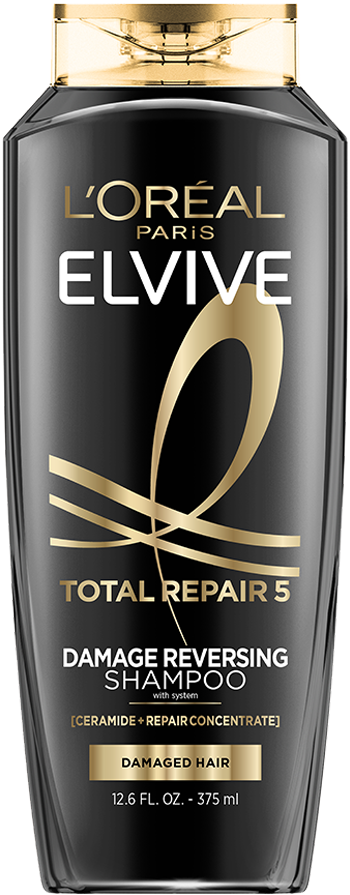
Apply 2 to 3 pumps to dry hair 10 to 15 minutes before washing to protect strands against moisture loss during cleansing. This pre-wash layer prevents harsh surfactants from stripping essential hydration. Rinse thoroughly using a repairing shampoo such as the L’Oréal Paris Elvive Total Repair 5 Repairing Shampoo, a rich cleanser formulated with protein and ceramide to repair damaged hair fibers.
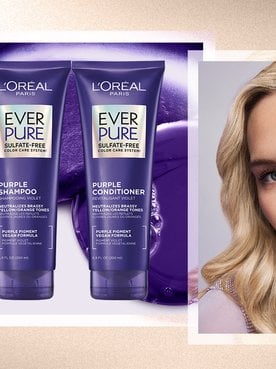
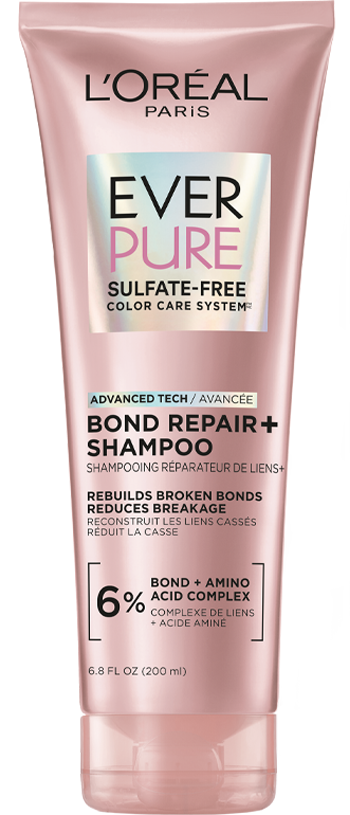
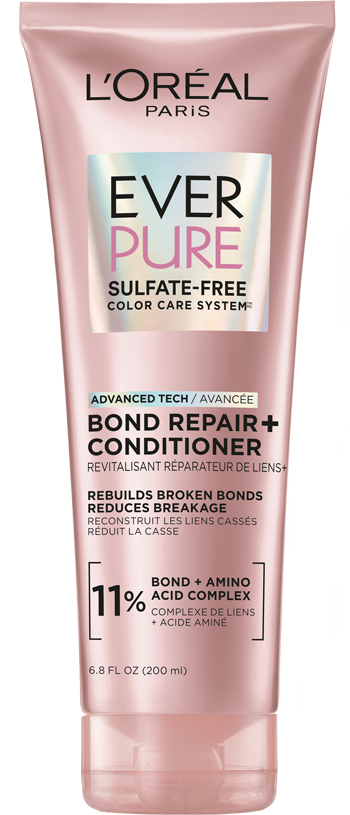
Another great option is the L'Oréal Paris EverPure Sulfate-Free Bond Repair+ Shampoo, formulated with Bond + Amino Acid Complex to rebuild your strands and protect them from future damage. Complement it with the L'Oréal Paris EverPure Sulfate-Free Bond Repair+ Conditioner for a complete repairing routine.

Distribute 1 to 2 pumps through towel-dried hair from mid-lengths to ends before using any hot tools. This lightweight barrier shields strands against heat damage up to 450°F while speeding up blow-dry time.
Warm a single pump between your palms and lightly sweep over finished styles to seal open cuticles, lock out humidity, and boost radiance. If you are trying to understand what is hair oil and how it functions as a styler, this works as a topcoat for hair that adds reflection without stiffness.
Apply 2 to 3 pumps generously to mid-lengths and ends before bed to wake up to touchably soft, deeply nourished strands. This deep conditioning treatment works overnight to revitalize brittle textures.
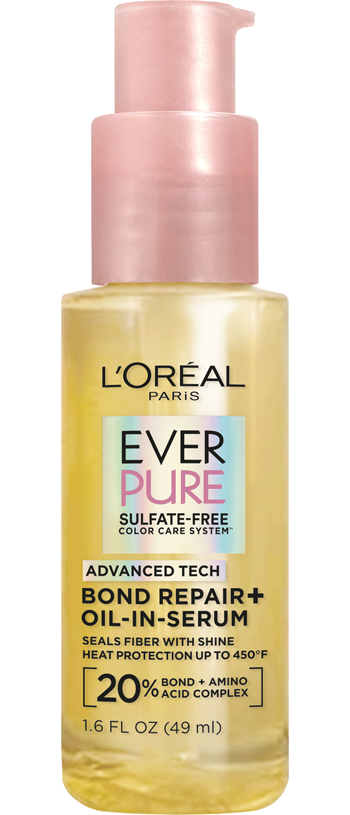
If you’re looking to repair compromised strands, you can also integrate the L'Oréal Paris EverPure Bond Repair+ Oil-in-Serum into your weekly routine. This is a leave-in treatment that strengthens weak hair bonds while enhancing overall softness.

Next Up: How To Moisturize Dry Hair For Shiny, Healthy-Looking Strands
Photo courtesy of L’Oréal Paris

This site is intended for US consumers. Cookies and related technology are used for advertising. To learn more, or opt-out, visit AdChoices and our privacy policy.
Your Privacy Choices
 Notice at Collection