How To Find The Best Makeup For Mature Skin
The secret is hydration, weightless textures, and skincare-infused formulas that refuse to cake.




Overview
When shopping for drugstore makeup for mature skin, focus on lightweight, skincare-infused formulas that deliver hydration while resisting caking or settling into fine lines. Liquid and cream formulas, such as tinted balms, serum-infused primers, and cream blushes, provide coverage with a radiant finish, leaving your skin looking fresh and youthful.
As skin matures, changes in moisture levels, texture, and skin laxity can affect how makeup applies and wears throughout the day. The best makeup for mature skin is formulated with these changes in mind, providing natural-looking coverage that won’t settle into fine lines or emphasize unevenness. Many also offer skincare benefits to support healthy-looking skin in both the short and long term.
You don’t have to splurge on prestige products to find formulas that work well for mature skin, either. There’s plenty of high-quality drugstore makeup for mature skin worth your money. Keep reading to discover which ingredients and textures to look for when shopping for makeup for mature skin, plus a simple step-by-step routine for creating a natural, fresh look ideal for any occasion.
Skincare-infused makeup works well for mature skin because it combines coverage with ingredients that support common skin concerns. As skin matures, it can become drier and lose some elasticity, making lightweight, comfortable formulas with skin-supporting ingredients a better fit than heavy, matte textures that may emphasize dryness and fine lines.
Over time, skin also tends to produce less oil and lose some of its natural bounce, which can leave the complexion feeling tight or looking dull. Heavy, matte formulas can cling to dry patches and settle into expression lines, making texture more noticeable rather than creating the smooth finish you’re after. Depending on the formula, skincare-infused makeup can offer benefits such as hydration, brightening, smoothing, or blurring alongside coverage.
The best part: You don’t need to spend a premium for these benefits. In fact, some of the best makeup for aging skin is available at the drugstore. The key when shopping for makeup for mature skin isn’t to spend more money—it’s to know exactly what formulas (and ingredients) can provide the benefits you’re seeking.
First things first: There’s no single best foundation for aging skin—ultimately, “best” depends on your skin type, needs, and preferences. However, some of the most effective options feature ingredients and formula types that help makeup apply smoothly and feel comfortable throughout the day:
Knowing what to look for can make it easier to find foundation makeup for mature skin that suits your needs, whether you prefer full coverage or a sheer, lightweight finish.
When building a makeup routine for mature skin, less is often more. Using lightweight, hydrating products and applying them in the right order are key for creating an even, natural-looking finish without emphasizing texture. Follow these five steps for a smooth, dewy complexion that lasts.
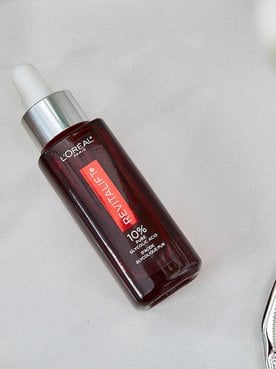
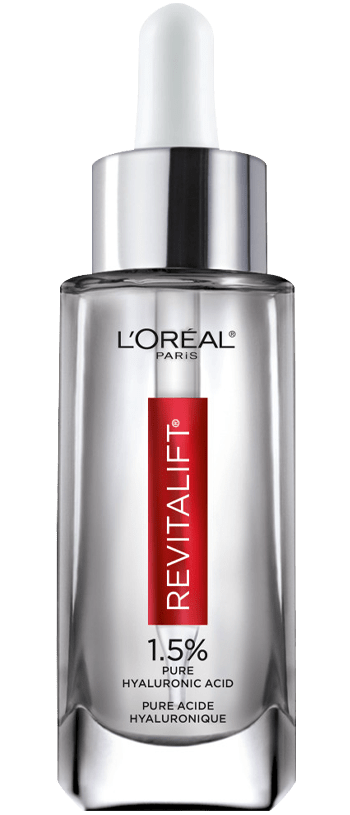
Makeup application really starts with skincare, so gently cleanse, apply a hydrating serum such as the L'Oréal Paris RevitaLift Derm Intensives 1.5% Pure Hyaluronic Acid Serum, and let it absorb before anything else.
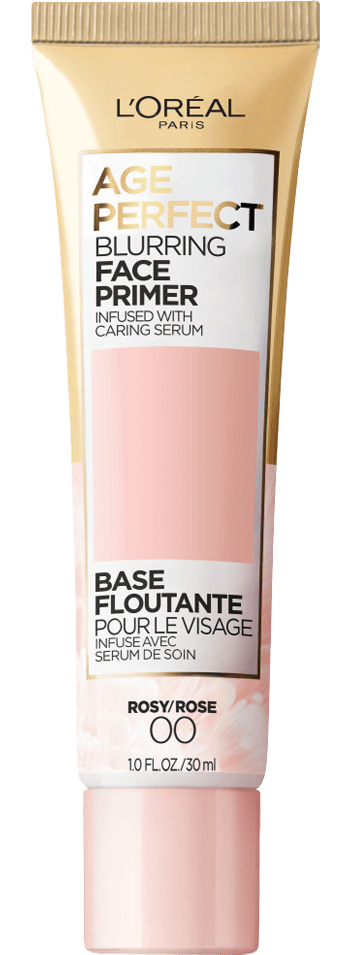
Then, smooth on the L'Oréal Paris Age Perfect Makeup Blurring Face Primer Infused with Serum, a serum-infused primer with a rosy formula that instantly blurs the look of pores, lines, and uneven texture. Dot a pea-sized amount over your cheeks, forehead, and chin, then pat it in with your fingertips to create a velvety, soft-focus base that helps everything after it glide on evenly.



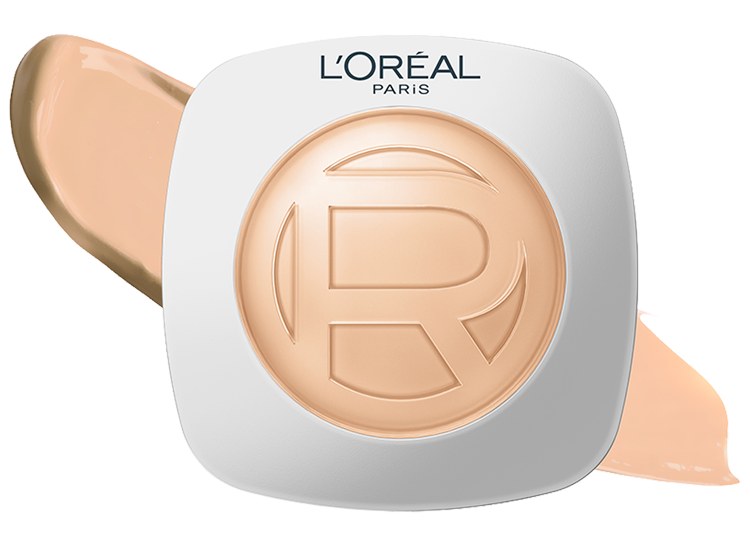
Next comes foundation. Choosing the right formula can be the difference between a dewy, fresh makeup look and one that looks flat or cakey. If you’ve been on the hunt for the best foundation for older women, we suggest giving the L'Oréal Paris True Match Hyaluron Tinted Balm Foundation a try. The hydrating tinted balm is built on an 80% skincare base with hyaluronic acid, giving buildable light-to-medium radiant coverage that never feels cakey or greasy. Plus, it melts in and flexes with your skin, so you won’t have to worry about it creasing or settling into fine lines.
Use the built-in teardrop applicator or your fingertips to warm a little product, then start at the center of your face and blend outward so coverage sheers naturally toward the edges. Build a second thin layer only where you want more evenness.
If shade matching trips you up, this guide to finding your foundation shade can help.

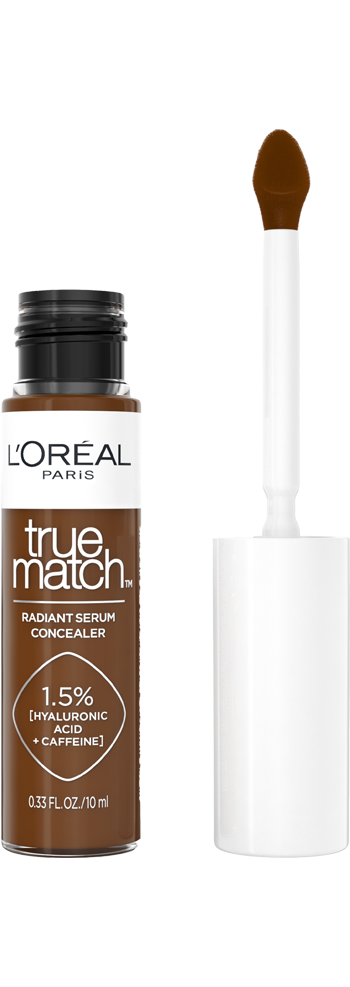
For a rested look, use a lightweight, serum-infused concealer like the L'Oréal Paris True Match Radiant Serum Concealer only where you need it, such as beneath the eyes. Tap it in gently with your ring finger using light patting motions, since dragging can tug delicate skin and push product into fine lines. Less is more here, so blend a small amount well rather than layering on more.

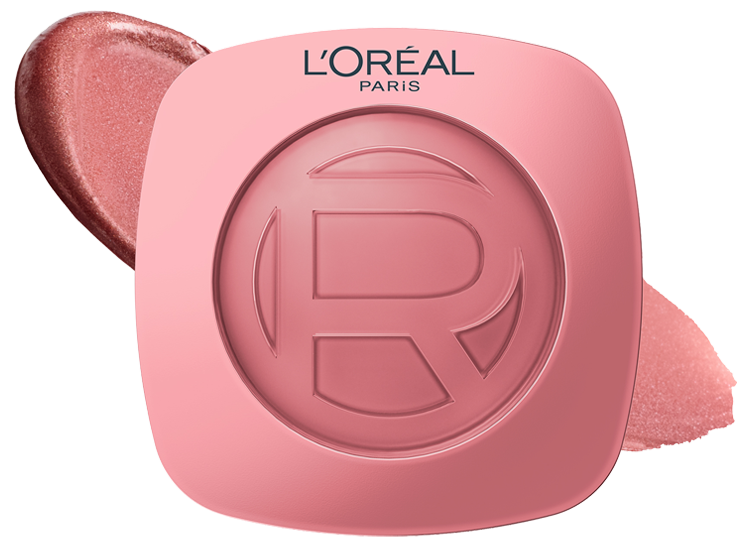
Cream and balm blushes beat powders for mature cheeks because they melt into skin for a fresh, lifted glow instead of sitting on top of texture. Reach for the L'Oréal Paris True Match Hyaluron Tinted Balm Embellisher, a hybrid cream balm that pairs a flush of color with a luminous highlighter finish. It is also built on an 80% skincare base with hyaluronic acid to hydrate your skin for a dewy finish.
Tap a small amount high on the cheekbones and blend up toward the temples for a lifted, radiant look that won’t emphasize pores or fine lines. For more placement tips, check out our guide to where to apply blush for your face shape.

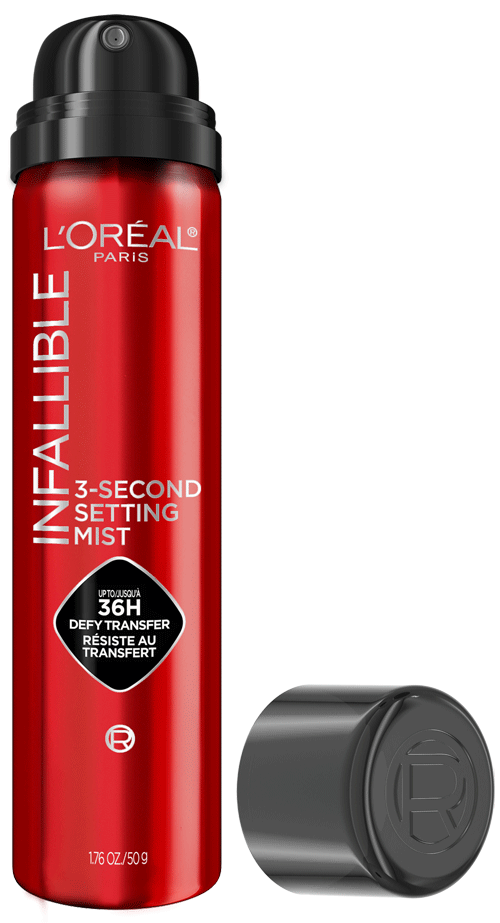
To set your makeup, skip heavy translucent powders, which collect in fine lines and flatten your glow, and set with a fine mist instead. The L'Oréal Paris Infallible 3-Second Setting Mist is a micro-fine aerosol that locks makeup in place for up to 36 hours without water drops or white marks. Hold it at arm's length and spray in an X and then a T motion across your face, then let it dry on its own for up to 36 hours of uninterrupted makeup wear.
The right formula comes down to your skin type and the coverage you want, so match the texture to your needs rather than defaulting to what you’ve always used. Use this quick comparison to find your best fit, keeping in mind that the best foundation makeup for older women is usually one with a hydrating, lightweight liquid or cream formula.
| Foundation Type | Product Pick | Best For | Finish and Coverage | Key Benefit for Mature Skin |
| Balm foundation | L'Oréal Paris True Match Hyaluron Tinted Balm Foundation | Dry, textured, or fine-line-prone skin | Radiant; light-to-medium buildable | 80% skincare base melts into skin with zero caking |
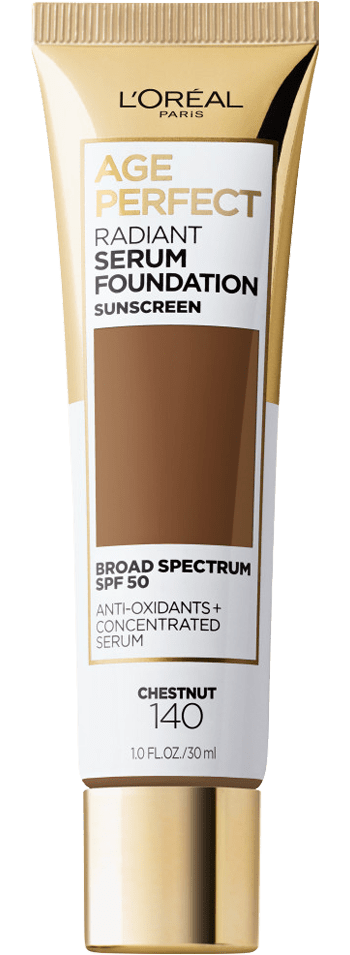
| Liquid foundation | L'Oréal Paris Age Perfect Makeup Radiant Serum Foundation with SPF 50 | Discoloration, redness, daily wear | Luminous; medium buildable | Hydrating liquid base with broad-spectrum SPF 50 |
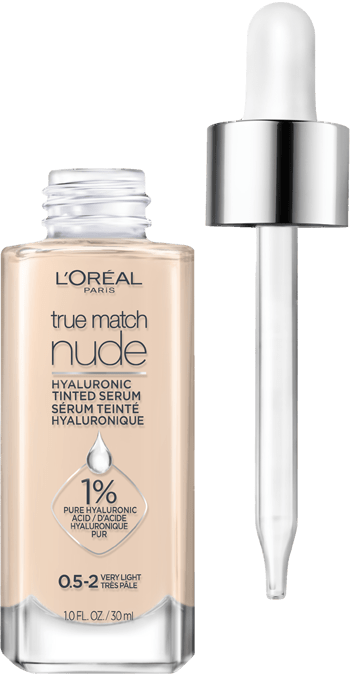
| Serum foundation | L’Oréal Paris True Match Nude Hyaluronic Tinted Serum | Dry, dehydrated, or dull skin | Luminous; sheer | Hydrates to help smooth and plump skin over time |
Overall, the L'Oréal Paris True Match Hyaluron Tinted Balm Foundation (below) is our top pick for mature skin. However, it’s far from your only option.
For no-makeup makeup days, we love the L’Oréal Paris True Match Nude Hyaluronic Tinted Serum. It blends hyaluronic acid with luminous mineral pigments to hydrate and subtly even out your complexion. For those who prefer a more robust finish but favor liquid foundations over balms, the L'Oréal Paris Age Perfect Makeup Radiant Serum Foundation with SPF 50 is a standout. This hydrating serum foundation with vitamin B3 and broad-spectrum SPF 50 provides medium, buildable coverage while unifying tone and smoothing the look of fine lines.

Even great products can work against you when applied incorrectly. Avoid these common makeup mistakes that can emphasize texture and make your complexion look less smooth:
Avoiding these common mistakes can help keep your makeup looking soft and radiant. Following a few mature skin care rules can also help support a smooth-looking complexion before you even reach for your makeup.
Next Up: Best Skincare for Aging Skin & Tips for Your Routine
Photo courtesy of L’Oréal Paris

This site is intended for US consumers. Cookies and related technology are used for advertising. To learn more, or opt-out, visit AdChoices and our privacy policy.
Your Privacy Choices
 Notice at Collection