12 Frizzy Hair Tips to Help Tame Your Mane
Keep flyaways under control




Frizzy hair can show up on any texture, length, or routine, and it tends to appear right when you want smooth, defined strands. Whether your hair is straight, wavy, or frizzy curly hair, those halo flyaways usually trace back to one thing: your hair is craving moisture or protection. When you understand what causes frizzy hair, you can choose habits and anti-frizz products that keep your style polished instead of frazzled.
Read on to learn how to tame frizzy hair with a mix of smart techniques and the best products for frizzy hair.
Frizzy hair is usually the result of a few overlapping factors that change how the cuticle sits and how much water your strands hold. Understanding what causes frizzy hair makes it easier to adjust your routine and choose products that keep your texture smoother.
Here are the main culprits:
To determine what causes frizzy hair, start by paying attention to how your hair behaves when it is wet and dry. Porosity is how easily your hair absorbs and holds water, and different porosity levels react to moisture in different ways, which is why some hair frizzes quickly while other hair stays smoother; noticing your hair's porosity helps you understand how to get rid of frizzy hair in a way that suits your texture.
If your hair soaks up water immediately in the shower and air-dries very fast, it likely has higher porosity and needs richer hydration, bond-repair systems, and creamy masks, whether you have straight strands, waves, or frizzy curly hair. Hair that takes longer to get fully wet and seems to dry slowly tends to have lower porosity and usually does best with lighter layers of leave-ins and serums that absorb easily instead of sitting on top and creating buildup.
When you want smoother strands, it helps to build a routine around formulas made for frizzrather than just grabbing any shampoo and conditioner. This kind of targeted routine gives frizzy hair more consistent care from wash to wash.
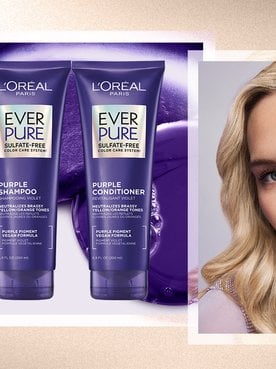
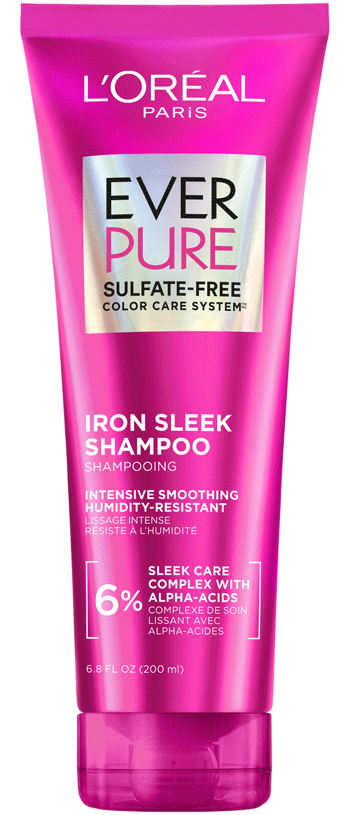
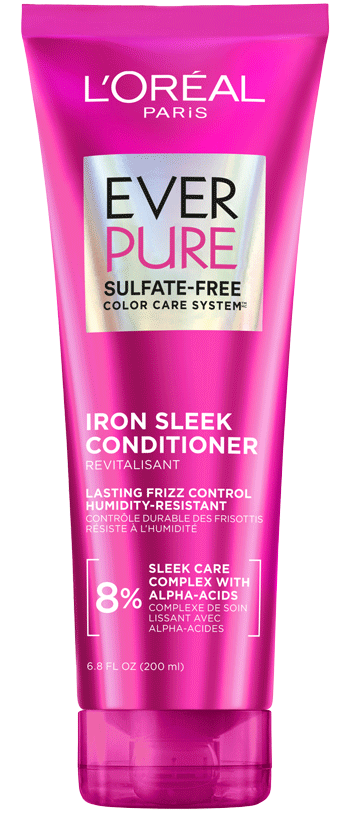
For a routine focused on smoothing and color care, you can reach for the EverPure anti-frizz system, including the L’Oréal Paris EverPure Sulfate Free Iron Sleek Shampoo, L’Oréal Paris EverPure Iron Sleek Smoothing Conditioner, and the L’Oréal Paris EverPure Sulfate Free Iron Sleek Coat, a semi-permanent anti-frizz treatment. This system gently cleanses and conditions while delivering sleekness that resists humidity and adds shine for up to 5 washes. Apply the shampoo to wet hair, massage into a lather, rinse, follow with conditioner, and use the coat treatment on damp hair before blow-drying with tension.



Once your wash routine is set, styling products seal the deal, either calming frizz or amplifying it throughout the day, especially in humid weather. This step makes a big difference when you are figuring out how to tame frizzy hair in different seasons. Lightweight mousses, smoothing creams, oils, anti-humidity sprays, gels, serums, and heat protective stylers create a flexible shield around the hair so humidity has a harder time swelling the strand, because this shield slows the rate at which water moves in and out of the hair, so strands stay smoother instead of expanding and frizzing up.
If you want to stop frizzy hair before it starts, reach for the L’Oreal Paris Elnett Anti-Frizz Slick Back Hair Styling Cream, which locks your hairstyle for 24 hours and is a lightweight formula that allows you to re-style with no crunch or visible residue. For lift plus control, tryL’Oréal Paris Advanced Hairstyle BOOST IT Volume Inject Mousse, which adds body at the roots while helping hair feel more touchable instead of crunchy. To sculpt and define styles that need extra hold, reach forL’Oréal Paris Studio Line Head Lock Mega Gel, and to lock everything in. You can also try a mist ofL’Oréal Paris Advanced Hairstyle Lock It Weather Control Hairspray, focusing on the mid-lengths and ends rather than the roots.


Using several frizz-triggering products together, such as strong-hold sprays plus repeated high heat, can significantly increase frizz, particularly on humid days.
Frizz often shows up when hair is roughed up with the wrong tools. Instead of dragging a fine-tooth brush through dry curls or waves, detangle in the shower with a wide-tooth comb, which glides through wet hair with less friction so the cuticle stays smoother. After detangling, gently distribute product while hair is still damp. For straight or wavy textures, a boar bristle brush can help distribute natural oils from roots to ends on dry hair, which smooths the surface, softens the look of flyaways, and gives hair a softer sheen so frizzy hair looks more polished.
When you encounter a knot, start from the ends and work upward instead of yanking from the root. Taking an extra minute to detangle carefully reduces breakage and surface roughness, both of which are sneaky causes of frizz and flyaway pieces that stick up around your part.
If your texture is wavy, curly, or coily, focus on low-friction methods that respect your curl pattern, especially if you are caring for frizzy curly hair. Many people with curls prefer finger-detangling in the shower with plenty of slip from conditioner, or using a detangling brush designed for curls on wet or very damp hair. Work in sections, keep your strokes slow and controlled, and follow the direction of your curl pattern so you separate knots without roughing up the cuticle and creating extra frizz.
Traditional terry towels can create a lot of friction against the hair cuticle, especially if you rub back and forth to soak up water. That extra friction is one of the everyday habits that can turn smooth strands into frizzy hair. That friction lifts and roughens the cuticle layer, which makes strands more likely to snag, lose moisture, and show frizz.
Friction from cotton pillowcases and tight elastics can leave you with a halo of fuzz by morning, because hair rubbing against rough cotton overnight can lift the cuticle, increase split ends, and make frizzy hair more noticeable.
If you're wondering how to stop frizzy hair, switch to a satin or silk pillowcase and consider a loose braid, high pineapple, or wrapping your hair in a silk or satin bonnet or scarf, especially if your texture is curly or coily. These smoother fabrics and looser styles reduce rubbing, so the cuticle stays more aligned while you sleep, and your ends stay better protected. On very humid nights, you can add a bonus layer of care by tying hair up high and misting a lightweight smoothing or anti-frizz spray through your mid-lengths and ends before bed.
Add to your routine a lightweight leave-in or bond-repair treatment so your hair can replenish while you rest. We like the L’Oréal Paris EverPure Sulfate Free Moisture 21-in-1 Leave-In Conditioner for Dry Hair for instant detangling, protection, and hydration, which helps hair feel softer the next day and can make frizzy hair easier to manage in the morning.


Split ends and surface damage tend to fray, which naturally reads as frizz, especially on the bottom few inches of your hair, because those rough ends raise the cuticle and catch humidity in the air. Regular trims every six to eight weeks, or at least twice a year if you are growing your hair long, remove those rough, uneven pieces so the perimeter of your haircut looks neater and feels smoother. You can ask your stylist for a light dusting that skims off split ends while keeping most of your length, or opt for a full-length cut when you want a more noticeable refresh. Think of your haircut as part of your frizz routine rather than just a way to change your length when you are working on how to get rid of frizzy hair over time.
Working with your hair’s natural pattern can often reduce the amount of heat, brushing, and manipulation it needs, which in turn helps cut down on frizz. Take a break from chemical and thermal stresses, such as bleaching, frequent coloring, relaxing, or perms, to give the cuticle time to recover so it sits flatter. A short detox period from these services, even for a few weeks, paired with strengthening bond-repair and cuticle-sealing treatments, can make hair feel smoother and more resilient.
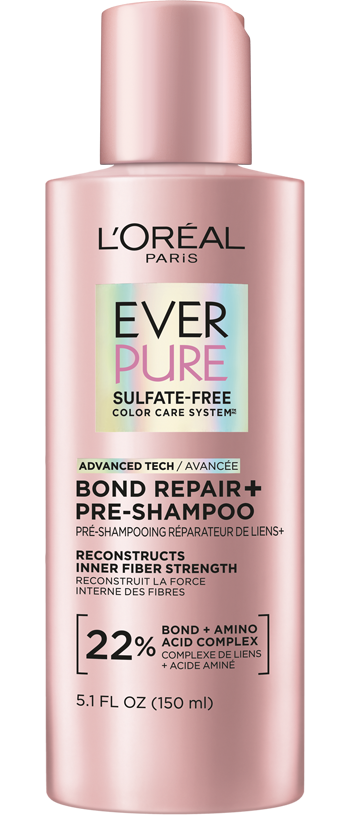
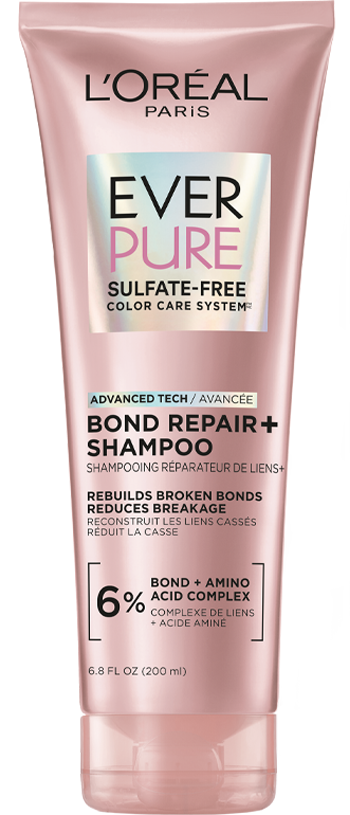
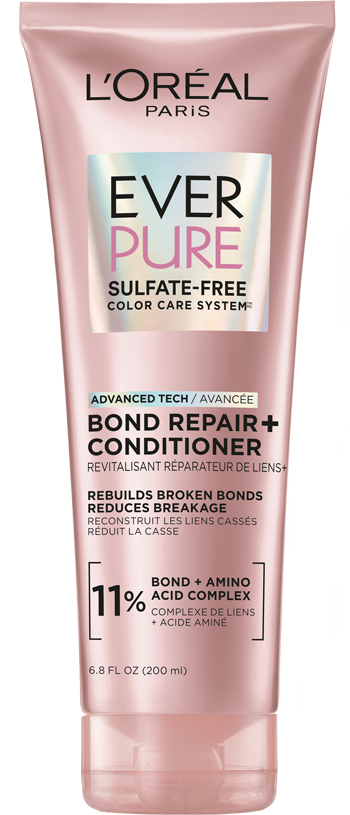
For a bond repair treatment, try the L'Oréal Paris EverPure Bond Strengthening Pre-Shampoo Treatment, then the L'Oréal Paris EverPure Sulfate-Free Bond Repair Shampoo with Citric Acid, followed by the L'Oréal Paris EverPure Sulfate-Free Bond Repair Conditioner with Citric Acid. This system will help reinforce weak bonds for strength and smoothness with intense hydration.
For a cuticle-sealing treatment, try the L'Oréal Paris EverPure Sulfate-Free Glossing 5-Min Lamination Hair Mask, formulated with glycolic acid to deliver up to five days of intense shine and smoother hair.
On days when you want to embrace your texture, apply a curl cream, mousse, or gel to damp hair and allow it to air-dry or diffuse on low heat. This approach preserves more of your hair’s natural movement while still giving you definition and shine. If you have textured or frizzy curly hair, cutting back on chemical processing can make those natural patterns look more defined and less frizzy over time.

Frizz is often a visible sign that your hair’s moisture and protein balance needs attention, and that your frizzy hair may need a more intentional care routine. While regular conditioner is designed for everyday slip and light hydration, a deep conditioner or mask stays on longer and usually contains a higher dose of moisturizing and strengthening ingredients to give the hair a more intensive reset.
If you keep wondering how to get rid of frizzy hair, try incorporating a deep conditioner once a week or bi-weekly. Depending on your hair’s condition, it can help restore softness and resilience, allowing the hair to better resist environmental stress. Nourishing oils or butters, proteins, or humectants support smoother, more flexible strands. Focus the product from mid-lengths to ends, where older hair tends to be drier and more porous.
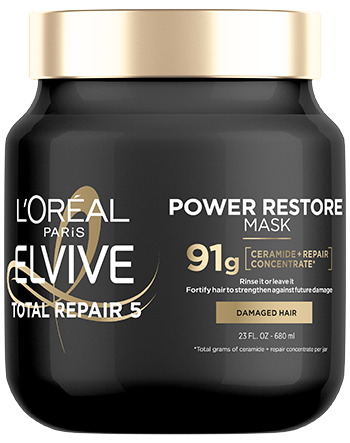
Try the L’Oréal Paris Elvive Total Repair 5 Power Restore Multi-Use Treatment, which can be used as a rinse-out mask or a leave-in on very damaged areas, depending on your hair’s needs. This type of treatment helps smooth the look of rough, brittle strands so they reflect more light and appear less frizzy over time.
Humidity is one of the biggest external triggers for frizz because when the cuticle is lifted, moisture from the air can move in and out of the hair more easily, causing strands to swell and lose their smooth alignment. On very humid days, your frizzy hair may need extra support, even if your basic routine stays the same.
You can build a small weather-proofing toolkit to help:


When frizz shows up at the hairline or on the crown, and you are short on time, a sleek style can turn frizzy hair into a deliberate look. Use a soft boar bristle brush or your fingertips to smooth hair back into a low bun, ponytail, braid, or simple protective style that tucks your ends away on high-frizz days. This keeps your face-framing pieces neat while still letting you embrace a bit of texture through the lengths.
Reach for accessories that are gentle on your hair, such as silk or satin scrunchies, and avoid very tight elastics; rotating where you place your ponytail or bun from day to day can also help reduce breakage and new frizz around your hairline. For a quick micro-tip, smooth a small amount of serum or lightweight hair oil over flyaways before you start styling so they lay flatter and stay in place more easily.
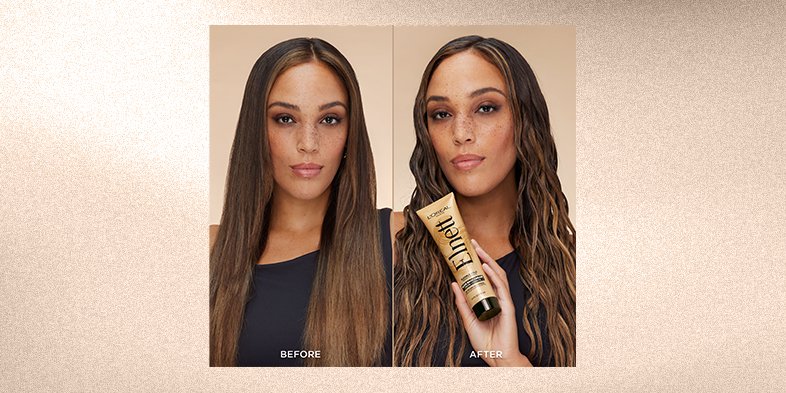
For extra control, warm a small amount of gel or styling cream between your palms and lightly press it over the surface of your hair rather than combing it through. Try the L'Oréal Paris Elnett Anti-Frizz Slick Back Hair Styling Cream, which locks your hairstyle with flexible hold and frizz control for up to 24 hours.
High heat from your blow-dryer, flat iron, and curling iron can lift and roughen the cuticle, which makes hair more vulnerable to frizz, breakage, and dullness over time. Try to reserve hot tools for days when you really want a smooth finish or a specific look, and keep the temperature as low as you can while still getting the result you like. Giving your hair regular breaks from heat lets it retain more moisture and elasticity.
Whenever you do style with heat, prep first with a dedicated protectant. L’Oréal Paris Elvive Dream Lengths Heat Slayer Leave-In helps shield hair from the drying effects of hot tools, resisting temperatures up to 450°F.
Next Up: The Best Shampoos for Damaged Hair: Picks for Every Hair Type
Photo courtesy of L’Oréal Paris

This site is intended for US consumers. Cookies and related technology are used for advertising. To learn more, or opt-out, visit AdChoices and our privacy policy.
Your Privacy Choices
 Notice at Collection