All About Gommage, the French Exfoliation Technique for Smooth, Soft Skin
This simple technique can be a serious game-changer.




Alongside cleansing, moisturizing, and daily sunscreen, regular exfoliation is a key part of a well-rounded skincare routine. Done right, it helps unclog pores, fade the look of dark spots, and boost overall radiance—but the method you choose should match your skin’s needs. Most skincare fans know about the two main types of exfoliation (chemical and physical), but fewer realize you can combine them. This hybrid method, known as gommage, originated in France and is one of our favorite ways to exfoliate.
Ahead, we’ll explain what gommage is, how it works, and who the hybrid approach is best suited for. Then, we’ll walk you through how to incorporate gommage into your existing routine to support a smooth, radiant-looking complexion.




The term “gommage” refers to an exfoliating technique that originated in France (the word comes from the French “gommer,” which means “to erase”). The method involves lightly massaging the skin with a cream or gel-based exfoliant, allowing it to dry slightly, then rubbing the product off in a gentle, rolling motion. In some cases, gommage can also refer to the product used for exfoliation. Gommage exfoliants differ from facial scrubs in that they don’t contain any harsh abrasive particles; rather, they utilize mild chemical exfoliants, such as fruit enzymes, to gently resurface the skin.
Gommage differs from physical and chemical exfoliation in both mechanism and intensity:
As mentioned above, gommage exfoliants are typically cream- or gel-based formulas that use enzymes to help loosen dead skin cells on the surface. These enzymes—often derived from fruits or vegetables—support the skin’s natural shedding process, so dead cells lift away more easily and with less irritation than harsher exfoliation methods.
Using one generally involves applying a gommage exfoliator to clean, dry skin and letting it set briefly. Once it dries, you gently massage the skin, which causes the formula to ball up, creating residue similar to eraser shavings. This gentle massaging action, combined with the grit from the pilled product, helps lift away loosened dead skin cells and buildup. In other words, it provides a very mild form of physical exfoliation that leaves skin smoother and softer without the need for gritty scrubs or strong acids.
Gommage can be a great exfoliation option for anybody, from skincare newbies to beauty enthusiasts with mature skin. However, its gentleness and ease make it particularly beneficial for those with sensitive skin who may not be able to tolerate more aggressive scrubs or harsh chemical exfoliants. It’s also ideal for those new to exfoliation, offering an approachable and non-irritating introduction to this essential skincare step.
There are some caveats, though. If you’re dealing with active breakouts, experiencing redness or discomfort, or have a compromised skin barrier, it’s generally recommended to avoid exfoliating entirely until your skin heals. Likewise, skip gommage if you employ other forms of exfoliation or use retinoids daily, as over-exfoliating can leave your skin vulnerable to irritation.
The gommage technique can be used to exfoliate your face or your body, but it’s most commonly employed for the former. Keep reading to learn how to exfoliate your face using the gommage method.
Start by applying a thin, even layer of your gommage exfoliating gel or cream to clean, dry skin. Avoid applying your product too close to your eyes to minimize the risk of irritation.
After applying your gommage exfoliator, hang tight until the product is tacky, but not entirely dry. This could take anywhere from a few seconds to a couple of minutes, depending on the specific product you’re using.
Next, begin massaging your face in gentle, circular motions. The product should begin to pill or ball up, creating a mild exfoliating effect. Continue the process until you’ve exfoliated your entire face.
Some gommage exfoliants can simply be wiped off, while others need to be rinsed off. Read the product instructions for specific details on what to do.
The above instructions serve as a basic how-to for gommage exfoliation, but if you’re wondering how this French technique slots into your existing routine, keep reading. We’re sharing a simple routine suitable for beginners and experts alike, below.
Before exfoliating, wash your face with a gentle cleanser to remove excess oil, debris, or surface impurities that can interfere with your exfoliation. Look for a mild, non-stripping formula to keep your skin feeling soft and hydrated. If you need a recommendation, we love the L’Oréal Paris RevitaLift Radiant Smoothing Cream Cleanser, which is suitable for twice-daily use.
Next, apply a thin, even layer of your gommage exfoliant and let it dry until tacky. Then, lightly massage your face with your fingertips to loosen the product and gently exfoliate your skin. Wipe off the residue or rinse, as outlined on the product instructions.
Editor’s tip: Avoid using a gommage exfoliant on days you’re using retinoids or chemical exfoliants, as over-exfoliating can irritate your skin and contribute to redness, dryness, or discomfort.
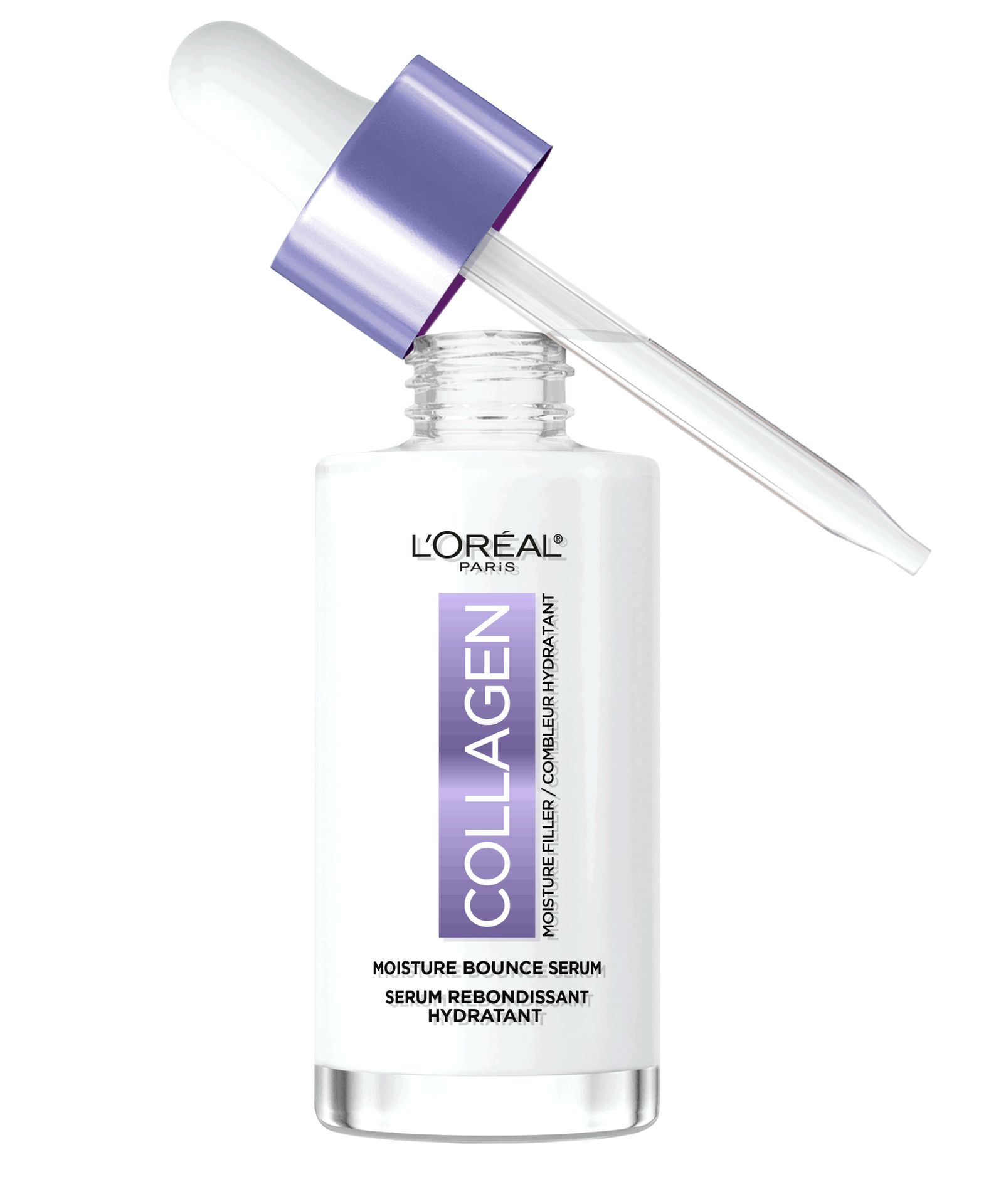
After exfoliating, smooth on a gentle, hydrating face serum to help replenish your skin and support your skin barrier. Any mild facial serum will do the trick here, but we love the L’Oréal Paris Collagen Moisture Filler Moisture Bounce Serum. It’s formulated with collagen, squalane, and glycerin and provides up to 72 hours of hydration for bouncy, radiant-looking skin.

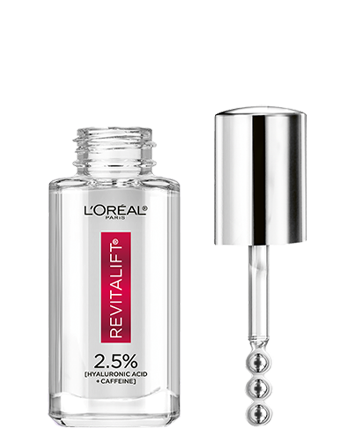
Even if you’re not exfoliating the skin around your eyes, it’s a good idea to show this area some love, as it’s one of the first to show the signs of aging. For lightweight yet long-lasting hydration, smooth on the L’Oréal Paris RevitaLift 2.5% Hyaluronic Acid + Caffeine Eye Serum. It helps smooth, brighten, and de-puff the eye area, and the serum’s cooling metal applicator provides a gentle eye-area massage—perfect for perking up tired-looking eyes.
Moisturizer is a must every day, but it’s an especially crucial step after exfoliation. To lock in moisture, reach for a gentle, non-greasy moisturizer formulated with occlusive ingredients like squalane or shea butter. Try the L’Oréal Paris Age Perfect Skin Care Cell Renewal Midnight Cream—it’s loaded with shea butter, vitamin E, and a patented antioxidant complex and helps repair the skin barrier to support a glowing, healthy-looking complexion. The rich yet non-greasy formula is suitable for use morning and night, but if you plan to spend time outdoors during the daytime, follow up with a broad-spectrum sunscreen with an SPF of at least 15 to shield your skin from damaging UV rays.

Gommage is among the gentlest forms of exfoliation, so most people can do it more often than they would chemical or physical exfoliation. Still, to start, we recommend starting with a once-to-twice weekly application. If your skin responds well, you may be able to increase the frequency to every other day or even nightly. As you increase the frequency, pay attention to how your skin looks and feels—if you notice any dryness or discomfort, dial it back until your skin feels comfortable again.
It’s also important to note that gommage shouldn’t be combined with other forms of exfoliation, as doubling up increases your risk of over-exfoliating. If you use a chemical or physical exfoliant in your regular routine, wait a few days before reaching for your gommage product, and give your skin plenty of support in the meantime with hydrating products that help replenish your skin’s barrier.
Next Up: What Are Alpha-Hydroxy Acids and What Can They Do For Your Skin?
Photo courtesy of L’Oréal Paris

This site is intended for US consumers. Cookies and related technology are used for advertising. To learn more, or opt-out, visit AdChoices and our privacy policy.
Your Privacy Choices
 Notice at Collection