

How To Build an Anti-Aging Skincare Routine for Dull Winter Skin
Cold winter air calls for hydration—and lots of it.
DISCOVER OUR NEW ARRIVALS. SHOP NOW





Overview
In wintertime, cold air, wind, and harsh indoor heating can leave your skin drier and duller than usual. To help prevent dullness and keep your skin looking healthy, switch to a gentle exfoliating cleanser, lean on hydrating and brightening ingredients like hyaluronic acid and vitamin C, and wear sunscreen to protect your skin from the sun. At night, incorporate a gentle retinol serum to help promote surface cell turnover and finish with a rich night cream to support your skin barrier.
Wintertime is full of little joys—cozy dinners, steaming mugs of hot chocolate, and that first snowfall—but it can also wreak havoc on your skin. Cold, brisk air and dry indoor heat can leave your complexion parched, dull, and more prone to showing fine lines. If you’re still following the same routine you used during the summer, it may be time to give your skin a little extra care.
Building an anti-aging routine for winter doesn’t mean overhauling your entire lineup. A few thoughtful swaps can help replenish moisture, support your skin barrier, and restore radiance while addressing the visible signs of aging. Ahead, we’ll explain exactly how to build a winter anti-aging routine and share tips for keeping your skin feeling comfortable all season long.
Cold weather can leave skin looking dull and make fine lines and wrinkles more noticeable, largely because of moisture loss. Low humidity, cold wind, and indoor heating can all pull water from the skin, weakening its moisture barrier and leaving the complexion feeling tight, dry, and rough.I
When skin is dehydrated, fine lines can appear more pronounced. Winter dryness can also make the complexion look uneven and dull rather than smooth and luminous. Keeping skin well moisturized and supporting the moisture barrier can help counter these effects and maintain a smoother, more luminous appearance throughout the colder months.
A winter anti-aging routine should balance hydration, barrier support, and protection from external stressors. Hyaluronic acid and ceramides help replenish and retain moisture, while vitamin C and SPF help protect skin from environmental stressors that can contribute to visible signs of aging. Finally, retinol supports skin renewal and helps improve the look of fine lines and texture over time.
| Ingredient | Purpose | When To Use | L’Oréal Paris Product |
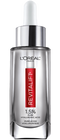
| Hyaluronic Acid | Hydration and plumping | Morning and night | L’Oréal Paris RevitaLift 1.5% Pure Hyaluronic Acid Serum |
| Ceramides | Moisturizing | Morning and night | L’Oréal Paris RevitaLift Micro Hyaluronic Acid + Ceramides Line-Plumping Water Cream |
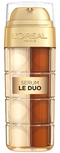
| Vitamin C | Brightening and antioxidant protection | Morning | L’Oréal Paris Age Perfect Skin Care Serum Le Duo |
| Broad-Spectrum Sunscreen | UV protection | Morning | L’Oréal Paris RevitaLift Triple Power Anti-Aging Moisturizer with SPF 30 |
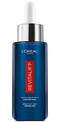
| Pure Retinol | Firming and resurfacing | Night | L’Oréal Paris RevitaLift Night Serum, 0.3% Pure Retinol |
| Shea Butter | Skin barrier support | Night | L’Oréal Paris Age Perfect Skin Care Cell Renewal Midnight Cream |
Hyaluronic acid is a humectant that attracts and binds water in the skin, boosting hydration to create a temporarily plumper, smoother appearance.II Ceramides are lipids naturally found in the skin barrier that help reinforce its structure and reduce moisture loss.III When used topically, these ingredients can help keep winter skin feeling comfortable and looking supple.
Pure vitamin C, also known as L-ascorbic acid, is an antioxidant that helps protect skin from free radicals caused by environmental stressors. It can also help brighten the skin, smooth the appearance of fine lines, and boost radiance when used topically (and it pairs perfectly with hyaluronic acid).IV
UV exposure is a major cause of premature skin aging. You might not think you need sunscreen in winter, but cold weather doesn’t mean less UV exposure. To help protect your skin, wear sunscreen every day, regardless of the weather. Look for a broad-spectrum formula with an SPF (sun protection factor) of at least 30, apply it every morning, and reapply at least every two hours when you’re outdoors.V
Retinol is a vitamin A derivative and a well-studied anti-aging ingredient that can help reduce the appearance of fine lines and wrinkles while improving skin texture over time.IV Because retinol can initially cause dryness or irritation, it’s best to start slowly and increase usage as your skin becomes accustomed to it.
Shea butter is a rich emollient that helps soften dry, rough skin while supporting the skin barrier. Its moisturizing properties make it especially useful during winter, when cold air and indoor heating can leave skin feeling dry and tight. A moisturizer with shea butter can help keep winter skin feeling comfortable, smooth, and supple.VI
A morning winter anti-aging routine should focus on keeping skin hydrated and protected from the elements. Start by cleansing, then apply a targeted antioxidant serum before sealing in moisture with a lightweight moisturizer and broad-spectrum sunscreen. This approach helps keep your skin nourished and protected from external stressors throughout the day.
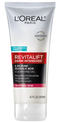
Start your routine by washing your face with a mild, non-stripping cleanser to remove excess oil, dirt, and debris. If your complexion looks dull, try an exfoliating cleanser to boost radiance. We recommend the L’Oréal Paris RevitaLift 3.5% Glycolic Acid Cleanser, which is fragrance-free, non-drying, and suitable for all skin types. When cleansing, be sure to use lukewarm water—hot water can strip your skin, leaving it dry and tight.

After cleansing, pat your skin dry with a clean towel and apply an antioxidant serum, such as the L’Oréal Paris Age Perfect Skin Care Serum Le Duo. This unique serum combines two potent serums—one powered by vitamin C and niacinamide, the other by collagen peptides—into one innovative formula designed to target several signs of aging, including fine lines, dullness, and unevenness. The powerful serum instantly hydrates and nourishes, while continued use helps firm, brighten, and smooth your skin.

If you’re wondering how to fix dull skin in the winter, hydration is often the answer. To lock in hydration—and keep your skin protected from the elements—smooth on a gentle, non-greasy moisturizer, like the L’Oréal Paris RevitaLift Micro Hyaluronic Acid + Ceramides Line-Plumping Water Cream. Formulated with hyaluronic acid and ceramides, it delivers immediate and long-lasting hydration, leaving the skin feeling soft, smooth, and plump. Over time, it also helps diminish the appearance of fine lines for a more youthful-looking complexion.
Last but definitely not least comes sunscreen—one of the most important aspects of any anti-aging skincare routine. For adequate protection, the American Academy of Dermatology (AAD) recommends using a broad-spectrum sunscreen with an SPF of at least 30, and reapplying at least every two hours (more often if you’re sweating or swimming).V If you’d prefer to simplify your morning routine, you can use an SPF moisturizer instead of a separate face cream and sunscreen. Try the L’Oréal Paris RevitaLift Triple Power Anti-Aging Moisturizer with SPF 30, which blends vitamin C, hyaluronic acid, and pro-retinol with broad-spectrum SPF 30 sunscreen for multiple anti-aging benefits.

At night, focus on supporting skin renewal while replenishing the moisture your skin loses throughout the day. Start by gently cleansing away makeup, sunscreen, and buildup, then apply targeted treatments like retinol before finishing with a rich moisturizer. This combination helps smooth the look of fine lines and texture while supporting the skin barrier overnight.
Before applying any nighttime treatments, wash your face thoroughly with a gentle cleanser to remove dirt, makeup, sunscreen, and any other impurities that may have accumulated throughout the day.
While your skin is still damp, apply a gentle hyaluronic acid serum to lock in hydration. We recommend the L’Oréal Paris RevitaLift 1.5% Pure Hyaluronic Acid Serum, which provides immediate and long-term hydration to support a radiant, youthful-looking complexion. The gentle formula is fragrance-free, non-comedogenic, and suitable for daily use on all skin types.

Give your hyaluronic acid serum a minute or two to sink in. Then, smooth on two to three drops of the L’Oréal Paris RevitaLift Night Serum, 0.3% Pure Retinol. This fast-absorbing formula visibly reduces wrinkles, boosts radiance, and improves skin texture and tone. It’s formulated with glycerin and hyaluronic acid to help offset the potential drying effects of retinol, but if you’re a first-time retinol user, it’s still best to start slowly. Use it one night per week to start and gradually increase usage as your skin adjusts.

Finally, lock in moisture and replenish your skin barrier with a rich, restorative night cream. Our pick: The L’Oréal Paris Age Perfect Skin Care Cell Renewal Midnight Cream, made with shea butter and a patented antioxidant recovery complex. The rich yet non-greasy night cream has a unique wrapping texture that creates the optimal environment for skin barrier repair and helps trap in moisture for up to 24 hours. There’s also a fragrance-free version—a great option if you have reactive skin or are sensitive to fragrances.

Cold weather can make it tempting to compensate for dry, dull skin with hotter showers or more aggressive exfoliation. But these habits can further compromise the skin barrier and make dryness and dullness more noticeable. Here are three habits to avoid in the winter if you’re struggling with dull, dry skin:
Next Up: How To Get Glass Skin: Tips and Tricks You Need To Try
Photo courtesy of L’Oréal Paris
Sources

This site is intended for US consumers. Cookies and related technology are used for advertising. To learn more, or opt-out, visit AdChoices and our privacy policy.
Your Privacy Choices
 Notice at Collection