Why Is My Hair So Staticky? 11 Tips for Sleek, Smooth Strands
Smoother, shinier hair starts here.




If you often find yourself wondering, "Why is my hair staticky?” you're far from alone. That frustrating moment when your strands stand on end or cling stubbornly to your face (especially after shedding a cozy sweater or a hat) is a common hair concern. Static hair frequently occurs when it’s cold and dry outside and often affects those with fine, dry, or damaged hair. The good news is, you don't have to live with static hair—a few changes to your routine are all it takes to score smoother strands. Ahead, we’ll explain what causes static and share tips on how to get rid of static in hair both instantly and in the long run. Plus, we’ll share details on our favorite anti-static hair products to add to your routine for sleek, shiny-looking hair—no matter the weather.
Before we dive into the fixes, we thought it’d be useful to review what causes static in the first place. In the simplest terms, static occurs when your hair picks up a negative electrical charge. When your strands are negatively charged, they repel one another, resulting in unmanageable flyaways and frizz. As for what can cause your hair to take on a negative charge, there are a few common triggers. We’ll outline some of the most prevalent below.
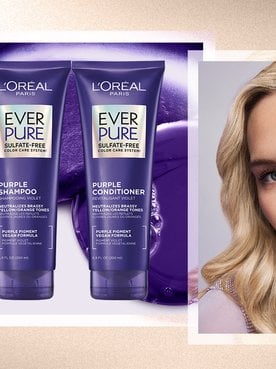
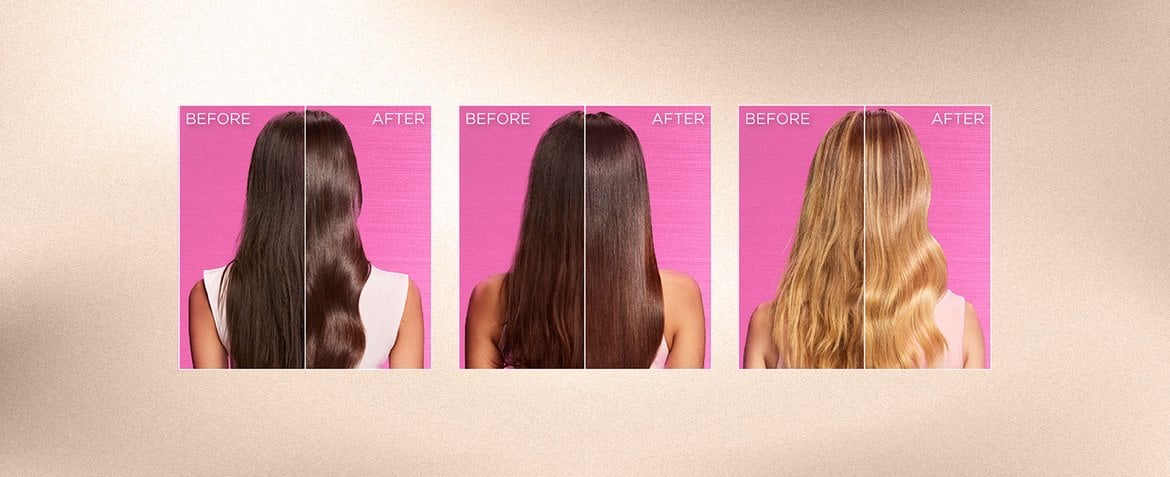
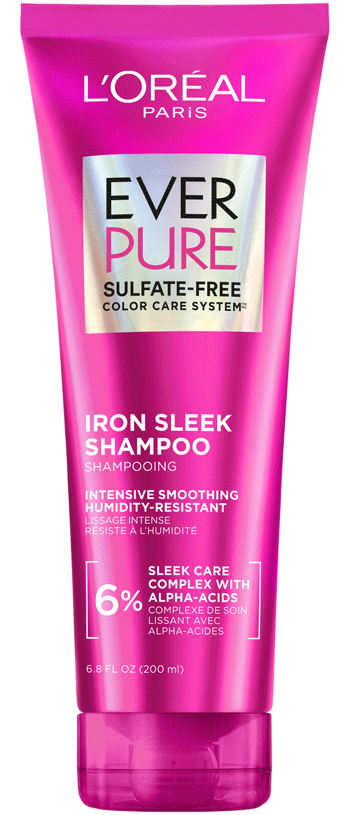
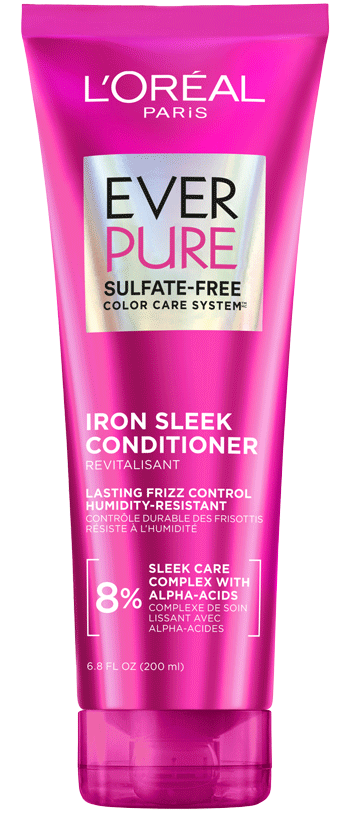
Static often goes hand-in-hand with dryness. When your hair lacks sufficient moisture, it becomes more prone to friction and struggles to dissipate the electrical charge it picks up. This inability to release the charge is precisely what causes static in hair, leading to strands that are constantly acting out with frustrating frizz and flyaways. To help minimize dryness, consider swapping your go-to conditioner for a hydrating, smoothing formula, such as the L’Oréal Paris EverPure Sulfate-Free Iron Sleek Shampoo, which is formulated with alpha-acids and helps lock out humidity to keep your strands looking sleek. Pair it with the coordinating L’Oréal Paris EverPure Sulfate-Free Iron Sleek Conditioner to help lock in moisture and enhance shine.


Friction is another key contributor to static hair, particularly from certain fabrics and styling tools. Think about your everyday items: wool hats, cozy synthetic scarves, or even your favorite plastic hairbrush. When these materials rub against your hair, they create friction, leading to a buildup of electrical charge on your strands. This charge causes your hair to repel itself, resulting in those frustrating flyaways and strands that literally stand on end.
Washing your hair too often can strip away the natural oils that are essential for keeping your strands balanced and hydrated. When these protective oils are removed, your hair becomes dry and more susceptible to gaining an electrical charge, which is precisely what causes static in hair. This dryness, in turn, leads to increased frizz and those frustrating, hard-to-manage flyaways.
Certain environmental factors can make your hair more prone to static. Low humidity, prevalent during colder months or in dry climates, actively strips your hair of essential moisture. Indoor heating systems, often cranked up when temperatures drop, are also hidden culprits, constantly drawing hydration from your strands. Similarly, frequent heat styling without proper protection quickly depletes your hair's moisture. When your hair is exposed to these drying stressors, it can become more susceptible to picking up electrical charges, resulting in static.
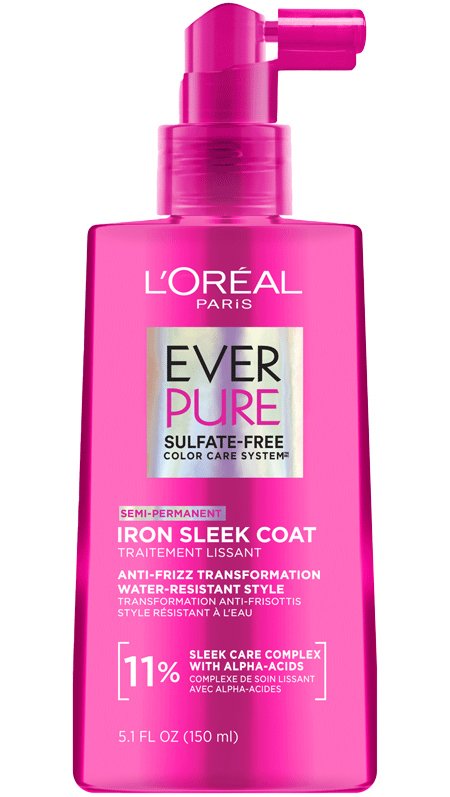
To help keep your hair smooth, consider incorporating the L’Oréal Paris EverPure Sulfate-Free Iron Sleek Coat into your styling routine. The leave-in treatment coats the hair fibers, helping to seal in moisture, shine, and smoothness for up to five washes.
Static itself won't cause breakage or harm your hair's integrity. However, the habits we adopt to deal with persistent static can sometimes be detrimental. For example, increased brushing to smooth flyaways, excessive use of hot tools to "tame" rebellious strands, or constantly touching your hair can all contribute to friction and heat exposure. Over time, this cumulative friction and heat can weaken your hair, leading to potential damage and breakage.
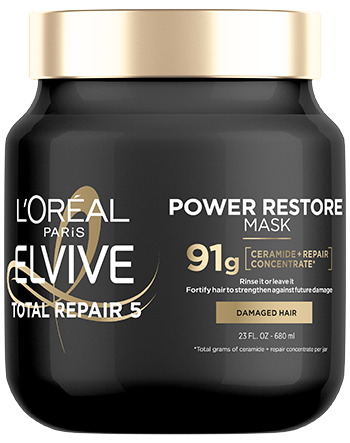
The best way to maintain healthy hair is to adopt gentle haircare habits, such as conditioning regularly, minimizing heat styling, and combing rather than brushing. For added support, consider adding a deep conditioning mask, like the L'Oréal Paris Elvive Total Repair 5 Power Restore Multi-Use Treatment, to your weekly routine. This protein-packed formula deeply nourishes to promote smooth, healthy-looking strands.

If you’re trying to figure out how to stop static hair from ruining your good hair days (or mood), keep scrolling—ahead, we’re sharing 11 time-tested tips to help promote smooth, silky hair.
Dry hair is more likely to act up, so keeping it moisturized is your first step. Use a shampoo and conditioner system specifically designed for dry hair, or look for a duo that moisturizes and smooths, like the aforementioned L’Oréal Paris EverPure Sulfate-Free Iron Sleek Shampoo and L’Oréal Paris EverPure Sulfate-Free Iron Sleek Conditioner. Used together, this pair helps lock out humidity while enhancing smoothness and shine, and it’s suitable for all hair types (including color-treated hair).
Adding moisture to your living space is a simple yet effective static hair fix for dry, unmanageable strands, especially during the winter. During colder months, not only is the outdoor air naturally drier, but indoor heating systems can further deplete moisture from the air (and, in turn, your tresses). Running a humidifier helps to balance the air's moisture levels, preventing your hair from drying out overnight and reducing the likelihood of static.
Washing your hair every day might seem like a smart option, but overwashing can strip away the oils that help maintain your hair's moisture balance. These natural oils aren’t just for hydration; they also serve as your hair's built-in static defense, preventing the buildup of electrical charges. When these essential oils are depleted, your strands can become dry, more vulnerable to friction, and more susceptible to frizz and static hair. To help prevent your hair from becoming stripped, consider spacing out your washes or incorporating a co-wash in between wash days.
A lightweight hair serum can be a powerful tool for both preventing static hair and taming existing flyaways. Serums work by sealing the hair cuticle, locking in essential moisture, and creating a smoother surface, which in turn reduces friction and the opportunity for electrical charge buildup. Consider incorporating a product like the L'Oréal Paris EverPure Sulfate-Free Iron Sleek Coat into your routine. This serum helps to smooth your strands, prevent static, and offers a layer of protection against heat styling. To use it, apply the serum to damp hair after shampooing and conditioning. Then, blow-dry using tension to activate the product and lock in smoothness for up to five washes.

An ionic blow dryer is a great tool for fighting static hair. While standard dryers can leave your hair feeling dry and frizzy, ionic dryers work differently: they emit ions that help to neutralize the electrical charge on your hair, resulting in smoother strands. Plus, ionic dryers often speed up the drying process, which means you're exposing your hair to less heat and further avoiding dryness, contributing to overall healthier hair and less static.
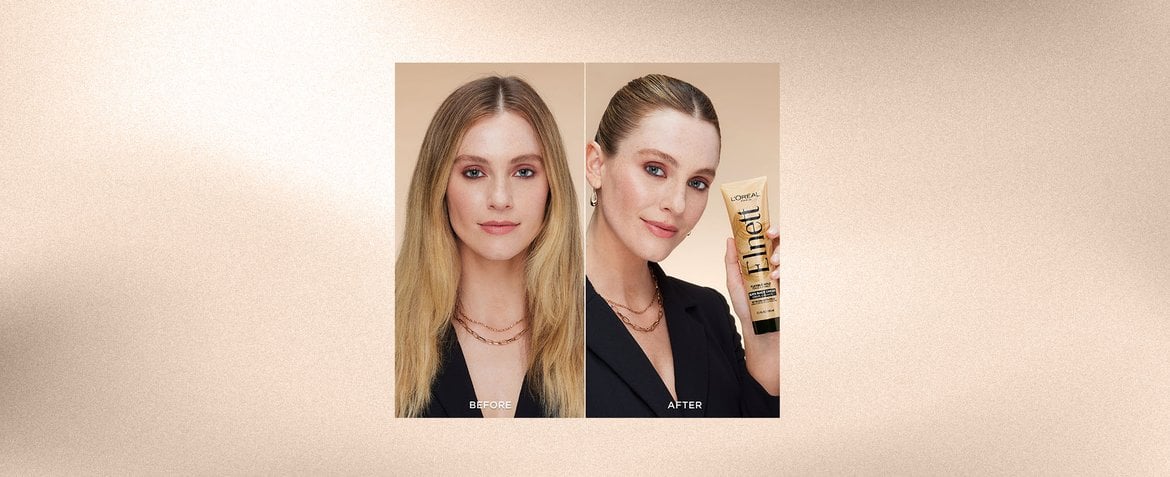
For an immediate solution to pesky flyaways and to control static during styling, anti-static hair products, such as styling creams, can be a game-changer. While hair serums are excellent for overall prevention and moisture, creams often provide targeted control for a polished finish. The L'Oréal Paris Elnett Anti-Frizz Slick Back Hair Styling Cream, for instance, is designed to slick back strands without stiffness, offering a reliable way to manage static hair for everyday styling and ensuring a sleek look. Apply it to wet or dry hair to smooth away flyaways and keep your tresses tamed.
Plastic brushes create friction as you style, which can build up static electricity in your hair. Switching to tools made from natural materials can make a noticeable difference. Try a wooden brush, a boar bristle brush, or even a wide-tooth comb. These options are gentler on your hair and help distribute your scalp’s natural oils along the length of each strand. The result? Softer, smoother hair with far less static, since natural materials and metal are much less likely to generate static than plastic.
If you often wake up with static hair, try switching to a silk or satin pillowcase. These fabrics are slippery and produce less friction on your hair than fabrics like cotton or linen. This, in turn, can help you wake up with smoother hair and fewer flyaways. It’s a soft swap that goes a long way in preventing static hair overnight. If you don’t want to invest in a brand-new pillowcase, a silk bonnet or scarf can do the trick, too.
Traditional towels can be quite rough on your hair, especially when you rub vigorously to dry it. This friction not only messes with your hair's cuticle but also significantly contributes to frizz and exacerbates static hair. Opting for a gentler alternative, such as a microfiber towel or even a soft cotton T-shirt, can make a considerable difference. These materials absorb water effectively without creating excessive friction, thereby helping to prevent damage and reduce the likelihood of static.
To tame static hair quickly (even when you’re on the go), try swiping a dryer sheet over your hair. This method helps to neutralize the electric charge that makes your hair staticky, calming flyaways almost instantly. However, it's important to use this sparingly and consider it an emergency solution, as overdoing it can leave your hair feeling coated or lead to product residue buildup.
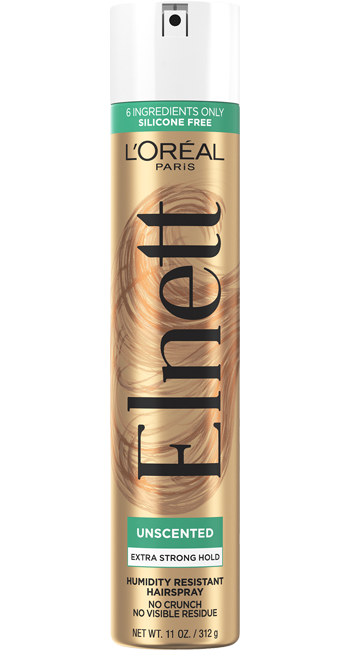
Static hair often results from friction with clothing or other materials. One simple yet effective strategy to minimize this contact and reduce electrical charge buildup is to embrace protective hairstyles. Keeping your hair neatly styled in a loose braid, a sleek ponytail, or another updo helps to minimize friction throughout the day. This not only keeps your hair in place but also significantly reduces its contact with clothes, scarves, and other environmental factors that can exacerbate static. If you need help keeping your style in place, consider misting your mane with a lightweight anti-static hairspray, such as the L’Oréal Paris Elnett Satin Extra Strong Hold Hairspray.

To quickly stop your hair from being staticky, apply an anti-static serum or lightly rub your hair with a dryer sheet. Smoothing serums are designed to help hydrate and tame rebellious strands, while dryer sheets can help neutralize your hair’s electric charge, leaving it smoother and sleeker.
Having static hair doesn't necessarily mean your hair is unhealthy, but it may indicate a lack of moisture or a need for a more protective routine. Frequently experiencing static is a strong sign that your hair is dry or experiencing excessive friction. Addressing this dryness with hydrating products and treating your hair gently can significantly improve overall hair health and reduce the occurrence of static.
Anyone can experience static, but it’s most commonly seen in dry or damaged hair. Dry hair inherently lacks the moisture needed to dissipate electrical charges, while damaged hair often has a raised cuticle, which increases friction and facilitates charge buildup. Using hydrating, reparative products and avoiding friction and harsh weather can help your hair retain moisture, minimizing static and damage.
Yes, weather can absolutely cause static hair, particularly during cold and dry conditions. In colder temperatures, the air naturally holds less moisture, leading to significantly lower humidity both outdoors and indoors, especially when heating systems are in use. This dry environment strips hair of its natural moisture, making it more prone to static. The lack of ambient moisture prevents the electrical charge from dissipating, causing strands to repel each other and leading to those familiar flyaways.
Next Up: Low Porosity vs. High Porosity Hair: How To Tell The Difference
Photo courtesy of L’Oréal Paris

This site is intended for US consumers. Cookies and related technology are used for advertising. To learn more, or opt-out, visit AdChoices and our privacy policy.
Your Privacy Choices
 Notice at Collection