How To Exfoliate Your Face Properly for Smooth, Glowing Skin
Your journey to smoother, softer skin starts now.




Ask any expert worth their salt, and they’ll likely tell you that exfoliating your face is the key to a bright, smooth complexion. Exfoliation offers countless benefits for your skin’s overall look and feel and can help address everything from dullness to flaky skin. However, knowing how to exfoliate your skin without overdoing it is essential. An aggressive approach can sometimes lead to dryness, redness, or irritation, particularly if you have sensitive skin.
If you’re interested in incorporating regular exfoliation into your routine but aren’t sure where to start, keep reading. Ahead, we’ll review the most common exfoliation methods, share details on the benefits of exfoliating your face, and offer a look at some of our favorite exfoliants to use for radiant, luminous-looking skin.





Exfoliation is the process of removing dead skin cells from the surface of your skin. There are two kinds of exfoliation: physical and chemical. Physical exfoliation, which is also known as mechanical exfoliation, involves rubbing the skin’s surface with a scrub, dry brush, or other mechanical tool to remove dead skin cells and brighten the complexion. This approach is often best suited for those with oilier skin types (or for exfoliating the body).
Chemical exfoliation involves using exfoliating acids, retinol, or enzymes to loosen the bond between dead skin cells and help them shed. Chemical exfoliation is unique in that it can benefit a wide range of skin types. Beta-hydroxy acids like salicylic acid are ideal for oily and acne-prone skin, while alpha-hydroxy acids (such as glycolic acid and lactic acid) work well for dry and mature skin types. Chemical exfoliants can be found in a wide range of formulas, from mild facial cleansers to targeted serums and even at-home peels (more on those later).
Everyone’s skin reacts differently to exfoliating, and different body areas often benefit from different approaches. For the most part, the best way to exfoliate skin on your body is to do so a few times a week with a washcloth, body scrub, or dry brush. Determining when and how to exfoliate your face, however, is trickier—your skin type, habits, and the product you’re using should all factor into the equation.
Generally speaking, those with sensitive skin can typically tolerate mild exfoliation once or twice a week, while others may be able to exfoliate more frequently with a gentle cleanser or exfoliating serum. If you’re new to exfoliation, keep in mind that less is often more—overdoing it can lead to discomfort or contribute to skin concerns such as dryness or redness. If you’re ever unsure how often to exfoliate (or what to use in your routine), consult your dermatologist.
Whether you choose physical or chemical exfoliation, removing the buildup of dead skin can benefit your skin in numerous ways. With a gentle and consistent approach, exfoliating your skin can help:
The best way to exfoliate your skin depends on your skin type and the approach you’ve chosen. The more sensitive your skin, the gentler an approach you should take to reduce the risk of dryness or discomfort. We’re sharing a closer look at your options below.
Benefits: Can be tailored for most skin types; provides instant results
Cautions: A careful approach is needed for those with sensitive skin
Physical exfoliation instantly removes dead surface skin cells, making it an excellent option for those seeking an immediate improvement in skin texture and radiance. However, it’s important to be as gentle as possible—harsh physical scrubs can strip your skin and damage your skin’s natural moisture barrier. In fact, in many cases, the best physical exfoliator for the face is a clean washcloth. To exfoliate with a washcloth, start by washing your face with a mild, hydrating cleanser. Then, saturate a clean washcloth with warm water and buff your face in gentle, circular motions, paying close attention to areas prone to congestion, such as the T-Zone. Take care not to use too much pressure when buffing your face to avoid redness or irritation.
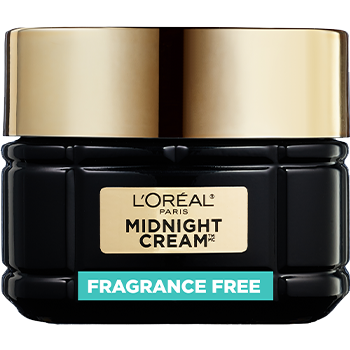
After you exfoliate your skin, restore moisture with a gentle facial serum and moisturizer (for the latter, we love the L’Oréal Paris Age Perfect Skin Care Cell Renewal Midnight Cream, Fragrance-Free). Or, give yourself a simple at-home facial by applying a sheet mask to damp skin after exfoliating. Then, follow up with your face cream as usual to help lock in moisture and keep your skin feeling comfortable.
Benefits: Suitable for all skin types; tends to be gentler than physical exfoliation
Cautions: Many chemical exfoliants can increase your skin’s sensitivity to the sun; high-concentration formulas may not be ideal for sensitive skin
Chemical exfoliants come in a range of formats and strengths, and how you use them depends largely on the specific formula you choose. Some are designed for daily use, while others are more intensive and should only be used occasionally. Because of this, it’s important to always follow the instructions on your product’s packaging—application method, timing, and frequency can vary widely.
Exfoliating cleansers are typically the gentlest option, since they’re rinsed off shortly after application. Many are even mild enough for daily use. The L’Oréal Paris RevitaLift Radiant Smoothing Cream Cleanser is an example of an exfoliant you can use every day. The creamy formula with salicylic acid and vitamin C provides ultra-gentle exfoliation to help brighten, smooth, and refine the skin. To use it, apply a dime-sized amount to damp skin, massage it into a lather, and then rinse with lukewarm water. Follow with your favorite serum and moisturizer for the best results.
Leave-on exfoliants, like toners, serums, and moisturizers, tend to be more potent than cleansers and are designed to stay on the skin to deliver ongoing benefits. These are usually applied to clean, dry skin and left on—no rinsing required. Depending on the formula’s strength, they may be used daily or just a few times per week.
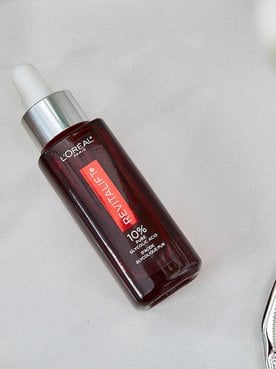
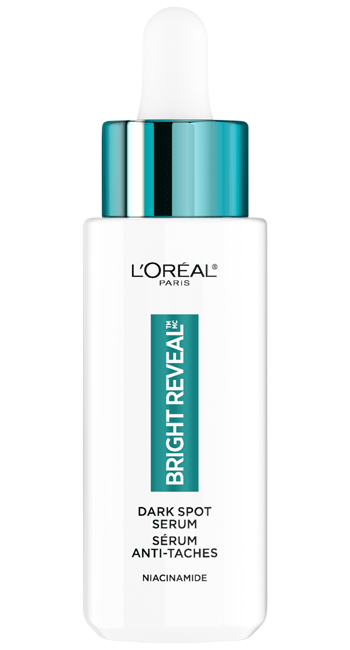
If you’re looking for a leave-on exfoliant that you can use daily, we recommend the L’Oréal Paris RevitaLift Derm Intensives 10% Pure Glycolic Acid Serum. It’s formulated with 10% glycolic acid and helps target a range of age-related skin concerns, including unevenness, fine lines, and wrinkles. If dark spots are your primary concern, we suggest reaching for the L’Oréal Paris Bright Reveal 12% [Niacinamide + Amino Sulfonic + Ferulic Acid] Dark Spot Serum instead. It provides gentle everyday exfoliation and helps fade the appearance of sun spots, age spots, and post-blemish marks in as little as one week of consistent use.

Chemical peels are one of the most well-known forms of chemical exfoliation, and they’re typically the most intensive, often formulated with higher concentrations of active ingredients to deliver more noticeable results. While many professional peels are performed in-office, there are also gentler options designed for at-home use.
Regardless of where you’re using them, how often you should apply a peel depends on the specific formula and its strength—some are meant for occasional use, while others can be used more regularly. Most are applied to clean, dry skin and left on for a set amount of time before being rinsed off, but exact usage can vary, so it’s important to follow the product’s instructions carefully.
For an at-home option suitable for all skin types, we recommend the L’Oréal Paris Bright Reveal Dark Spot Exfoliating Peel. It contains a multi-acid blend with AHAs, BHAs, and PHAs (poly-hydroxy acids) and helps visibly brighten and refine the skin in as little as one use. To use it, cleanse and dry your skin, then apply a thin, even layer of the liquid formula to your face. Leave it on for 15 minutes, then rinse your face thoroughly with lukewarm water and follow with moisturizer (and sunscreen during the daytime). Keep in mind that this isn’t a daily-use treatment—you can use it up to four nights per week, but we recommend starting with a slow and steady approach if you’re new to exfoliation.

You don’t want to use an exfoliating serum or peel on your lips, but exfoliating your pout can help remove those dry flakes that might interfere with your lipstick application. To exfoliate your lips, it’s best to use a dedicated lip scrub designed for that purpose. If you don’t have one on hand, a damp washcloth can work well, too—just use a gentle hand and follow up with a lip oil or balm to help replenish moisture.
As with facial exfoliation, it’s important to choose a body exfoliator that suits your skin type. With so many options available—from scrubs to chemical formulas—you may need to try a few to find the right fit. Below, we’re breaking down a few of our favorite options.
To help slough off dead skin cells while boosting circulation, try dry brushing, a technique used around the world to promote smoother, more even-looking skin. For the best results, use a dry brush on clean, dry skin before you step into the shower.
Working in upward strokes, glide the brush toward your heart as you move across your body. For example, when brushing your legs, start at your ankles and work your way up toward your torso. Go over each area a few times using light pressure to help remove dead skin buildup.
Once you’re finished, hop in the shower to rinse off, then follow up with a body lotion to help nourish and soften your freshly exfoliated skin.
Using a body scrub in the shower is an effective way to smooth rough areas like the feet, elbows, and legs. It is also a great step to take before shaving, since removing dead skin cells can help create a smoother, more even glide.
As with facial exfoliators, there are plenty of body scrub formulas to choose from, including options made with coffee grounds, sugar, or salt. No matter which you use, the application technique is similar to a face scrub. For the best results, start with damp skin that is not overly wet, since too much water can prevent the scrub from gripping properly. Apply a generous amount to your skin, then gently massage it in using circular motions. Use light pressure, especially if your scrub contains granules that do not dissolve, to help avoid irritation. Once you’re finished, rinse thoroughly and continue with the rest of your shower routine.
Another way to exfoliate your skin is with an exfoliating body wash or shower gel. These formulas are typically a great option for all skin types, since they rinse off quickly and are less likely to cause irritation when used as directed, even for those with sensitive skin.
When choosing a formula, look for ingredients that align with your skin goals. Alpha-hydroxy acids, like glycolic or lactic acid, can help smooth and brighten, while salicylic acid is a good option for helping to keep blemishes in check.
In terms of application, the process is similar to using a regular body wash. For the best results, follow the instructions on your specific product to ensure you are using it correctly.
If you’re looking to knock out two steps in one, consider swapping your regular body cream for an exfoliating body lotion. These multitasking formulas pair gentle chemical exfoliants with hydrating ingredients, so you can smooth and soften your skin while keeping it moisturized in a single step.
To use one, apply a thin, even layer to damp skin after showering and allow it to absorb fully. Just be sure to avoid using exfoliating lotions on freshly shaved skin, since the active ingredients can increase the risk of irritation.
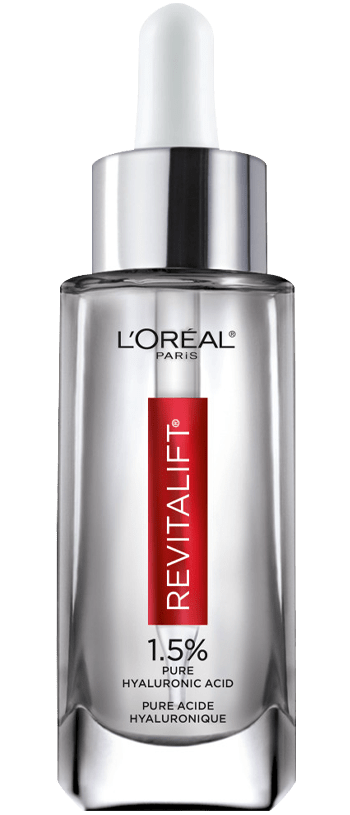
Now that you’ve learned how to exfoliate your skin, it’s time to focus on one of the most important parts of the process: aftercare. Once you’ve removed dead skin cells, your skin needs plenty of hydration to stay balanced and healthy-looking. After exfoliating, smooth on a gentle, hydrating serum, such as the L’Oréal Paris Revitalift Derm Intensives 1.5% Pure Hyaluronic Acid Serum. The fragrance-free formula is suitable for all skin types and delivers an instant boost of moisture with a non-sticky, non-greasy finish. Give your serum a minute or two to absorb, then lock in moisture with a face lotion or cream. We like the L’Oréal Paris RevitaLift Derm Intensives Micro Hyaluronic Acid + Ceramides Line-Plumping Water Cream (pictured below), because it contains ceramides and helps strengthen the skin barrier.
It’s also important to remember that exfoliation removes the outer layer of dead skin to reveal fresher skin underneath, and that new skin is more sensitive to sun damage. Applying sunscreen afterward helps protect it from UV exposure. Look for a broad-spectrum formula with an SPF of at least 30, such as L’Oréal Paris RevitaLift Triple Power Moisturizer SPF 30. This non-comedogenic formula helps protect against UVA and UVB rays, blends seamlessly without leaving a white cast, and keeps skin moisturized. Apply it every morning (rain or shine!) as the final step in your routine. And don’t forget additional sun protection measures, like wearing protective clothing and limiting direct sun exposure during midday, to help keep your freshly exfoliated skin protected.



If you’re still wondering “What should I use to exfoliate my face?,” consider your skin type. Different exfoliants often work best for different skin types and concerns.


It’s important to pay attention to your skin's signals to know if your exfoliation habits are on track. If you notice redness, increased sensitivity, or sudden breakouts, don’t ignore it—these are common signs of over-exfoliation. If this happens, pause all exfoliating products and focus on gentle, hydrating formulas to help restore your skin barrier. Once your skin has calmed, you can slowly reintroduce exfoliants, starting with lower-strength formulas and spacing applications according to how your skin tolerates them.
On the other hand, if your skin looks dull, has a rough texture, or you notice clogged pores, you might be under-exfoliating. Switch to a higher-strength exfoliant or try exfoliating more frequently to promote a smoother, clearer complexion.
Next Up: Gommage Is the Exfoliation Method on Everyone's Lips
Photo courtesy of L’Oréal Paris

This site is intended for US consumers. Cookies and related technology are used for advertising. To learn more, or opt-out, visit AdChoices and our privacy policy.
Your Privacy Choices
 Notice at Collection