Pressed Powder vs. Loose Powder: Which Should You Use?
These two setting staples serve slightly different purposes.




After spending precious time applying your makeup, you want to make sure that it lasts all day. Setting powder can help ensure that it does, but knowing when to reach for pressed powder vs. loose powder is a must. Though they seem similar, these two types of powders serve different purposes—and swapping one for the other may not yield the same results. As with many things in makeup, the best pick depends on your skin type, preferences, and what end result you’re hoping to achieve. If you want to learn more, keep reading. Ahead, we’ll explain the main differences between loose setting powder and pressed powder and share tips on when (and how) to use each in your makeup routine.
Loose powder and pressed powder makeup differ in a few key ways, including how they’re packaged, what they’re used for, and how they’re applied. We’ll break down both below.
Loose powders are finely milled face powders that typically come housed in a tub or jar. They can be tinted or translucent and are most commonly used to help set liquid makeup, mattify shine, and blur the appearance of skin texture. You can apply loose powder with a powder puff or a brush—in either case, the formula is lightly swept onto the skin to help set makeup without adding much (if any) additional coverage. Loose powders are also used to “bake” under-eye makeup and help prevent it from smudging, fading, or settling into fine lines.
Pressed powders are face powders that come pressed in a compact (similar to blush or powder bronzer). They often come with an applicator—usually a sponge or a powder puff—and are ideal for on-the-go touch-ups. Because the powder is pressed into the compact, the application process is a bit different from that with loose powders. Rather than sweeping the formula onto your skin, you’ll generally use the included applicator to press or swipe the powder onto areas that need coverage. Additionally, pressed powders tend to come in a wider range of shades than loose powders—some are even designed to be used in place of liquid foundation for a full-coverage matte finish.
Generally speaking, loose powder should be applied near the end of your makeup routine—or, at the very least, after applying all of your liquid and cream base products (such as foundation, concealer, and liquid blush or contour). While you can technically apply loose powder makeup to bare skin, most provide little to no coverage. Instead, their main purpose is to help minimize unwanted shine, blur imperfections, and give the skin a smooth, velvety finish.
One of our favorite loose powders for a matte yet natural-looking finish is the L’Oréal Paris Infallible Blur-Fection Longwear Loose Setting Powder. The airy, lightweight formula helps absorb shine, blurs the appearance of fine lines and pores, and sets makeup in place for up to 24 hours. Plus, the velvety formula has no flashback—so you don’t have to worry about looking cakey in photos (or, for that matter, in real life). Opt for one of the pink shades to set your makeup and subtly brighten your complexion, or use the translucent option for a velvety, your-skin-but-better finish.




There are several instances in which you may want to use a pressed powder. The first is to set your liquid makeup or help mattify shine while you’re out and about. Because they come in a compact (oftentimes with the applicator included), they’re easy to stash in your bag and pat on for shine control throughout the day. You can apply them all over to help mattify your skin and add coverage, or use them selectively to target areas prone to oiliness (such as the nose, forehead, and chin).
Tinted pressed powders, such as the L’Oréal Paris Infallible Up to 24HR Fresh Wear Foundation in a Powder, can also be a great alternative to traditional liquid or cream foundation, particularly if you have oily skin. In this case, you’d apply your powder to primed skin before applying any other makeup. Keep in mind that if you’re using a powder foundation, you’ll want to stick with powder products for the rest of your routine, too—layering liquid makeup over a dry base can make even the best pressed powder become patchy or uneven. If you’re a diehard liquid blush devotee, loose powder may be a better option for your needs.

Loose powder is easy to apply, but you’ll want to use a light hand to avoid a dry or unnaturally matte finish. Here’s how we recommend using loose powder in your makeup routine.
As we mentioned earlier, loose powder is most commonly used after you’ve finished applying all of your liquid and cream base makeup. As such, you’ll want to start by applying your foundation to help even out your complexion. For a long-lasting finish, try the L’Oréal Paris Infallible 32 Hour Fresh Wear Foundation. The buildable formula provides medium-to-full coverage and feels lightweight on the skin. It’s non-comedogenic, breathable, and transfer-proof—and it wears for up to 32 hours. If you notice any areas that need additional coverage, like beneath your eyes, you can go in with a thin layer of the L’Oréal Paris True Match Radiant Serum Concealer.
Next, grab your L’Oréal Paris Infallible Blur-Fection Longwear Loose Setting Powder. With the cap unscrewed but closed, flip the container upside down and pat the bottom of the jar to dispense the powder into the lid. Then, right the jar and carefully remove the cap. Dip a powder brush, beauty sponge, or powder puff into the powder, then lightly dust the formula onto the areas of your face you’d like to set, blur, or mattify. We suggest starting with a very thin, light dusting of powder—you can always add more later if needed. Baking requires a slightly different approach. For a full rundown of the process, we suggest heading over to our article How To Bake Your Makeup for a Long-Lasting Look.
Editor’s tip: If you simply want to mattify and blur your skin, use one of the two transparent shades. For a subtle brightening effect, try one of the two pink hues instead.
After sweeping on your loose powder, let it sit for a minute or two before touching your face. When you’re ready to get going, use a clean brush to sweep away any excess powder. You can stop here if you want a completely matte look. Otherwise, finish up your routine by misting your face with the L’Oréal Paris Infallible 3-Second Setting Mist, which boasts a healthy, natural-looking finish.
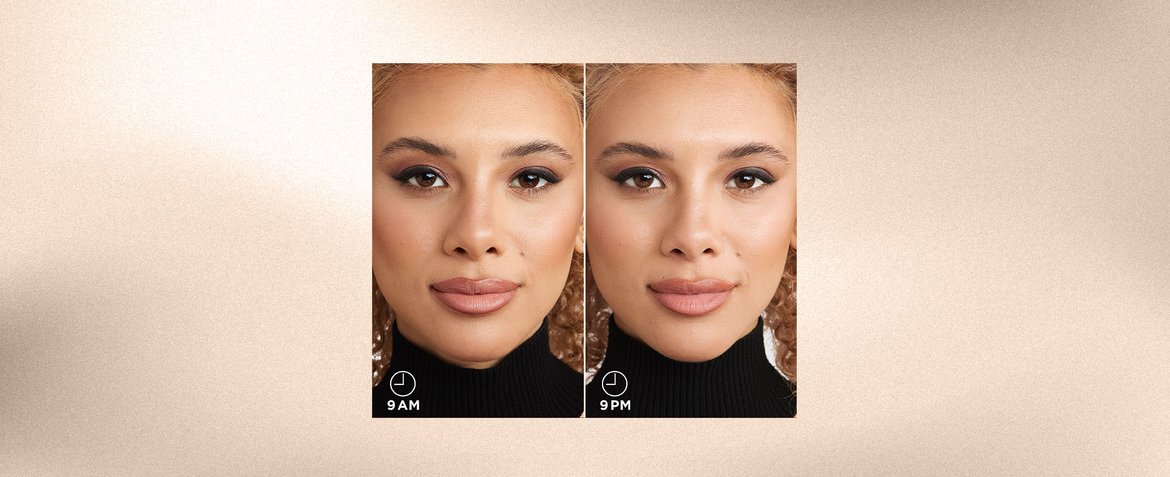
Pressed powder can be applied more directly all over the face to help minimize shine and even the complexion. Here’s how.
Unlike loose powders, which are almost always sheer or translucent, pressed powders can offer sheer, medium, or full coverage. You’ll want to select a formula that aligns with your needs and desired end result.
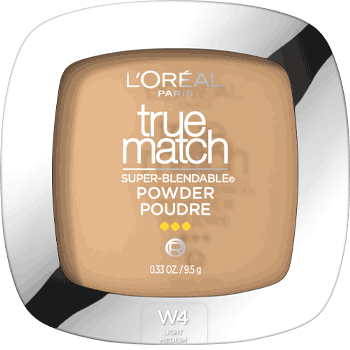
If you’re aiming for a more natural, blurred matte look, we suggest opting for a buildable pressed powder, like the L’Oréal Paris True Match Super Blendable Powder. The micro-fine formula boasts a lightweight, soft texture and won’t settle into fine lines or get cakey throughout the day. The shades in the collection align with the rest of the products in our True Match line, so you can use it alone, layer it over foundation, or pair it with your concealer and enjoy a flawless match. (If you need help finding your shade, check out our article How To Find Your Perfect L’Oréal True Match Foundation and Concealer Shades).
The L’Oréal Paris Infallible Up to 24H Fresh Wear Foundation in a Powder, meanwhile, is ideal for those seeking a full-coverage finish. The pigmented formula covers like a liquid and mattifies with no cakey look, ensuring natural-looking matte coverage that wears for up to 24 hours (it’s even sweatproof and waterproof).
Open up your compact and grab your preferred tool—a brush will provide lighter, more natural-looking coverage, while a sponge is better suited for full coverage use. Sweep your chosen tool across the surface of the pressed powder, then begin layering the formula on your face, starting at the center of your face and working your way out. Blend well and continue adding more product until you’ve reached your desired level of coverage.
After applying your powder, continue with your makeup routine, sweeping on your powder blush, highlighter, bronzer, and contour as usual. Once you’re done, set everything in place with setting spray to help ensure all-day wear.

Makeup is rarely (if ever) one-size-fits-all, and that’s certainly true for powders. If you need help identifying the right powder for your skin type, keep reading—we’re sharing tips on finding the right formula for your needs, below.
Loose and pressed powders can both be useful for those with oily skin, so choosing between the two ultimately comes down to what you’re hoping to achieve. If your main goal is to set liquid makeup or control excess shine, choose a loose powder and apply it to areas that tend to get oily throughout the day. If, on the other hand, you’re looking for shine control and lasting coverage, select a tinted pressed powder with shine-reducing ingredients, such as silica. Pressed powders can also be reapplied throughout the day to minimize unwanted oiliness.
Heavy powders (or a heavy-handed application of powder) can cling to dry patches and emphasize texture. To make powder makeup work for dry skin, select lightweight, non-drying pressed powders and use them sparingly to set your makeup. If that approach still leaves your skin looking (or feeling) dry, round out your routine by misting your face with a hydrating setting spray to help lock in your look and give your skin a boost of hydration.
Combination skin, like oily skin, can generally tolerate both pressed and loose powders, but for the best results, we suggest using them strategically. Apply a loose powder to oily areas, like the nose, chin, and forehead, to control unwanted shine, and use your pressed powder for the rest of your face to ensure a smooth, velvety finish.
If you have sensitive or acne-prone skin, the most important thing to look out for is how the product is formulated. Avoid using powders that contain heavy oils or irritating fragrances, and opt for non-comedogenic formulas when you can—this designation means the product is unlikely to clog your pores or contribute to breakouts.
Next Up: Find The Best Liquid Foundation for Your Skin Type
Photo courtesy of L’Oréal Paris

This site is intended for US consumers. Cookies and related technology are used for advertising. To learn more, or opt-out, visit AdChoices and our privacy policy.
Your Privacy Choices
 Notice at Collection