Peptides for Hair Growth: What Works and What Doesn’t
Here’s what you need to know about peptides and their relationship to full, healthy hair.




Content Summary
Peptides are often used to support stronger, healthier-looking strands, but their ability to stimulate new growth is still being studied. Different types of peptides offer varying benefits, from reinforcing the hair’s structure to supporting a healthier scalp environment, which can help reduce breakage and promote fuller-looking hair. Results can vary depending on the formula you choose (topical vs. oral), your hair type, and how consistently you use them within your routine.
If you spend any time on BeautyTok, you’ve probably seen your fair share of influencers gush about the benefits of peptides for hair growth. These ingredients are having a moment, thanks to their ability to promote thicker-looking strands and faster hair growth. But unless you’re deep in the beauty world, you might not be totally clear on what peptides actually are—or why they’re suddenly being treated like the next big thing in haircare.
In simple terms, peptides are short chains of amino acids that act like tiny messengers in the body, helping signal specific biological processes. In haircare, certain peptides are used to support strong, healthy strands, promote hair growth, and enhance volume and shine. The catch? How you use them—and what formulas you choose—really matters. Ahead, we’ll break down what hair growth peptides are, how they work, and what you need to know to use them properly for the best results.
To understand peptides, it’s important to understand what your hair is made of. Your strands are primarily composed of keratin, a structural protein that gives hair its strength and shape. Your scalp, meanwhile, is rich in collagen, a protein that helps maintain your skin’s moisture and elasticity. When these proteins break down over time—due to heat styling, chemical treatments, or everyday wear and tear—your hair can start to become weaker, thinner, and more susceptible to damage.
That’s where peptides come in. According to the Cleveland Clinic, peptides are short chains of amino acids, the same building blocks that form proteins, including keratin and collagen.I While there are countless different types of peptides used in the beauty industry, collagen peptides are among the most well-known. Proponents claim that haircare products with this ingredient can help support hair strength, boost density, and improve overall hair health.
If you’re curious about adding peptides to your haircare routine, you may be interested in learning how, exactly, they work. Here’s a quick rundown of the different ways peptides may help support hair growth.
Hair breakage usually starts when the hair’s outermost layer—the cuticle—becomes damaged. Once the cuticle is compromised, strands lose moisture more easily and start to feel rougher, drier, and weaker. Over time, that combination makes hair more prone to split ends and breakage. This is where collagen peptides may help. A 2024 study published in the Journal of Functional Foods found that treating hair with collagen peptides strengthened hair bonds, increased moisture, and smoothed the cuticle, which led to improved hair elasticity.II
It’s important to note that the study didn’t show a direct relationship between collagen peptides and hair growth. Instead, by improving elasticity and helping hair retain moisture, collagen peptides may reduce breakage. In turn, that can support the look of a fuller, healthier mane by helping you hold on to the hair you already have.
Copper peptides are among the best peptides for hair regrowth, thanks to their ability to stimulate the hair follicles. Research shows that copper peptides can help improve blood flow around the hair follicles and support the active growth phase of the hair growth cycle.III Some evidence even suggests that copper peptides can suppress a gene associated with premature hair loss. However, copper peptides are relatively unstable and don’t absorb well when applied topically, so their benefits are somewhat limited.
Research shows that some peptides, including copper peptides, have antioxidant properties. Products with this peptide may help protect your hair and scalp against damaging free radicals, which helps to support a healthy scalp environment and minimize oxidative stress.IV By supporting a healthy scalp, copper peptides may help create the optimal environment for healthy hair growth.
If you’re interested in adding peptides to your routine, it’s worth knowing what’s backed by science—and what’s not. Here’s a quick breakdown of a few popular hair growth peptides, how they may work, and what evidence (if any) supports their use.
| Peptide | Potential Benefits for Hair | Current Research Level | Commonly Found In |
| Copper Peptides (GHK-Cu) | May help support a healthier scalp environment and the appearance of fuller-looking hair | Moderate | Oral supplements, scalp serums, hair treatments |
| Collagen Peptides | May help improve hair strength and reduce the appearance of breakage by supporting keratin production | Moderate | Oral supplements, haircare products |
| Keratin Peptides | Can help smooth, strengthen, and improve the appearance of damaged strands | Strong | Hair masks, conditioners, treatments |
| Biotinoyl Tripeptide-1 | May help improve the appearance of hair density | Emerging | Scalp serums, hair treatments |
| BPC-157 | Experimental peptide studied for tissue repair; more research is needed to understand potential hair-related benefits | Very limited | Research settings, not common cosmetic formulas |
There are a few ways you can incorporate peptides into your haircare routine, and the best approach depends on your hair condition, needs, and goals. Here’s a brief overview of the most common ways to use peptides to support strong, healthy-looking strands.
The easiest way to use peptides is with topical hair products, such as shampoos, conditioners, and leave-in serums. These formulas are designed to deliver peptides directly to the hair fiber and scalp, where they can help strengthen strands, support scalp health, and improve the overall look and feel of hair. Most peptide-infused shampoos and conditioners are gentle enough for daily use, while serums and treatments are often applied once or twice a day or a few times per week, depending on the formula.
When it comes to results, topical peptides typically require consistency over several weeks to a few months. While you may notice smoother, softer hair sooner, improvements in strength, elasticity, and reduced breakage tend to build gradually with regular use.
Peptides for hair also appear in supplement form, most commonly as gummies or powders you can mix into your morning coffee. These are marketed to support hair, skin, and nail health from the inside out by providing amino acids the body uses to build proteins like keratin and collagen. Supplements are typically taken daily or weekly, depending on the product, so it’s important to follow label instructions carefully.
Like topical products, supplements aren’t an overnight fix. Most people need to take them consistently for at least 8 to 12 weeks before noticing visible changes in hair strength or fullness. And because supplements can interact with medications or underlying health conditions, it’s always a good idea to consult your doctor before adding any new supplement to your routine.
Some dermatology and medical spas offer in-clinic peptide treatments, such as mesotherapy (injectable peptides for hair growth that are injected directly into the scalp). These procedures are intended to deliver concentrated active ingredients closer to the hair follicles and are usually performed less frequently than at-home treatments—often in a series of sessions spaced weeks apart, depending on your goals and needs.
Because these treatments are more intensive, results may appear sooner than with topical or oral products, but they’re not a guaranteed solution for hair loss. It’s important to consult a qualified medical professional to determine whether in-office peptide treatments are appropriate for you and to understand the potential risks and benefits.
A common question is whether peptides are “better” than established hair-loss treatments like minoxidil. The short answer: they do different things. According to the Mayo Clinic, minoxidil is an FDA-approved medication that works by extending the growth phase of the hair cycle and increasing blood flow to the follicles, which can help stimulate new hair growth in people with certain types of hair loss.V Peptides, on the other hand, aren’t drugs. They’re cosmetic ingredients designed to support the hair and scalp environment by helping signal follicles, strengthen existing strands, and improve scalp health.
Because of that difference, peptides aren’t a direct replacement for FDA-approved treatments. Instead, they’re better thought of as a supportive addition to a gentle, protective haircare routine (more on that ahead).
If you don’t want to take supplements or visit the dermatologist for in-office peptide treatments, that’s okay—there are plenty of other things that you can do to support a thick, healthy-looking mane. In fact, your regular routine can make a significant difference in the look and feel of your strands. Ahead, we’re sharing a simple routine with peptide-infused products to help support thick, healthy-looking hair.
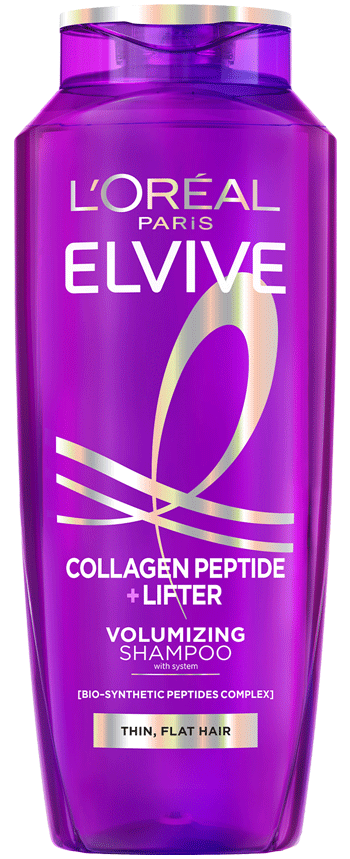
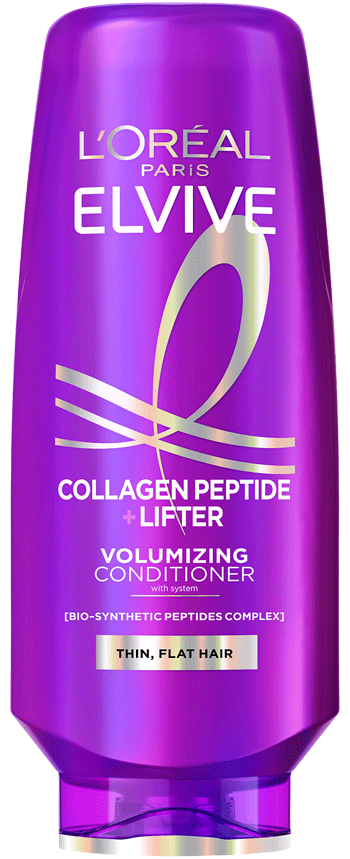
While the benefits of collagen peptides for hair growth remain up for debate, there’s no arguing that collagen can help make your hair appear thicker and fuller. If you have fine, limp strands in need of a boost, start your daily routine off strong with the L’Oréal Paris Elvive Collagen Peptide + Lifter Volumizing Shampoo for Thin, Flat Hair. The collagen peptide-infused formula gently cleanses without stripping and helps add volume to limp, flat hair. After lathering up, rinse your hair thoroughly, squeeze out excess moisture, then work the coordinating L’Oréal Paris Elvive Collagen Peptide + Lifter Volumizing Conditioner for Thin, Flat Hair throughout your mid-lengths and ends. The moisturizing formula wraps the hair fibers, helping to enhance volume for visibly fuller, thicker-looking strands.
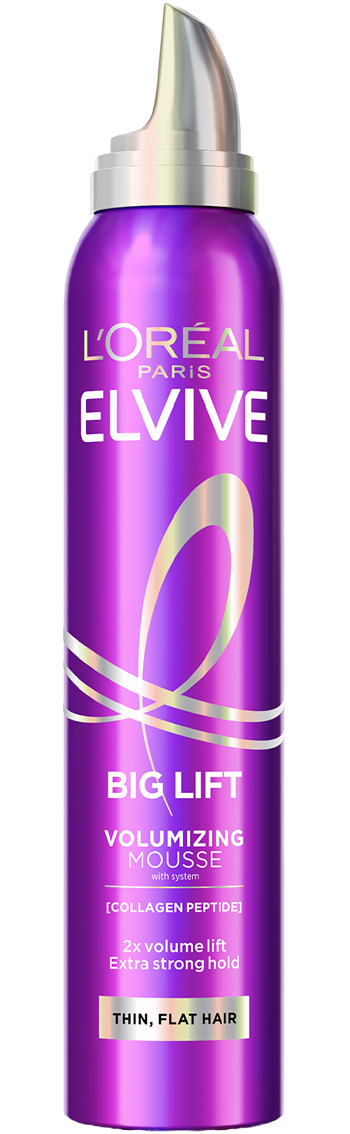
For an added boost, complete your routine with the L’Oréal Paris Elvive Collagen Peptide + Lifter Volumizing Mousse for Thin, Flat Hair. The collagen-infused formula instantly lifts limp hair, providing up to 72 hours of volume and hold without a crunchy or stiff feel.



Once per week (or more often, depending on your hair’s condition), give your tresses some TLC with a deep conditioning mask. These formulas tend to be richer than your everyday conditioners and are often formulated with ingredients designed to help support hair strength, repair, and resilience. One option we love, particularly for those with brittle or fragile hair, is the L’Oréal Paris Elvive Total Repair 5 Damage-Erasing Mask. It’s enriched with a 17% repair concentrate with protein and helps target five key signs of damage, including split ends, roughness, and fragility. Apply the rich, balm-like formula to damp hair after shampooing, let it sit for up to five minutes, then rinse for soft, silky-feeling strands.
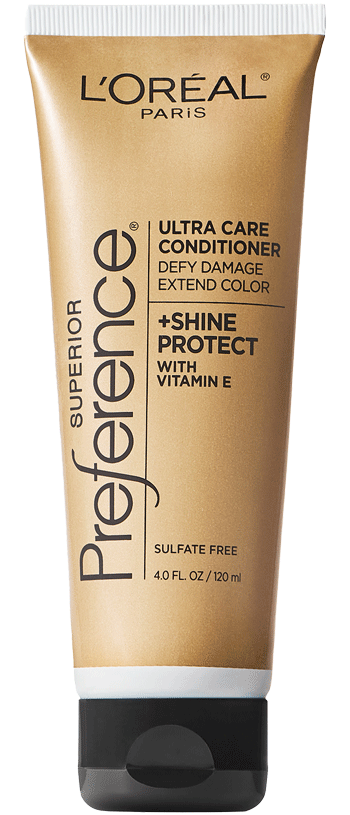
For those with color-treated hair, we recommend the L’Oréal Paris Superior Preference Shine Protect Ultra Care Conditioner (pictured below). It’s paraben- and sulfate-free, contains protective antioxidants and a UV filter, and helps hydrate the hair while protecting against fading for long-lasting color vibrancy.


Topical hair peptides often come in the form of leave-in treatments, which can contribute to buildup over time (especially if you have fine strands). If you notice your hair getting greasy faster than usual, or if your usual shampoo doesn’t seem to be cleaning as thoroughly as it once did, reach for a clarifying scalp treatment. We recommend the L’Oréal Paris Elvive Hyaluron + Pure Oil-Erasing Serum. It’s made with hydrating hyaluronic acid and a 6% exfoliating complex with salicylic acid and gently removes all traces of impurities to leave the scalp feeling purified and refreshed for up to 72 hours. To use it, massage a generous amount onto your dry scalp for roughly five minutes, then let it sit for another 15 minutes. Once the time’s up, hop in the shower and lather up with your preferred shampoo and conditioner, then dry and style as usual.
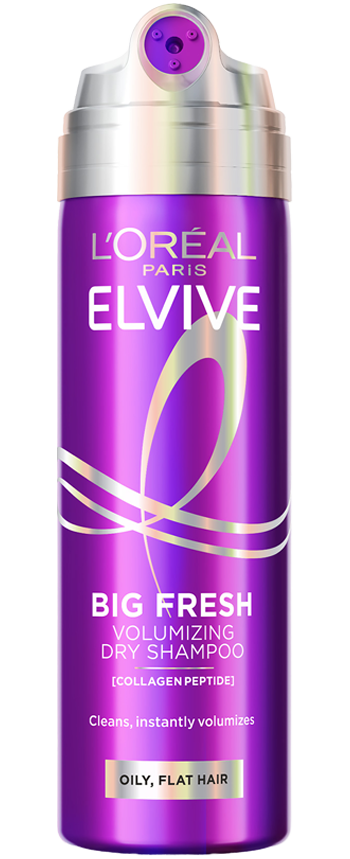
If you don’t have time for a full scalp reset but need to make your hair look cleaner quickly, target your roots with a dry shampoo. The L’Oréal Paris Elvive Collagen Peptide + Lifter Big Fresh Volumizing Dry Shampoo for Oily, Flat Hair (pictured below) instantly absorbs oil and boosts volume, leaving your hair looking full and fresh for up to 48 hours.


Peptides are everywhere right now, which means there’s no shortage of hype—and a few misunderstandings—around what they can actually do for your hair. Here are some of the most common myths, plus the reality behind them.
Peptides can be beneficial for hair by helping support stronger, healthier-looking strands, reducing the appearance of breakage, and improving overall hair quality. Some peptides may also support a healthier scalp environment, but more research is needed to confirm their ability to stimulate hair growth.
Some peptides, such as copper peptides (GHK-Cu), have shown potential for supporting hair health and follicle function, but no peptide is proven to regrow hair on its own. Results depend on the specific peptide, formula, and the cause of hair loss or thinning.
There is no single “best” peptide for men’s hair growth. Copper peptides (GHK-Cu) are among the most studied for scalp and follicle support, but effective treatment depends on factors like the cause of hair loss and the ingredients in the overall formula. If you’re experiencing hair loss, it’s best to visit a dermatologist for guidance.
Many topical peptide hair treatments are designed for daily use, but frequency depends on the specific product and ingredients. Follow the directions on your formula and use consistently for the best chance of seeing results.
Collagen peptide products help thin, fine, flat hair by wrapping the hair fibers to add visible density, body, and root lift without weighing strands down. Incorporating a volumizing system like the L’Oréal Paris Elvive Collagen Peptide + Lifter Volumizing Shampoo and the L’Oréal Paris Elvive Collagen Peptide + Lifter Volumizing Conditioner gently cleanses and conditions while delivering up to 72 hours of lightweight volume for visibly fuller strands. When used in conjunction with the L’Oréal Paris Elvive Collagen Peptide + Lifter Volumizing Mousse, 95% of GLP-1 users agree hair looks instantly more voluminous.*
*In a consumer test when using system of shampoo, conditioner and mousse tested with GLP-1 users.
Next Up: How To Get Voluminous Hair: Our Best Tips and Products for Big Hair
Photo courtesy of L’Oréal Paris
Sources

This site is intended for US consumers. Cookies and related technology are used for advertising. To learn more, or opt-out, visit AdChoices and our privacy policy.
Your Privacy Choices
 Notice at Collection