How To Choose The Best Hair Color for Gray Hair
From temporary touch-ups to long-term coverage.




Gray hair is a natural part of the aging process, and when it first appears, it can feel unexpected—especially if your natural color is on the darker side. While embracing gray is always an option, not everyone is ready to make that shift right away. If you plan to dye your hair instead, finding the right hair color for gray hair is essential for achieving coverage that looks natural and flattering.
The best way to cover gray hair depends on your goals. Some prefer using a temporary hair color for gray hair coverage, others opt for subtle highlights or lowlights to soften contrast, and still others favor permanent dyes for complete coverage with long-lasting results. If concerns about harsh ingredients are holding you back, many newer hair dyes for gray hair are ammonia-free, offering effective coverage while remaining gentle on your scalp and strands. Keep reading for an overview of each approach, tips for achieving seamless coverage, and a look at some of our favorite gray coverage hair colors.




Before getting into how to hide gray hair on brunettes and deeper natural shades, it’s worth saying this upfront: gray hair is completely natural. Whether you cover it, blend it, or grow it out is a personal choice. If you want to embrace your incoming silvery strands, you should feel free to do so. If not, there are plenty of ways to cover, soften, or blend new growth. The right approach depends on your end goal:
Note that gray coverage and blending typically involve the use of hair dye, which comes in three main types. Temporary dyes coat the surface of the hair and generally wash out in the shower, making them best for short-term touch-ups. Demi-permanent colors deposit pigment onto the hair, providing gentle coverage that typically lasts a couple of weeks. Finally, there are permanent dyes, made for complete, long-lasting coverage (usually up to eight weeks or more). No matter which you choose, you’ll want to select a dye formulated specifically for gray hair to ensure the best results.
The best hair color for gray hair depends on how much coverage you want and how long you want it to last.
When covering or blending grays, choosing the right color is just as important as selecting the right dye for your needs. Though the best color for gray hair depends on a few factors—including your starting shade and skin tone—here are a few tips to help narrow down your search:
If you’re having trouble narrowing down which shade is best for you, consult with an expert via the L’Oréal Paris Hair Color Concierge or try on different shades virtually with our Beauty Genius tool.
When silvery strands start weaving through your dark locks, you might wonder whether it’s time to adjust your hair color for easier blending. The choice is entirely yours, but there are a few things to keep in mind.
First, consider your natural hair color. Shades closest to your natural color are usually the lowest-maintenance and easiest to blend. Lighter browns and blondes create less contrast with gray than black or very dark brown, making them easier to maintain between color sessions.
You’ll also want to consider tone. Warm tones like caramel and honey brown soften contrast and help gray blend more naturally, while neutral medium browns and blondes tend to offer the smoothest, most natural coverage. Avoid overly ashy shades when you want full gray coverage—they can appear flat or even make your silvery strands appear more prominent.
Here’s a quick rundown on some of the best options for different hair colors:
Keep in mind that these are far from the only options available when it comes to covering grays. You can have fun with a trendy red hair color, experiment with platinum highlights, or even embrace your new roots with a smokey silver-gray hair color. Ultimately, it’s all about what works for you.
While you can absolutely choose any hair color you like, some shades can make emerging grays stand out more. For a more even, seamless blend, it’s best to avoid these tones:
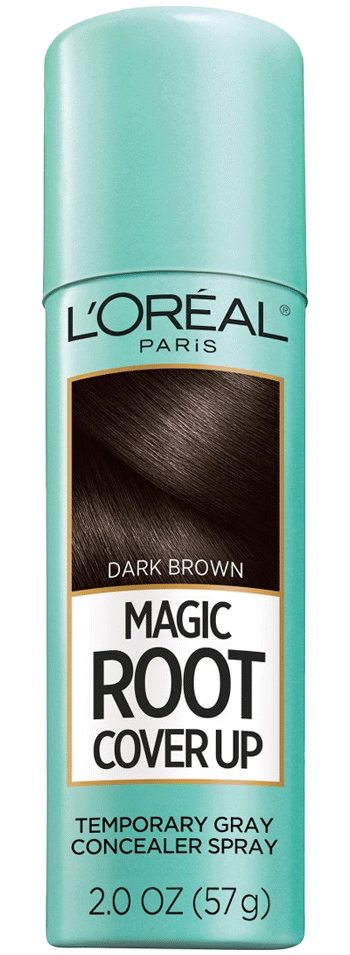
Not everybody has the time, money, or energy for regular salon visits—and luckily, you don’t have to. Temporary root touch-up products allow you to quickly conceal gray hair at home, making them ideal for use between salon visits or anytime you want to camouflage new growth quickly. Even first-timers can use them with minimal effort. Here’s a look at our favorite temporary formula.

Quickly cover gray roots with this gentle, ammonia-free root concealer spray. The versatile formula provides seamless coverage with a lightweight, non-sticky finish, and it’s suitable for all hair types and textures. The temporary color comes in eight shades that deliver instant 100% gray coverage, including options for brown, black, and even red hair. Plus, it doesn’t require any mixing or developer—all you have to do is shake the can, hold it four to six inches from your hair, and spray it onto your grays. The fast-drying, residue-free formula will provide seamless-looking coverage that lasts until your next shampoo.
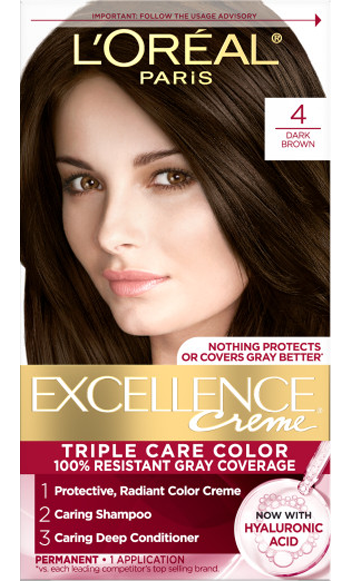
If your goal is to fully cover your grays, a permanent hair dye is the most effective option. Permanent dyes deliver long-lasting, uniform results, making them ideal if you have 40% or more gray hair or simply want complete coverage without having to rely on weekly touch-ups. (Plus, opting for a permanent color is a great way to experiment with a trendy new hue). Here are a few options we love:
For 100% gray coverage and rich, even color from root to tip, try this at-home color kit. The easy-to-use formula comes in 10 versatile shades, each combining iridescent warm pigments with icy cool tones for a naturally balanced, neutral-hued result. Its ammonia-free formula is gentle on hair and scalp, while Pro-Keratin Complex and caring agents help maintain strength and shine as it colors. Because it’s permanent, the results last until your hair grows out, giving you full coverage without the need for frequent touch-ups.

Protect your tresses and cover up to 100% of stubborn grays with this drugstore coloring kit. The lineup features an impressive 27 shades, from light blondes to rich, deep brunette hues, all of which are suitable for all hair types and textures. Plus, the hyaluronic acid-infused system is designed to protect your hair before, during, and after coloring, so you can spend less time worrying about damage and more time enjoying your radiant new hue.
If gray hairs start to peek through between coloring sessions, there’s no need to stress. Gray roots on dark hair can stand out more than on lighter shades, but with the right tools and a quality at-home formula, they’re easy to manage.
For quick, at-home touch-ups that last up to four weeks, consider the L’Oréal Paris Magic Root Rescue 10 Minute Root Hair Coloring Kit. This easy-to-use kit applies and processes in just ten minutes, providing 100% gray coverage with a smooth, seamless finish. Unlike traditional permanent dyes, Root Rescue is specifically designed for targeted root coverage, making it ideal for maintaining a seamless, uniform look between coloring sessions. Plus, it comes with a built-in application brush, so you don’t need to assemble any tools before getting started.
The lineup includes 15 shades that blend beautifully with a wide range of hair colors, including professional salon hues. If you’re stuck between two shades, opt for the lighter shade—it’ll blend more naturally with your existing color for a seamless look from root to tip.

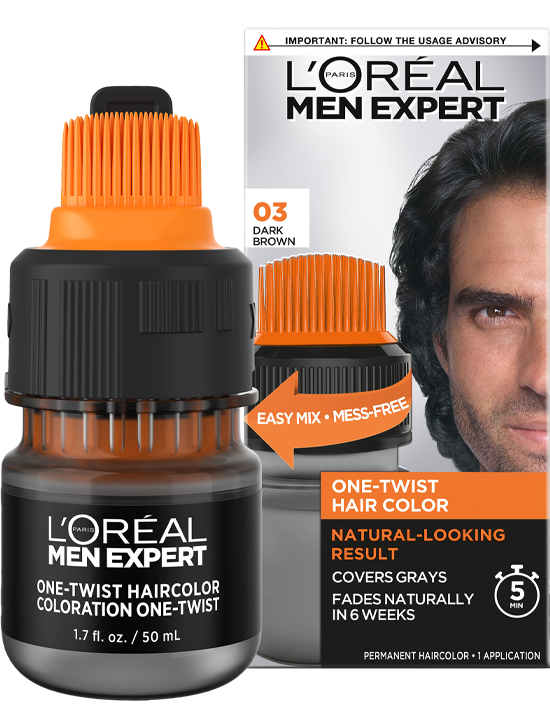
For men, we love the equally easy-to-use L’Oréal Paris Men Expert One-Twist Hair Color, which is made specifically for men’s hair. The ammonia-free hair color comes in seven shades that offer undetectable, long-lasting gray coverage. All you have to do is twist, shake, and apply the hair dye to your grays with the precise applicator comb for root coverage that lasts up to six weeks.
If you don’t want to fully cover your grays, blending them with your natural roots is a low-maintenance alternative worth trying. Gray-blending techniques require less frequent dyeing than permanent, all-over color and work best for those with less than 50% gray or anyone looking to reduce upkeep. The key is adding dimension with strategically placed highlights or lowlights, which softens the contrast between dark hair and silver strands while keeping your look natural.
Ahead, we’ll dive into a few popular techniques for blending gray hair.
Babylights are ultra-fine, subtle streaks of lighter color painted throughout the hair to create natural dimension, especially around the face and crown of the head. This technique is excellent for camouflaging grays around the face and hairline without altering your base color too much. Nailing babylights requires a practiced hand, so we recommend leaving this to a professional—even if you have experience with at-home color.
Herringbone highlights refer to a technique in which two or more similar colors—think bright silver and smokey gray—are woven throughout the hair to create depth and dimension. This “salt-and-pepper” effect softens contrast between dark roots and silver strands, blending gray more seamlessly while adding subtle visual texture.
Balayage is a hand-painted highlighting technique that creates a gradual, natural-looking color melt. Silver or gray balayage incorporates cool-toned highlights to complement gray strands. This unique approach allows your gray hair to appear intentional rather than out of place, creating a smooth transition from dark roots to lighter ends. Plus, balayage highlights usually start a bit further down from the root, making the grow-out period feel completely effortless.
Lowlights are similar to highlights, only instead of brightening the hair, these streaks deepen your color for depth and contrast. Done right, lowlights can prevent silver strands from standing out starkly against your base color, adding natural depth and softening the overall look while keeping the grays integrated.
Next Up: How To Keep Color-Treated Hair Looking Vibrant and Healthy
Photo courtesy of L’Oréal Paris

This site is intended for US consumers. Cookies and related technology are used for advertising. To learn more, or opt-out, visit AdChoices and our privacy policy.
Your Privacy Choices
 Notice at Collection