Heat Protectant Is A Must — Here’s How To Use It The Right Way
Don’t style your hair without this staple.




Overview
Heat protectants are leave-in hair products designed to help shield strands from the damaging effects of heat styling. Using one before applying heat can help guard your hair against heat damage, which often manifests as dryness, breakage, or split ends. While all heat protectants help shield against high temperatures, they can come in a range of textures and formats; choosing the right one depends on your hair type, texture, and styling goals.
When you’re pressed for time in the morning, it can be tempting to skip a step or two and get straight to styling your hair. But heat styling without protection can damage your hair over time, leaving strands dry, brittle, and more prone to breakage. Prepping your hair with a heat protectant can help guard against heat-related damage, making it a must for keeping your hair healthy when you’re using a blow dryer or heating styling tool.
Heat protectants for hair come in several formats, including sprays, creams, oils, and serums, each with distinct benefits. The right formula often depends on your hair type, texture, and styling goals. Ahead, we’ll explain everything you need to know about using a heat protectant properly, share tips on choosing the right formula for your needs, and introduce you to some of our favorite heat protectant sprays, creams, and oils to help prevent heat damage.
The term “heat protectant” refers to any leave-in styling product designed to help reduce the damaging effects of heat exposure from blow dryers, flat irons, curling irons, and other heat-styling tools. These formulas create a protective layer around the hair, which can help minimize moisture loss and guard against dryness, brittleness, and breakage.
Heat protectants come in several formats, including sprays, creams, oils, and serums. Depending on the formula, a heat protectant may also help smooth frizz condition the hair, or boost shine. The best option for you depends on your hair type, styling routine, and desired results.
Heat protectants work by forming an invisible protective layer around your hair cuticle that helps reduce the impact of heat from styling tools. This layer can help slow moisture loss and distribute heat more evenly across the hair, which can help prevent dryness, brittleness, and breakage caused by heat styling. Different formulas offer varying levels of protection, but many are designed to shield against temperatures up to 450 degrees Fahrenheit—the standard upper limit of most at-home hot tools.
Keep in mind that a product that claims to protect hair up to a certain temperature doesn’t mean you should always use your hot tools at that temperature. To protect your hair, it’s always best to choose the lowest heat setting that achieves your desired style.
Repeated exposure to high heat can take a toll on your hair, especially when you style with hot tools frequently or use high temperatures. Over time, heat can strip moisture from the hair, leaving your strands dry, brittle, and rough. Exposure to high temperatures can also contribute to split ends and breakage, making damaged hair more difficult to manage and style.
Using a quality hair heat protectant when you style your strands can help reduce the impact of heat exposure, but it shouldn’t be your only line of defense against damage. Use the lowest effective heat setting for your hair, avoid repeatedly passing hot tools over the same section, and give your hair breaks from heat styling when possible. Together, these habits can help minimize damage and support strong, healthy-looking hair.
While the directions for how to use a heat protectant spray and how to use a different type of leave-in—like a cream or an oil—may differ slightly, the general process remains the same. Ahead, learn how to apply heat protectant properly to guard your hair against heat damage.
Some heat protectants are designed for use on damp hair, while others are made for dry hair. Check the product directions first, then prep your hair according to the recommended application method. If your heat protectant is intended for damp hair but you don’t have time for a full wash, mist your hair with water until it’s evenly damp from roots to ends. Then, detangle your hair with a brush or wide-toothed comb to help facilitate an even application.
Divide your hair into manageable sections before applying heat protectant. Working in smaller sections makes it easier to coat all your strands, including the bottommost layers, which can be easy to miss. You don’t need to create a complicated sectioning system; just separate your hair enough to ensure thorough coverage.
Apply the recommended amount of heat protectant for your hair length and density, following the product’s directions. For spray formulas, hold the bottle about 6 to 8 inches away from your hair and mist each section thoroughly. For creams, oils, and serums, use the amount and application method specified on the label, as these formulas require different application techniques.
Next, work the product through each section of hair to ensure even coverage from roots to ends. You can use a comb or brush to distribute the formula when appropriate. Add more product as needed to ensure an even application, but avoid oversaturating your hair—if you’re using a flat iron or curling wand, excess moisture could negatively impact your styling routine.
Follow the product directions to determine whether your hair should be damp or dry before using your heat tool. You can apply a heat protectant designed for damp hair before blow-drying, while formulas intended for flat irons or curling irons may be designed for use on dry hair. Never assume that one application method works for every heat protectant; check the label and make sure your hair is in the recommended condition before styling.
If you’re restyling your hair or exposing it to additional heat, check the product directions to determine whether you should reapply. Don’t automatically add more product after every pass of a hot tool. Instead, follow the recommended usage instructions and avoid unnecessary repeated heat exposure whenever possible.
No single heat protectant works equally well for everyone. The right formula for you depends on a few factors, including your hair’s characteristics, your styling routine, and the finish you want.
| Consideration/Concern | What To Look For |
| Fine or thin hair | Lightweight sprays or mists that won’t weigh your hair down |
| Dry or thick hair | Hydrating lotions, creams, or leave-in conditioners |
| Coarse or frizz-prone hair | Non-greasy oils or serums with frizz-control benefits |
| Heat styling on damp hair | Choose a product specifically for wet/damp hair |
| Flat ironing or curling | Choose a product designed for use on dry hair |
| Frizz or smoothing needs | Smoothing sprays, lotions, creams, or oils |
To best protect your hair, heat protection should also be tailored to the type of styling tool you’re using. Different tools distribute heat in different ways, so choosing the right formula and application method can help limit heat-related damage.
| Styling Approach | Application Considerations |
| Blow dryer | Use a product formulated for damp hair and distribute evenly before blow-drying |
| Flat iron | Use a product for dry-hair heat styling; ensure hair is completely dry before applying heat |
| Curling iron | Use a product for dry-hair heat styling; ensure hair is completely dry before applying heat |
| Multiple or repeated styling passes | Limit repeated heat exposure and reapply heat protectant as needed, following product directions for proper use |
The right heat protectant can help protect your strands while supporting the finish and style you want. Whether you prefer a lightweight spray, a smoothing cream, or another formula, explore our top picks from L’Oréal Paris below.
| Formula | Format | Best For | When To Use |
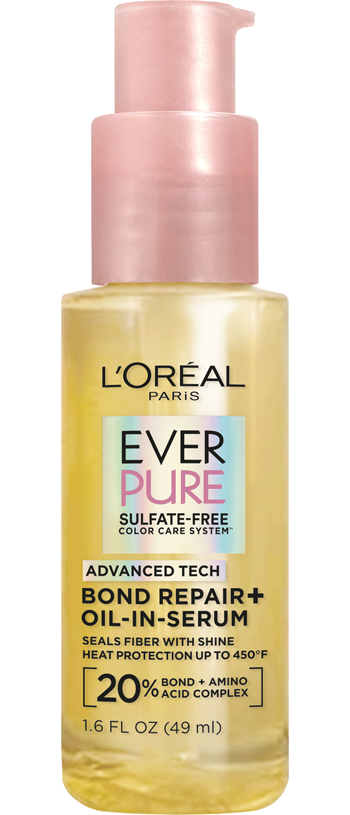
| L’Oréal Paris EverPure Bond Repair+ Oil-in-Serum | Lightweight oil-infused serum | Suitable for all hair types, but ideal for damaged hair | On damp hair before blow-drying or heat styling |
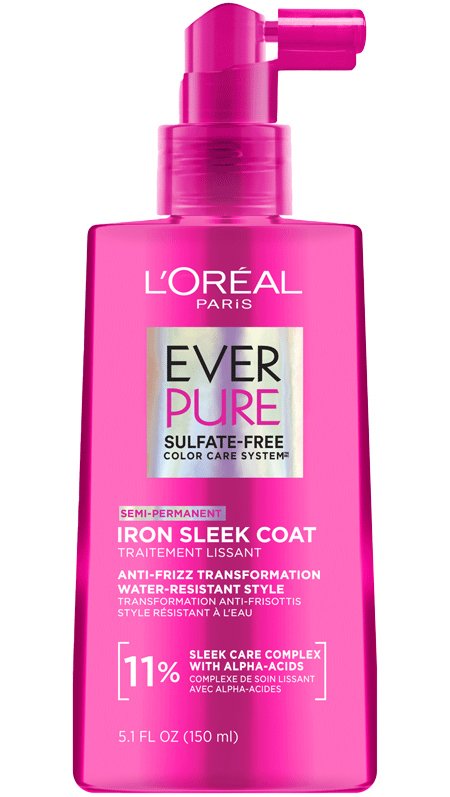
| L’Oréal Paris EverPure Sulfate-Free Iron Sleek Coat Smoothing Treatment | Lightweight spray | Coarse or frizzy hair | On damp hair before blow-drying |
| L’Oréal Paris EverPure Sulfate-Free Moisture 21-in-1 Leave-In Conditioner | Hydrating, creamy spray | Dry or dehydrated hair | On damp hair before blow-drying |
| L’Oréal Paris Elvive Dream Lengths Heat Slayer Leave-In | Sprayable serum | Dry or damaged hair | On damp hair before blow-drying; if flat-ironing, allow hair to dry before styling |
All hair types can benefit from the reparative benefits of this oil-infused serum, but it’s especially beneficial for damaged hair. The lightweight formula boasts a unique Bond + Amino Acid Complex and reinforces weak hair bonds from the inside out, helping to strengthen fragile strands and reduce breakage. Apply it to damp hair before styling for protection against temperatures up to 450 degrees Fahrenheit. You can also apply a small amount to dry hair after styling for added softness and shine.



If your hair is prone to frizz and never seems to lay flat, add this heat protection spray for hair to your lineup ASAP. When applied before blow-drying, the lightweight mist acts as a semi-permanent smoothing treatment, creating a water-resistant barrier that keeps the hair sleek, smooth, and frizz-free for up to five washes. To use it, lather up with the coordinating shampoo and conditioner, then gently towel-dry your hair to remove excess moisture. Mist the treatment throughout your strands, brush or comb to distribute it evenly, then blow-dry your hair under tension to activate the formula. It protects against temperatures up to 450 degrees Fahrenheit, but as always, we recommend using the lowest heat setting possible to help minimize heat exposure.

The 450-degree Fahrenheit heat protection is only one of several perks of this lightweight leave-in. The multitasking formula also hydrates, smooths, tames frizz, detangles, and boosts shine—which is why it’s among our top picks for those with dry, dull strands. Spritz it liberally throughout damp hair after washing, then use a wide-toothed comb to detangle and distribute the nourishing formula evenly throughout your strands.

If you’re trying to grow your hair out, heat damage—and the split ends that often accompany it—can get in the way of your goals. To help protect against heat damage and support stronger strands, reach for this heat defense spray for hair. The castor oil and keratin-infused formula protects your hair against temperatures up to 450 degrees Fahrenheit while helping to smooth, seal, and hydrate your hair. Apply it to damp strands before styling and brush through evenly for the best results.



Using a heat protectant can help reduce the risk of developing heat-related damage, but it can’t reverse damage that has already occurred. If your hair is already showing signs of damage (such as dryness, brittleness, or breakage), you may want to consider adding bond-repairing hair-care products to your routine.
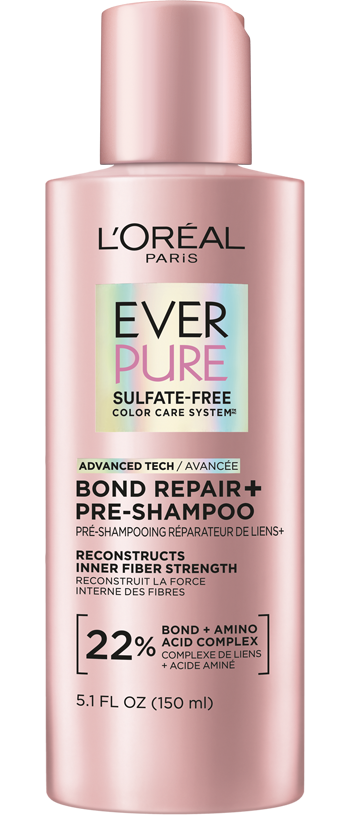
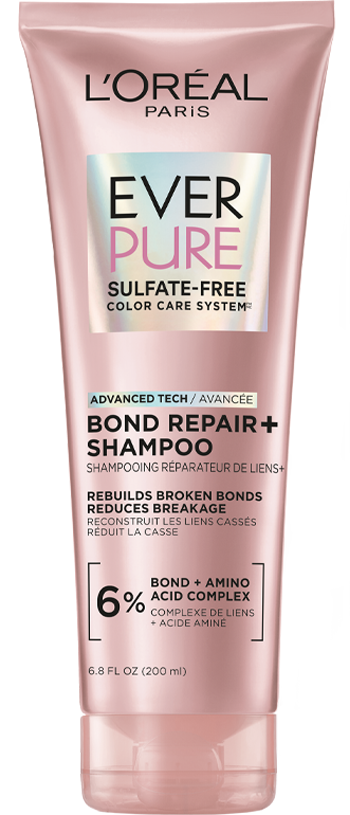
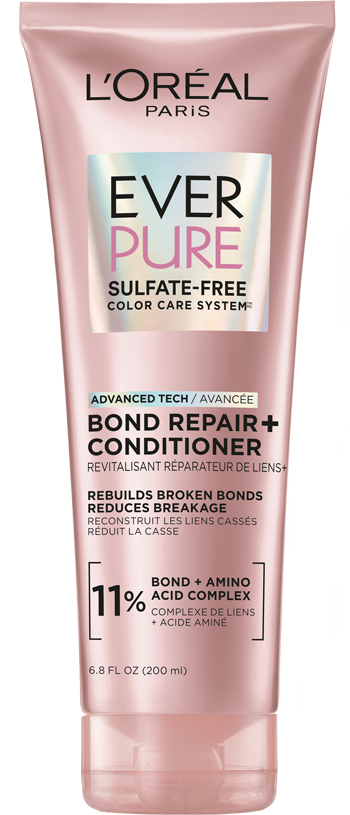
The L’Oréal Paris Bond Repair+ system includes a reparative pre-shampoo treatment, a gentle sulfate-free shampoo, a creamy conditioner, and a leave-in heat protectant to help care for and protect damaged hair. Each product in the lineup contains a unique Bond + Amino Acid Complex to help reinforce weakened hair bonds, strengthening fragile hair from the inside out.
While the L’Oréal Paris EverPure Bond Repair+ Oil-in-Serum is the only product in the lineup that actually protects against heat damage (it helps shield against temperatures up to 450 degrees Fahrenheit), the other products help strengthen your hair to improve its resilience and overall appearance. We recommend using the shampoo and conditioner daily—or whenever you lather up—and adding in the pre-shampoo treatment and heat-protectant as needed, according to your hair’s condition and styling routine.

A heat protectant is an important part of your routine, but it shouldn’t be your only strategy for preventing heat damage. The way you use your hot tools, how often you reach for them, and the amount of heat you apply can also affect your hair’s condition. Keep these four tips in mind to help limit heat exposure and protect your strands.
If you have time, let your hair partially air-dry before using your blow dryer. Starting with hair that’s already somewhat dry can shorten your blow-drying time and reduce unnecessary heat exposure. You don’t have to wait until your hair is completely dry—even letting it air-dry for a few minutes can reduce how long you need to use your blow dryer.
Reducing how often you use hot tools can help minimize repeated heat exposure and limit damage. The American Academy of Dermatology (AAD) recommends limiting flat-iron use to every other day and decreasing how often you blow-dry your hair.I When possible, give your hair a break from heat styling and opt for a heat-free style (like loose beachy waves) instead.
Use the lowest heat setting that allows you to achieve your desired style. Higher temperatures aren’t always necessary and can increase the risk of heat-related damage, particularly if your hair is already dry or damaged. To minimize damage, consider your hair’s condition, texture, and styling needs when choosing a heat setting.
Repeatedly applying concentrated heat to the same section can increase your hair’s exposure and the risk of heat-related damage. Work in manageable sections so you can achieve your desired style with as few passes as possible. Additionally, when using a curling iron or flatiron, avoid holding the tool in place for longer than necessary. The American Academy of Dermatology recommends limiting contact to a second or two to prevent unnecessary damage.
Next Up: How To Do a Silk Press At Home for Smooth, Shiny Hair
Photo courtesy of L’Oréal Paris
Sources

This site is intended for US consumers. Cookies and related technology are used for advertising. To learn more, or opt-out, visit AdChoices and our privacy policy.
Your Privacy Choices
 Notice at Collection