Should You Use Conditioner or Shampoo First?
Your hair routine is about to change




Washing your hair may seem straightforward, but the order in which you apply products can change everything about how your hair looks and feels. If you’ve wondered whether using conditioner or shampoo first really makes a difference, the answer is yes—and the right order will depend on your scalp and your hair’s texture.
Shampoo is typically applied before conditioner to cleanse the scalp, but reverse washing can work for some hair types—including fine and frizzy hair. For most people, shampoo first is the best default because it removes excess oil and buildup before you condition the lengths. Reverse washing, which means applying conditioner before shampoo, can be helpful when you want lightweight softness without extra weigh-down.
Co-washing skips shampoo and uses conditioner to cleanse, which can work for very dry hair but is not ideal for everyone. Continue reading to discover whether you should use conditioner before or after shampoo, along with expert tips for various hair types and common wash-day concerns.
Co-washing is the process of cleansing your hair only with conditioner (or a cleansing conditioner) instead of traditional shampoo. It’s often a good fit for very dry, tightly coiled, or textured hair that needs extra slip and moisture.
Reverse washing is still a two-step routine, but it flips the order, so conditioner goes on first, and shampoo goes on second. If you have fine hair or easily weighed-down ends, this can help you get softness without a heavy finish.
In general, both co-washing and reverse washing are great methods for people who find shampoo to be too drying. If this is your case, consider reaching for lightweight hydrating products, such asL'Oréal Paris Elvive Hyaluron + Plump Hydrating Shampoo andL'Oréal Paris Elvive Hyaluron + Plump Hydrating Conditioner. Whether you choose to use conditioner or shampoo first, this duo gently cleanses, instantly hydrates, and replumps dry hair for up to 72 hours without weighing it down.




Choosing conditioner before or after shampoo depends on how your hair behaves after a wash or if your hair is in need of extra hydration. Reverse washing tends to be most useful when you want hydration and smoothness, but your hair gets limp easily.
Here are two moments when you might want to try starting with conditioner, not shampoo first:
If you want more on hair repair and protection, check outBest Treatments for Heat-Damaged Hair.

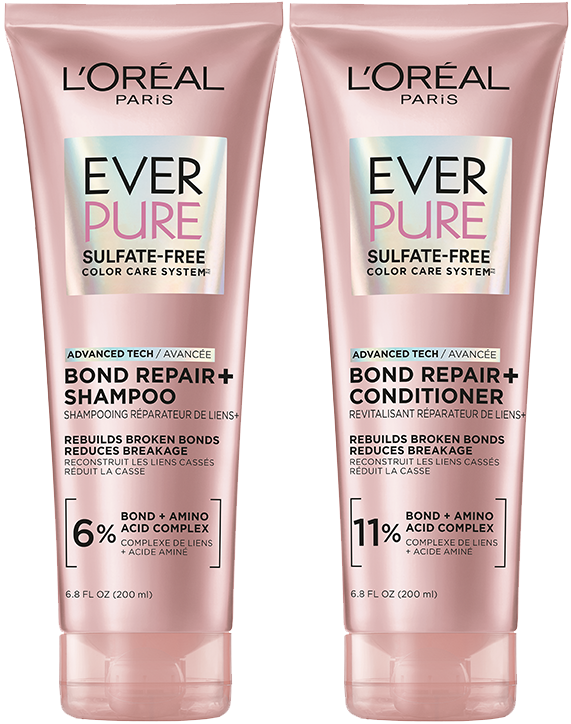

If you're still wondering what goes first, shampoo or conditioner, think about what each product targets: shampoo cleanses the scalp and roots, while conditioner seals in moisture and smooths the lengths. When you reverse the order, you can protect the ends first, then cleanse away what you don’t need, avoiding weigh-down.
Here are the hair types that can benefit the most from starting with conditioner, instead of shampoo first:
Fine strands can get weighed down easily—especially when conditioner residue sits too close to the roots. Reverse washing can help because you soften and detangle the lengths first, then shampoo your scalp after to lift away excess conditioner so hair feels cleaner, lighter, and more voluminous.
For a volume-boosting pairing, applyL'Oréal Paris EverStrong Thickening Conditioner from mid-lengths to ends, rinse, then cleanse the scalp and roots withL'Oréal Paris EverStrong Thickening Shampoo.

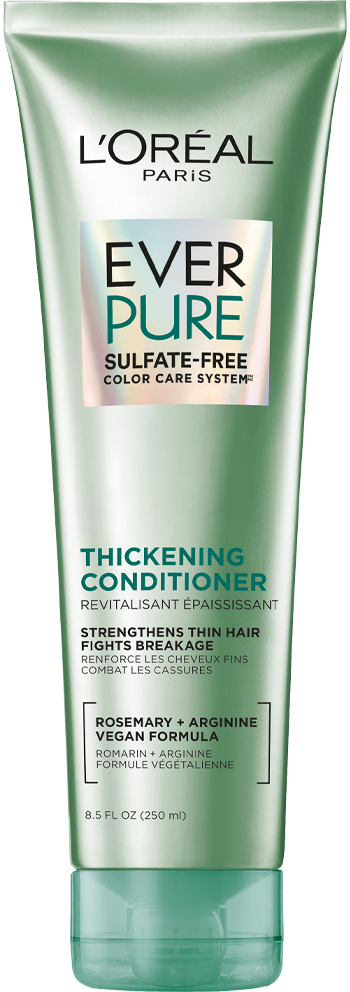
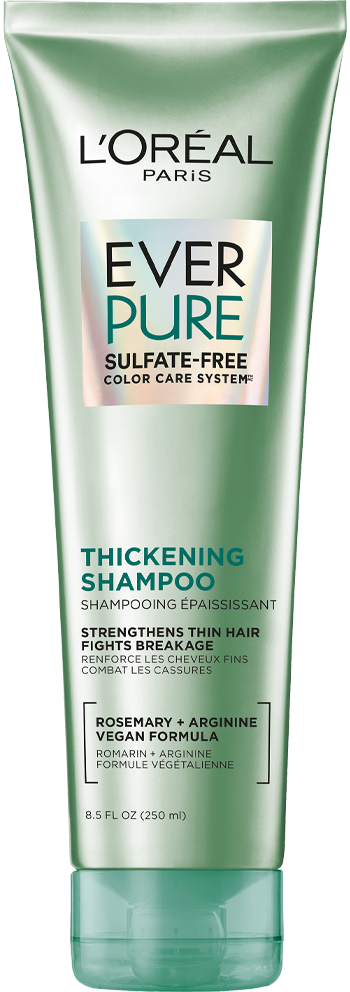
When your roots get greasy quickly, it’s easy for conditioner to make the scalp feel even more coated. Reverse washing can help because you condition the ends first, then shampoo your scalp after to lift oil and rinse away leftover product so roots feel cleaner and less weighed down.
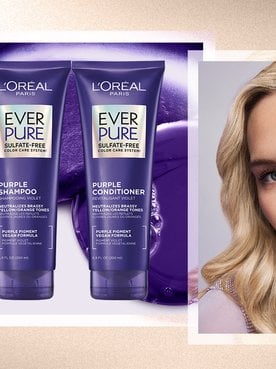
For a fresh-start pairing, applyL'Oréal Paris EverPure Sulfate-Free Restoring Conditioner with Antioxidants from mid-lengths to ends, rinse, then cleanse the scalp and roots withL'Oréal Paris EverPure Sulfate-Free Clarifying Shampoo with Antioxidants.


Frizz often shows up when hair feels dry or rough and the cuticle isn’t lying flat. Reverse washing can help because conditioner gives the lengths slip first, then shampooing your scalp after helps remove excess conditioner so hair looks smoother without feeling heavy at the roots.
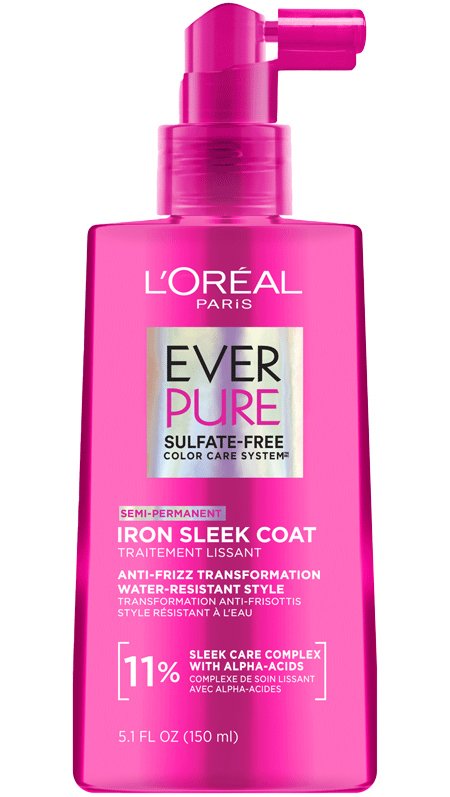
For a smoothing pairing, applyL'Oréal Paris EverPure Sulfate Free Iron Sleek Smoothing Conditioner from mid-lengths to ends, rinse, then cleanse the scalp and roots withL'Oréal Paris EverPure Sulfate Free Iron Sleek Smoothing Shampoo. If you want extra smoothness, applyL'Oréal Paris EverPure Iron Sleek Coat Anti Frizz Hair Treatment on damp hair.

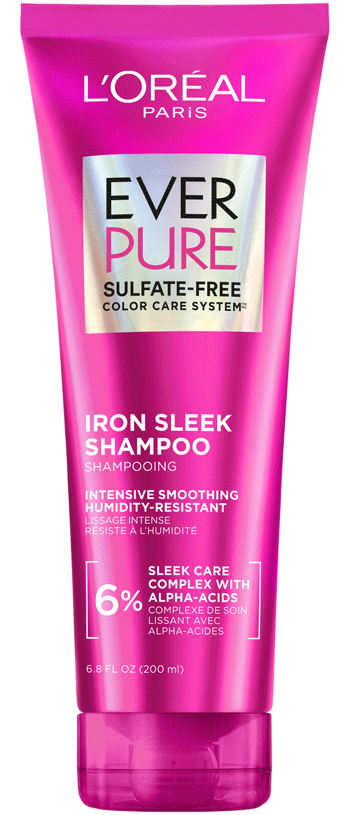
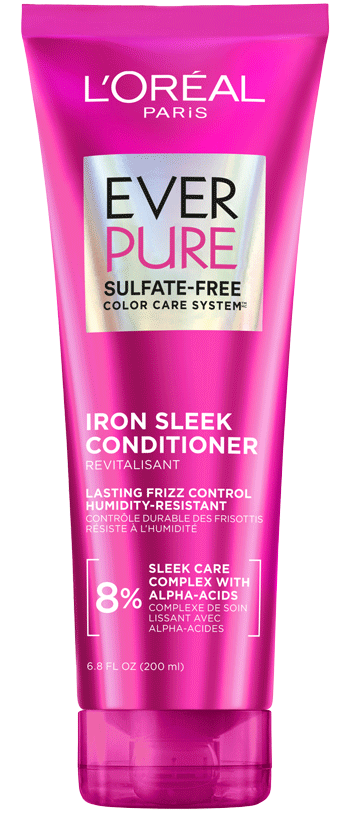
If you’re still deciding between conditioner or shampoo first, you need to know this approach is not ideal for all hair types. For example, for coarse or tightly coiled hair, shampoo first may be better, followed by a richer conditioner or leave-in for a more conditioned feel.
Not every conditioner is a good match for reverse washing. Very rich masks and deep conditioners can leave behind residue, even when followed by shampoo, and weigh down your hair. That's why hair types that require richer products for a well-conditioned feel and more manageable strands—such as very dry, coarse, and tightly coiled hair—won't benefit from reverse washing.
For the best results, choose lighter, sulfate-free formulas. Lightweight conditioners are less likely to leave residue behind when you shampoo after, keeping hair from feeling coated or weighed down. A gentle, sulfate-free shampoo can also be a better match for reverse washing, as it cleanses without over-stripping the lengths, allowing hair to feel clean while still supporting moisture retention.
Explore all the options available in the L'Oréal Paris Ever Sulfate-Free Hair Care line to find a tailored match for your specific hair needs. If you want more guidance on conditioner placement and common application mistakes, seeHow To Use Conditioner for Hydrated, Healthy-Looking Hair.
Washing your hair with only conditioner—also known as co-washing—can be useful for very dry hair, but it may not fully remove heavy oils, silicones, or styling buildup for everyone. It’s also not ideal if you have an oily scalp, fine hair that gets weighed down easily, frequent product use, or ongoing scalp concerns, since buildup can linger at the roots.
If you co-wash regularly, plan to clarify occasionally to keep your scalp and roots feeling fresh. On reset days,L'Oréal Paris EverPure Sulfate-Free Clarify and Restore Kit can help lift buildup while keeping lengths from feeling stripped.


Yes—if you’re weighing shampoo or conditioner first, shampoo first is still the best choice for most people, especially if you have an oily scalp, use a lot of styling products, or wash infrequently. A thorough scalp cleanse helps prevent buildup and greasy roots soon after you step out of the shower.
Shampoo isn’t better than conditioner, and conditioner isn’t better than shampoo—they do different jobs. Shampoo cleanses the scalp and roots, while conditioner helps hydrate and smooth the lengths, so most routines work best when you use both.
A solid wash routine comes down to where you apply each product, not just which one you use first. Whether you follow a classic routine or try reverse washing, these tips help you get a clean scalp and conditioned lengths.
If you’ve wondered whether a 2-in-1 shampoo and conditioner is good or bad, the answer is that they can be convenient, but they do not always deliver the same targeted results as using separate products. Because shampoo and conditioner are designed to do different jobs, a combo formula may not cleanse the scalp thoroughly while also conditioning the lengths.
If you like the speed of a combo, use it on low-buildup days and pay attention to how your scalp feels afterward. When you need more customization, alternating with a traditional shampoo-and-condition routine can be a better option.
Next Up:How To Use Hair Oil Without Making Your Hair Greasy
Photo courtesy of L’Oréal Paris

This site is intended for US consumers. Cookies and related technology are used for advertising. To learn more, or opt-out, visit AdChoices and our privacy policy.
Your Privacy Choices
 Notice at Collection