Lotion vs. Cream: What's the Difference and When To Use Each?
Both moisturize, but their formulas may have distinctions that serve different skin types.




Moisturizing is one of the key pillars of any skincare routine, and getting clear on lotion vs. cream helps you choose what feels best on your skin. While both are designed to hydrate, they don’t always look or behave the same once you apply them. From lightweight, quick-absorbing formulas to richer, cushiony textures, the finish and ingredient balance can vary from one jar or bottle to the next. That’s why matching the formula to your skin type, the season, and even the time of day can make a noticeable difference.
If you’ve ever scanned the skincare aisle and felt confused by moisturizers labeled “lotion” or “cream,” you’re not alone. Ahead, we’re breaking down the difference between lotion and cream, plus how to decide which one (or both) belongs in your routine.




At the most basic level, creams and lotions are both moisturizers, and both are emulsions that blend water and oil so the formula spreads evenly on skin. The main difference between lotion and cream is the ratio: lotions typically contain more water for a lighter feel, while creams usually contain more oils and emollients for a richer texture.
That water-to-oil ratio is what changes how a moisturizer glides on, sinks in, and feels afterward. So with cream vs. lotion, it’s less about picking a “winner” and more about choosing what matches your skin in the moment. Your skin type, the weather, and even the time of day can all play a role in determining whether a cream or lotion feels best.
Lotions are lightweight moisturizers that have a higher water content than oil, which helps them feel fluid and fast-absorbing. If you’re comparing lotion vs. cream, lotion tends to have a more weightless, refreshing feel on the skin than cream.
Because lotions lean more water-based, they’re a great choice if you like your moisturizer to sink in quickly—especially when you’re layering SPF or makeup on top. This is the key difference between lotion and cream, since creams tend to feel richer and are more noticeable on the skin.
If you like a light moisturizer that absorbs quickly, lotion is a great fit—especially for combination or oily skin, daytime routines, and warm or humid weather when you want hydration without a greasy feel.
Creams are richer, thicker moisturizers with a higher oil content (think nourishing butters and emollients), which gives them that plush, cushiony feel on the skin. If you’re comparing lotion vs. cream, cream usually feels more comforting and “wraparound,” especially when your skin is feeling dry.
Because creams tend to include more oils and occlusive ingredients, they can help slow moisture loss and keep hydration sealed in longer. That's why the choice between cream vs. lotion often comes down to how much softness and staying power you want from your moisturizer.
If your skin is dry, tight, or rough—or if it’s cold, windy, or you’re moisturizing before bed—cream is often the better match. It can be especially helpful for drier areas like cheeks, neck, hands, and elbows when you want longer-lasting comfort without needing frequent reapplication.
When it comes to lotion vs. cream, both can do a great job moisturizing—it’s really about choosing the texture and finish your skin will love. The difference between lotion and cream is often most noticeable in how they feel: creams tend to be richer and more cushiony, while lotions can feel weightless and refreshing. When deciding between cream vs. lotion, consider your skin type, the weather, and whether you'll use it during the day or at night.
If your skin tends to be dry, tight, or a little rough, a richer cream can feel especially satisfying at night—this is where the “comfort” side of lotion vs. cream really shines. A cream helps seal in hydration so you wake up with skin that feels softer and more cushioned.
Try the L’Oréal Paris Age Perfect Skin Care Cell Renewal Midnight Cream for a wrapping, non-greasy finish. It’s made with a patented antioxidant and vitamin E, so it supports skin overnight while helping it look smoother and more refreshed by morning.

Another option is the L’Oréal Paris Age Perfect Collagen Expert Night Moisturizer. It’s an intensely hydrating night cream made with collagen peptides and niacinamide to help rehydrate, firm, and support more even-looking skin.

If you have oily or combination skin, you’ll usually feel best with a lightweight moisturizer that hydrates without adding extra shine—one of the most noticeable points in the difference between lotion and cream. Water-light formulas can be ideal in the morning because they sink in quickly under sunscreen and makeup.
Go for the L’Oréal Paris RevitaLift Micro Hyaluronic Acid + Ceramides Line-Plumping Water Cream. It pairs hyaluronic acid with ceramides to visibly replump skin with moisture, while supporting a healthier-looking barrier. This formula delivers a fresh, fast-absorbing feel.
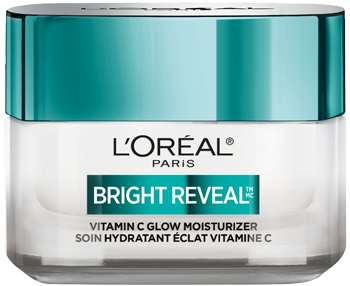
Another option to try is the L’Oréal Paris Bright Reveal Vitamin C Glow Moisturizer, 72H Hydration. This lightweight daily moisturizer is supercharged with vitamin C to brighten, niacinamide to help even skin tone, and ceramides to nourish with a glowing, hydrated finish.

The ingredient list matters just as much as texture when comparing lotion vs. cream options. In general, lotions lean on humectants for water-based hydration, while creams often include a higher dose of emollients and occlusives to soften skin and help lock that hydration in—one of the reasons lotions and creams can feel so different on the skin.
A well-rounded moisturizer can include ingredients from both categories, which is why you’ll sometimes see “water cream” formulas that feel light yet still leave skin comfortable. Matching ingredients to your skin concerns helps you get a formula that feels good and performs well—especially if you’re looking for that in-between lotion cream feel.
Humectants like hyaluronic acid and glycerin draw water to the skin’s surface, helping it look plumper and feel more comfortable. These ingredients can be helpful in both lotions and creams, especially if skin tends to feel tight after cleansing.
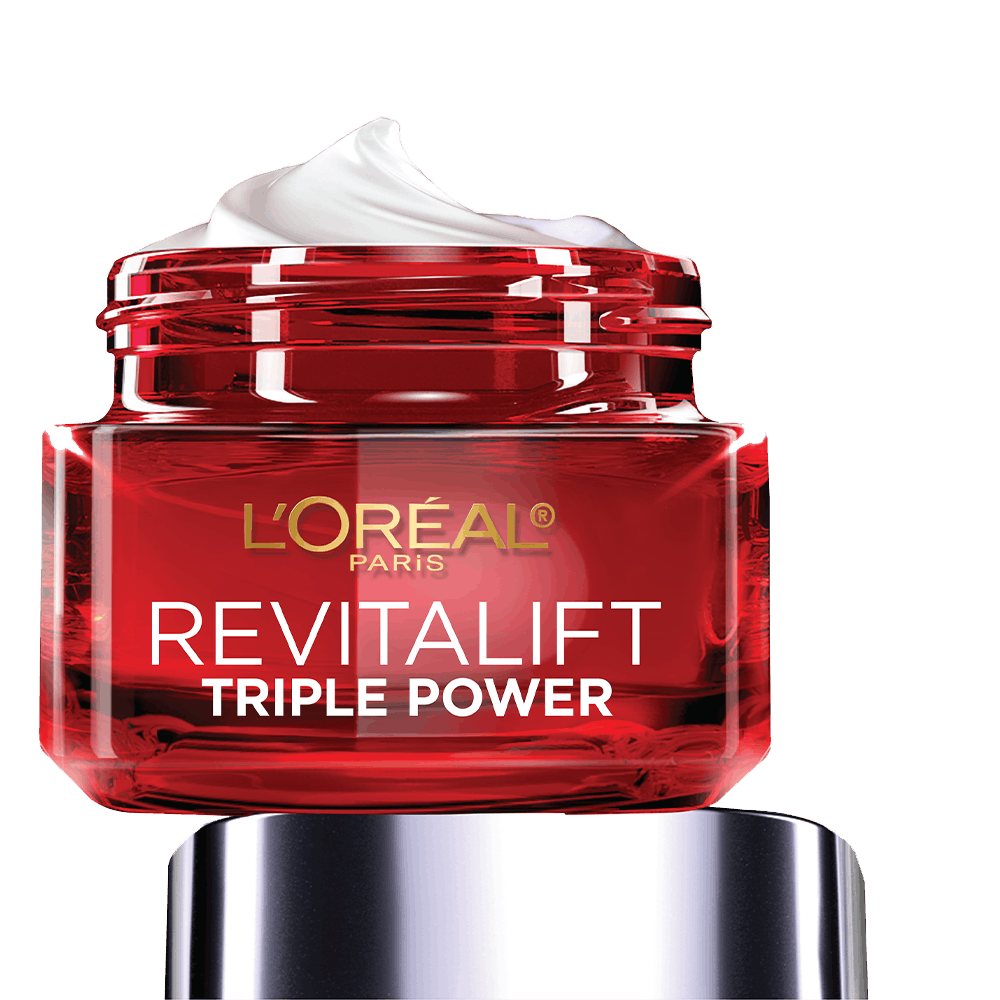
For example, the L’Oréal Paris RevitaLift Triple Power Anti-Aging Moisturizer is formulated with hyaluronic acid to help attract and retain moisture, and it also includes humectants like glycerin to support 24-hour hydration. It’s a nice pick when you want a cream that feels nourishing but still absorbs without a greasy finish.

Another option is a water-light moisturizer that pairs humectants with barrier-supporting lipids. The L’Oréal Paris Revitalift Hyaluronic Acid + Ceramides Plumping Water Cream combines micro hyaluronic acid for hydration with ceramides to help reinforce the skin barrier while delivering a lightweight finish.

Emollients, such as shea butter and ceramides, help soften the feel of dry, rough patches by smoothing and protecting the skin’s surface. Occlusives form a layer that helps reduce water loss—common examples include petrolatum, dimethicone, lanolin, and beeswax. In rich creams, these ingredients can make skin feel more cushioned, especially in cold weather, and they’re a big part of the difference between lotion and cream when skin is feeling extra dry.
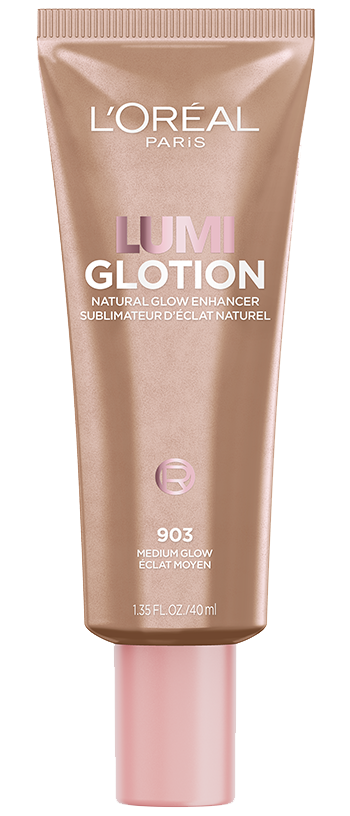
One example is the L’Oréal Paris Lumi Glotion All-in-One Glow Enhancer & Tinted Moisturizer, which is infused with shea butter to help nourish the skin while worn as a glowy base or finishing touch. Because it’s lightweight, it can give comfort and radiance without the feel of a thick face cream.
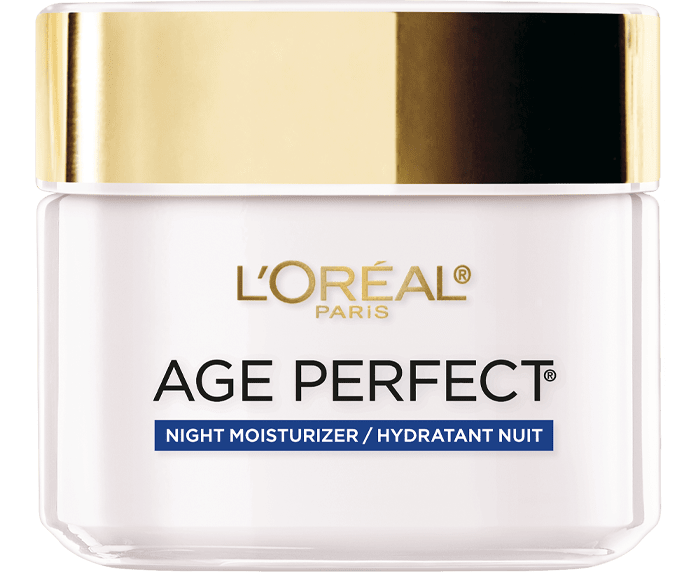
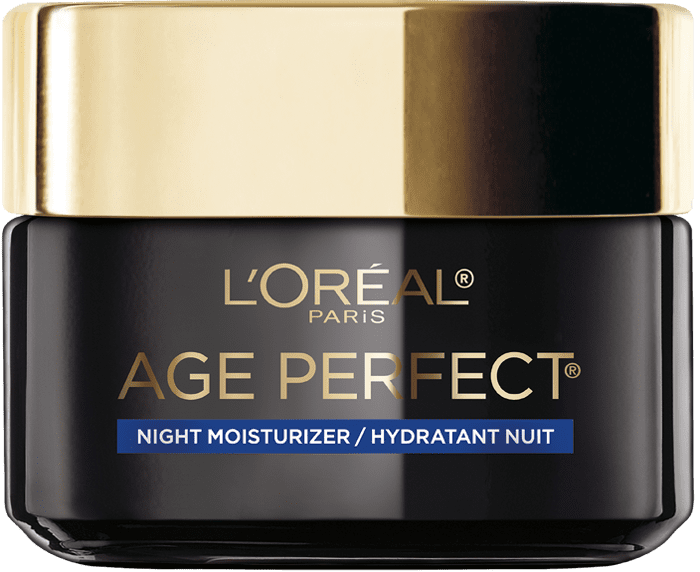
Another cream to try is the L’Oréal Paris Age Perfect Skin Care Cell Renewal Anti-Aging Night Moisturizer. It’s a rich nighttime moisturizer that’s made with an antioxidant complex and vitamin E to support skin’s natural renewal process. It also includes occlusive ingredients, such as dimethicone and beeswax, to help lock in hydration while you sleep.
Using a lighter lotion and a richer cream in the same routine can be a smart way to customize hydration without overdoing it, rather than having to choose between lotion vs. cream. Think of lotion as your “first layer” for quick moisture and cream as the “comfort layer” that helps keep that moisture from evaporating too quickly. A good rule of thumb for layering is to apply products from thinnest to thickest and give each step a minute to settle.
Another approach is to use a lightweight moisturizer in the morning and a richer cream at night. A quick-absorbing lotion or water-light formula layers nicely under sunscreen and makeup, while a creamier texture can feel extra soothing before bed when skin tends to lose more moisture.
You can also switch textures by season—lighter in summer, richer in winter—or keep both on hand and mix and match by zone. For example, use lotion on your T-zone and a cream on drier areas like cheeks, around the mouth, neck, hands, and elbows for targeted comfort without an overall heavy feel.
Next Up: The Korean Skincare Routine You Need To Try
Photo courtesy of L’Oréal Paris

This site is intended for US consumers. Cookies and related technology are used for advertising. To learn more, or opt-out, visit AdChoices and our privacy policy.
Your Privacy Choices
 Notice at Collection