Foundation for Acne-Prone Skin That Won’t Clog Pores
Gentle, lightweight, non-comedogenic formulas for your skin
Gentle, lightweight, non-comedogenic formulas for your skin




If you have acne-prone skin, you know how frustrating it is to wake up with a blemish (or a face full of them). Your first instinct may be to grab whichever foundation and concealer are in reach to cover your spots, but it’s important to find the right foundation for acne-prone skin. Not all formulas are right for everyone; some might not have enough coverage, while others could contain ingredients that may cause breakouts. Keep reading to learn about our best foundations for acne-prone skin so you’ll be more equipped to cover breakouts with makeup next time.




Before heading out to buy a new foundation for oily, acne-prone skin, be sure to know what to look for. Here are a few tips and considerations that you may find useful to find the best non-comedogenic foundation for acne-prone skin:
When it comes to the best foundation for acne-prone skin, ingredients matter more than anything. Take note of the following recommendations:
Oil-free vs oil-based
Think first about base composition. Oil‑free or water‑based formulas tend to feel lighter and can be more comfortable on oily or combination complexions. These formulas help reduce slip and shine on oily or combination skin. Oil-based or heavy emollients can feel rich, but they may increase the likelihood of congestion in certain skin types.
Non-comedogenic matters
If you have acne‑prone or oily skin, always check the label for "non‑comedogenic" claims. This indicates that the formula is designed to minimize pore clogging, which could lead to breakouts, making it a good foundation for acne-prone skin.
Acne-friendly actives
Support skin with actives often found in makeup-hybrid formulas, like salicylic acid, niacinamide, or hyaluronic acid, for lightweight hydration and gentle resurfacing. Prioritize soothing, fragrance-free options when possible. Acne-friendly extras help makeup sit smoothly and can visually refine the appearance of pores and post-blemish marks.
Match finish to your skin’s needs. Matte and natural-matte finishes can help manage shine, making them the best choice for foundation on oily, acne-prone skin. Satin, on the other hand, can look lifelike on combination skin. If you have acne-prone skin, we suggest avoiding dewy finishes, as they can highlight texture and shine.
Another consideration in choosing a foundation for acne-prone skin is coverage: Think buildable, not mask-like. A light or medium, buildable base helps avoid caking around active breakouts, scars, or enlarged pores. Use targeted concealer on spots and keep the rest of the face lighter for a seamless result.
Buyer checklist
Common triggers to consider
Some skin types may be sensitive to rich oils, certain heavy silicones, or added fragrance. Always patch test when trying a new base and introduce one product at a time. If you are using a strong acne treatment, choose gentler, hydrating makeup textures.
Now that you know what to look for, read on to find your foundation for acne-prone skin and keep your blemishes undercover.
While you might want to cover blemishes quickly, you’ll also want to make sure your face makeup isn’t clogging your pores. Each pick below is non-comedogenic, designed with lightweight textures, with finishes that work for shine control or flexibility. We prioritized buildable coverage options that layer well over skincare and are easy to remove to support skin health.
Here are our best picks:

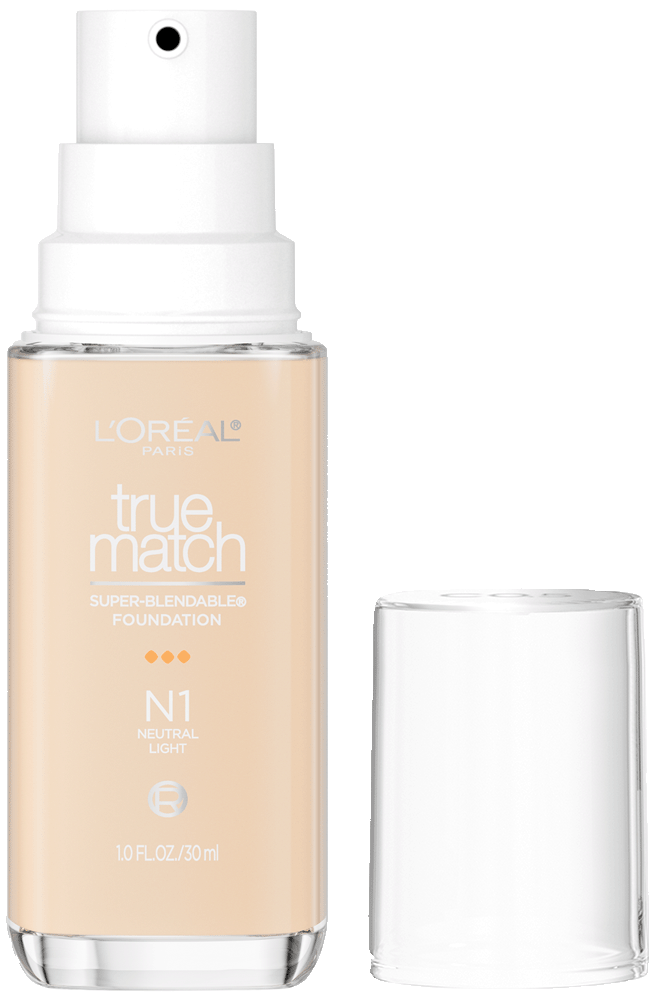
This liquid foundation provides medium-to-full, buildable coverage that feels lightweight on skin. It is long-wearing and resistant to heat, sweat, and transfer, which helps makeup last through busy days. The breathable texture makes it versatile and one of the best liquid foundations for acne-prone skin.
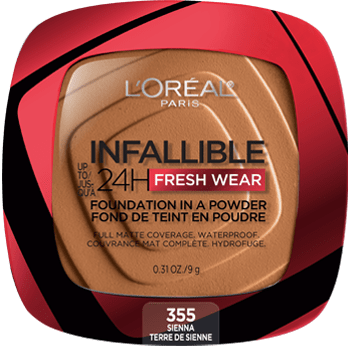
This ultra-lightweight matte powder delivers quick, even coverage without looking heavy. It helps blur imperfections and is designed to be heatproof, sweatproof, and transfer-resistant. The compact format makes touch-ups simple during long days.

This classic foundation for acne-prone skin is oil-free, fragrance-free, and designed to blend seamlessly. The medium coverage and natural finish help even tone while keeping skin looking like skin. The wide shade range supports precise matching.

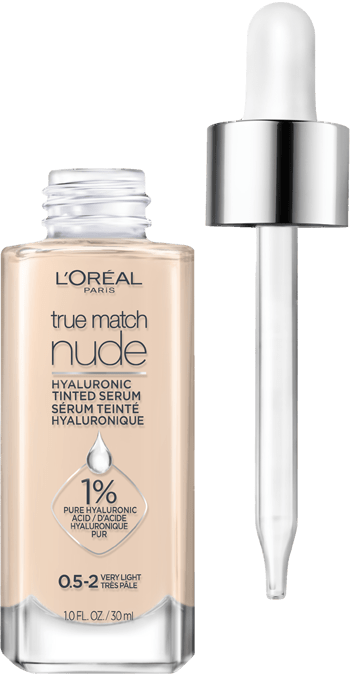
This skincare-makeup hybrid layers hyaluronic acid micro-pearls in a sheer-to-medium tint that evens tone without weight. The fluid texture sits smoothly over uneven areas and helps skin look hydrated. It is a comfortable choice when you want minimal makeup on days with fewer breakouts.

This weightless tint offers sheer, luminous coverage that softens the look of uneven tone. The flexible finish layers under or over targeted concealing for a skin-first approach. It is ideal for low-makeup days when comfort is the priority.

The right technique helps any foundation for acne-prone skin look smoother and last longer. Start with clean, well-moisturized skin, then build thin layers and set strategically. Keep tools clean to support skin health.
Begin with a gentle cleanse to remove oil and residue. If you wore sunscreen and makeup earlier, double cleanse at night and start fresh in the morning. Apply a lightweight moisturizer, such as L'Oréal Paris RevitaLift Micro Hyaluronic Acid + Ceramides Line-Plumping Water Cream. Then, choose a primer that matches your finish goals, such as a mattifying primer for oily areas or a smoothing primer for pores, such as the L’Oréal Paris Prime Lab Up To 24H Pore Minimizer.
Apply a thin layer of foundation using a damp sponge or a soft brush. Build coverage where needed and spot-conceal active lesions instead of adding heavy layers everywhere. Press rather than drag over texture to avoid lifting dry edges.
Set only where you need it to keep the skin looking natural. Use a small brush to place powder through the T-zone and around spots that tend to break down. For midday maintenance, blot oil before adding any additional product.
Foundation isn’t the only product in your makeup bag that might need an upgrade. Follow this step-by-step makeup routine for acne-prone skin.
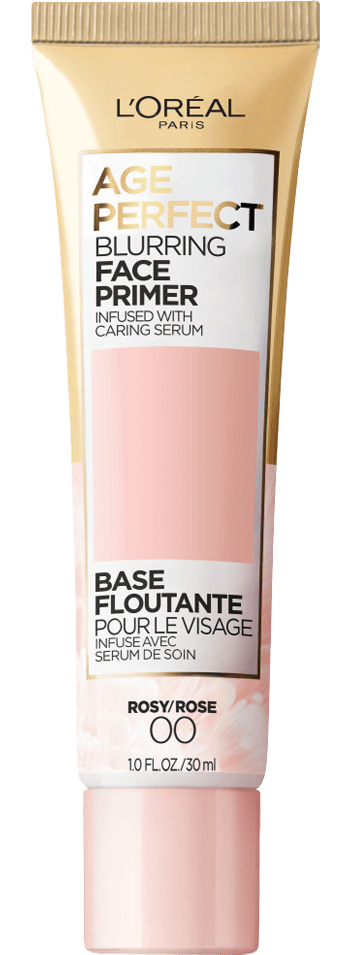
When you have acne-prone skin, one of the most useful makeup products is primer. Before applying foundation, smooth a mattifying or pore-blurring primer on your skin, such as the L'Oréal Paris Age Perfect Makeup Blurring Face Primer Infused with Serum. Primer can help smooth out your skin texture and blur the appearance of imperfections, such as blemishes.
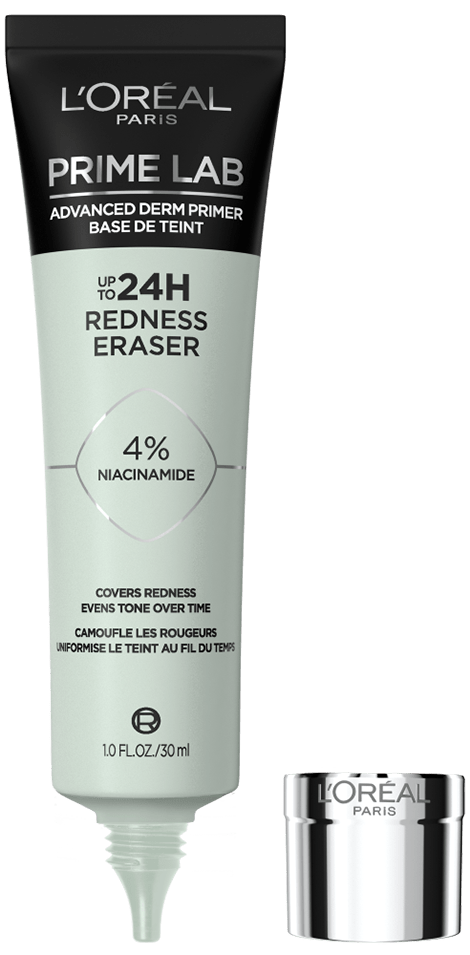
If you have spots or marks that appear red, reach for a green color corrector to help neutralize them. Try the L’Oréal Paris Prime Lab Up To 24H Redness Eraser, Use the point to draw over blemishes and blend well with a makeup brush or your fingers.
Now’s the time to pick up your base and apply it just like outlined above. Work in thin layers and spot-conceal to keep things lightweight. Build coverage as needed, layer by layer to avoid cakey results.
If blemishes are still peeking through after your foundation for acne-prone skin, finish your face makeup routine with concealer. Choose a full-coverage, long-wearing formula, such as the L’Oréal Paris Infallible Full Wear Concealer Waterproof, and tap it over areas of redness. Let it set before blending edges for maximum coverage with minimal product.
The last step is to lightly set your face with powder to help makeup stay in place. A translucent, finely milled formula, such as the L'Oréal Paris Infallible Blur-Fection Longwear Loose Setting Powder, won't alter foundation color and will reduce the chance of a cakey look. Focus on the T-zone and around the nose.


At the end of the day, remove makeup thoroughly to support clear skin. Double cleanse, treat breakouts with your usual routine, and let skin breathe before bed. Consistent removal helps any foundation for acne-prone skin look smoother the next day.
Look for labels like “non-comedogenic” and consider oil-free liquids or lightweight powders. Ingredients such as salicylic acid, niacinamide, or hyaluronic acid can help your skin feel hydrated and support overall appearance over time. The best option also balances buildable coverage with a finish that suits your oil level and texture.
Many dermatology-informed recommendations focus on non-comedogenic, oil-free bases with breathable textures, such as the L’Oréal Paris True Match Hyaluronic Tinted Serum. Choose a shade and finish that can be easily removed each night—without scrubbing—to support skin clarity and prevent irritation.
Foundation does not treat acne. Making smart choices and opting for ingredients like salicylic acid can help improve skin texture. Additionally, removing your foundation at the end of each day can help prevent further irritation. Remember to follow a consistent skincare plan to improve acne-prone skin over time.
Seek out non-comedogenic formulas with lightweight textures and avoid over-layering. Proper removal and clean tools are just as important for keeping pores clear.
Next Up: Blemishes Explained: How to Identify, Treat, and Prevent Skin Blemishes
Photo courtesy of L’Oréal Paris

This site is intended for US consumers. Cookies and related technology are used for advertising. To learn more, or opt-out, visit AdChoices and our privacy policy.
Your Privacy Choices
 Notice at Collection