What Sunburn Peeling Really Means for Your Skin (and How To Avoid It)
Here’s your not-so-subtle reminder to wear sunscreen.




From long, sun-soaked weekends to beach days with friends, there’s a lot to love about summer. But all that time outdoors comes with a downside—sunburn. While soaking up the sun can feel great in the moment, unprotected UV exposure can lead to skin damage, premature aging, and sunburn peeling, which can be especially uncomfortable.
If you skipped a sunscreen reapplication or lingered in the sun a bit too long and are now dealing with sunburn peeling, don’t worry. Ahead, we’ll break down why sunburns peel, how to help support the healing process, and what you can do to help prevent future burns so your skin stays healthy and comfortable.
According to the Skin Cancer Foundation, skin peeling after a sunburn is your body’s way of shedding skin cells damaged by excessive UV exposure. While it can happen to anyone, peeling after a sunburn is especially common among those with fair skin, as lighter complexions tend to be more sensitive to UV radiation. In most cases, the peeling begins a few days after the initial burn, and its severity can vary depending on how intense the sunburn was.
Although dealing with a peeling sunburn can be frustrating, this shedding process plays an essential role in your skin’s natural repair cycle. Think of it as your body’s way of clearing out damaged cells so fresh, healthy skin can take their place.


Having a peeling sunburn can seem like a sign that your skin is healing (and in some ways, it is). Post-sunburn skin peeling occurs as your body sheds damaged skin cells and makes way for new ones. While this process is a natural part of recovery, it doesn’t mean the damage has been undone.
When your skin burns, UV radiation can penetrate beneath the surface, causing cellular-level changes. Even after the visible peeling subsides, that underlying damage may still linger. Over time, repeated sunburn and peeling can contribute to premature skin aging, including fine lines, wrinkles, and dark spots, as well as a higher risk of more serious skin concerns, such as skin cancer.
In other words, while a peeling sunburn is part of your skin’s repair response, it’s not a “reset.” The best way to protect your skin’s long-term health is to focus on prevention. That means applying (and reapplying) broad-spectrum sunscreen daily, seeking shade during peak sun hours, and wearing protective clothing whenever possible. Taking these steps can help prevent future damage and keep your skin feeling its best.
If you’re here to learn how to stop peeling skin from a sunburn, we’ll be the first to tell you that you can’t—nor should you want to. Shedding that damaged skin is essential for new skin to take its place. With that being said, it’s important not to peel the loose skin yourself, as doing so can contribute to further skin damage. Instead, follow these tips to help support your skin’s recovery process.
A sunburn severe enough to cause visible peeling is often accompanied by discomfort. To help ease it, opt for cool showers instead of hot ones. Cool water can help soothe the burning sensation and provide temporary relief, while also helping your skin retain moisture. In contrast, hot water can strip away your skin’s natural oils, which may worsen dryness and irritation.
Editor’s note: Generally speaking, it’s best to hold off on exfoliation until after your skin heals. If you usually soap up with a sponge or loofah, swap it out for a soft washcloth or wash up with your hands.
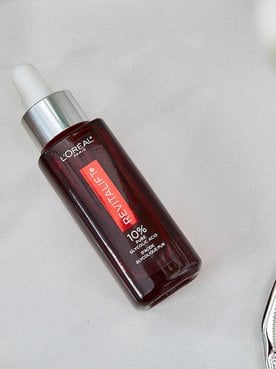
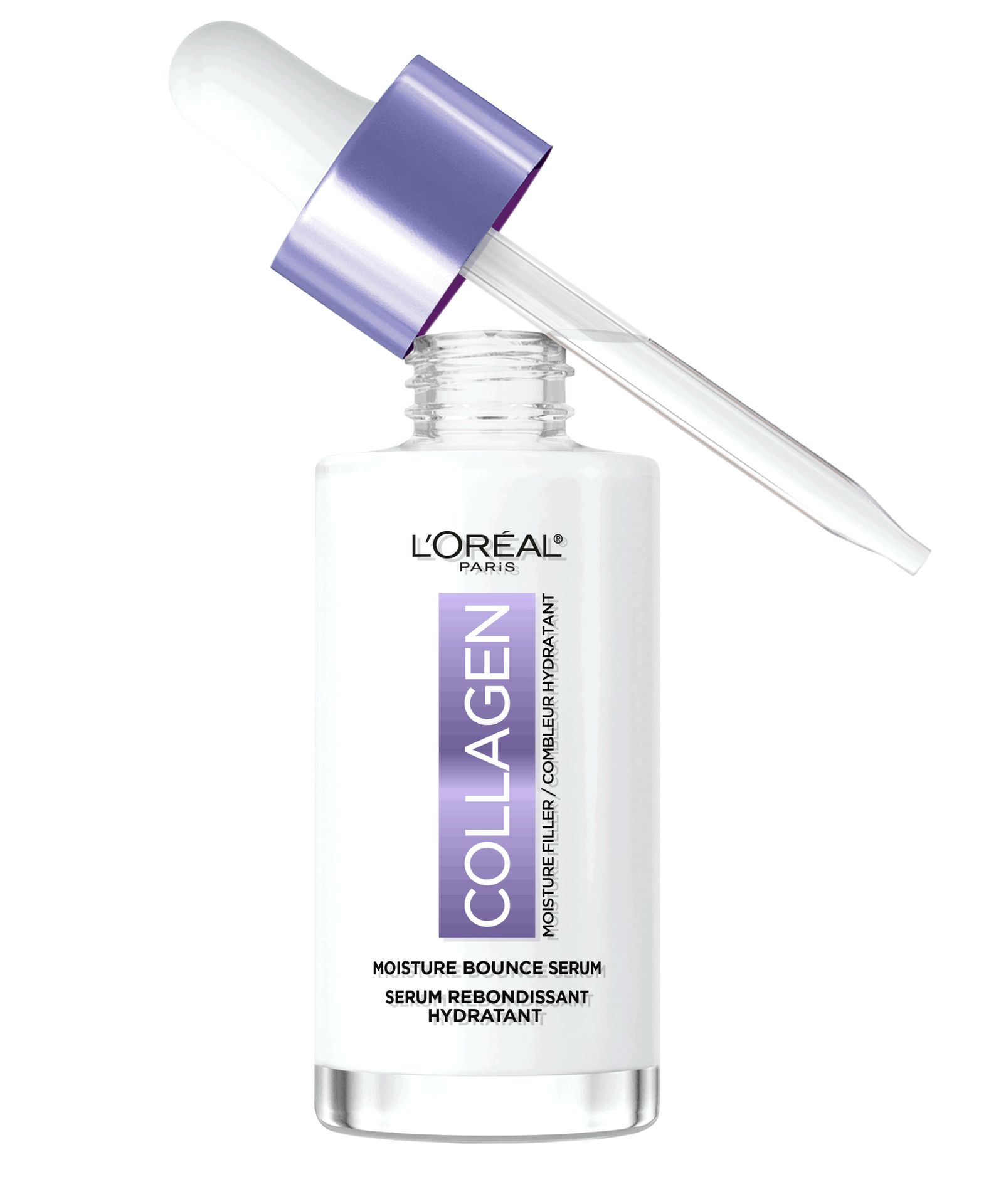
When dealing with shedding skin from a sunburn, it’s often a good idea to adjust your skincare routine. Hold off on any strong actives, like retinol or exfoliating acids, and prioritize gentle, hydrating products instead. If your sunburn is on your face, remove dirt and oil with a mild, non-stripping cleanser, then apply a gentle serum to help lock in hydration and support your skin barrier. If you need a recommendation, we love the L’Oréal Paris RevitaLift 1.5% Pure Hyaluronic Acid Serum (pictured below). The dermatologist-validated formula is non-comedogenic, fragrance-free, and delivers long-lasting hydration without a sticky or tacky feel. The L’Oréal Paris Collagen Moisture Filler Bounce Serum, made with collagen, squalane, and glycerin, is another excellent pick. It hydrates, smooths, and plumps the skin while leaving it with a subtle, healthy-looking glow.

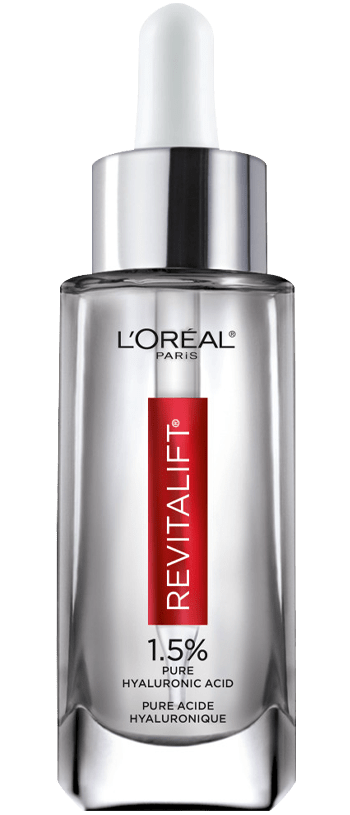
Aside from when you’re applying skincare, it’s best to keep your hands off the burn until it peels. Though peeling the shedding skin may be tempting, it can also leave your skin vulnerable to further damage and irritation. Keep your hands off and wear loose clothing to avoid subjecting your skin to unnecessary friction while it heals.
Adequate hydration is critical for your skin’s recovery process. To help support your skin after a bad burn, make sure to moisturize at least twice a day with a mild face lotion or cream.
In the morning, hydrate and protect your skin with an SPF moisturizer, such as the L’Oréal Paris RevitaLift Triple Power Anti-Aging Moisturizer with SPF 30 (pictured below). This powerful formula contains a trio of dermatologist-recommended ingredients—pro-retinol, hyaluronic acid, and vitamin C—and helps target the visible signs of aging while delivering up to 48 hours of non-greasy hydration.
In the evening, consider using a richer moisturizer or a night cream to help support your skin’s recovery. We recommend the L’Oréal Paris Age Perfect Skin Care Cell Renewal Midnight Cream, which is also available in a fragrance-free option. It contains a patented recovery complex and works while you sleep to help repair the skin’s natural moisture barrier.

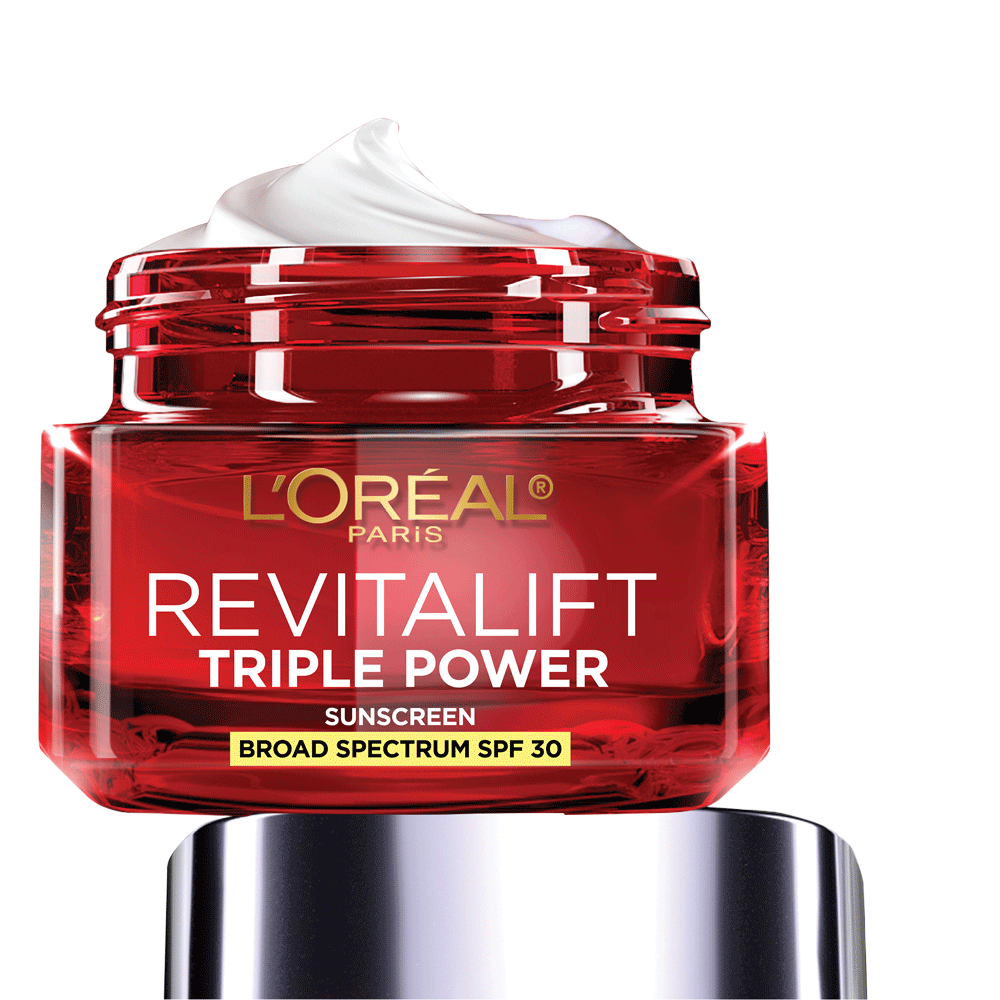

It should go without saying, but if you’re dealing with sunburnt, flaky skin, the last thing you want to do is risk further damage. Until your skin returns to baseline, make an effort to stay indoors and avoid direct sun exposure. If you must go outside, wear protective clothing (think: wide-brimmed hats and long-sleeved shirts) and stay in the shade as much as possible. Finally, remember that even if you’re using an SPF moisturizer, like the L'Oréal Paris RevitaLift Triple Power Anti-Aging Moisturizer with SPF 30, regular sunscreen application is essential. Look for a broad-spectrum formula with an SPF of at least 30 and reapply it every two hours— more often if you’re sweating—to help keep your skin protected from those damaging UV rays.
Next Up: How To Repair Your Skin Barrier: Your Complete Guide To Resilient, Healthy Skin
Photo courtesy of L’Oréal Paris

This site is intended for US consumers. Cookies and related technology are used for advertising. To learn more, or opt-out, visit AdChoices and our privacy policy.
Your Privacy Choices
 Notice at Collection