No one likes cakey makeup, midday shine, patchy T-zones, or a base that looks heavy. If you prefer a lighter, quick-to-apply base, you need to learn how to apply powder foundation. Powder evens tone, absorbs excess oil, and leaves a soft-focus finish that feels breathable. The right formula and technique ensure coverage that is both flexible and comfortable.
Powder foundation works across skin types—from dry to oily skin, and everything in between. This guide keeps the steps simple so your base looks even and never cakey, whether you’re building coverage or doing quick touch-ups. Keep reading to learn how to prep, the steps-by-step to apply and layer, and how to use foundation powder for shine control and seamless touch‑ups.
Benefits of Using Powder Foundation
Powder foundation offers several everyday advantages that make it easy to love. If you’re just learning how to apply powder foundation, it helps to understand why this format earns a place in your routine. Below are the key benefits and how they translate to your skin.
- Lightweight and breathable formula: Finely milled pigments sit lightly on the skin so your complexion looks even without a heavy feel, keeping it comfortable for all‑day wear.
- Great for quick touch-ups: Press or buff a small amount where shine peeks through; the dry texture layers cleanly over existing makeup and won’t disturb blush or bronzer.
- Reduces shine and oiliness: The powder absorbs excess sebum through the T‑zone, helping makeup last longer while maintaining a soft‑matte finish.
- Buildable coverage for a natural or full‑glam look: Start sheer and add thin layers only where you want them, so you can go from an easy everyday base to polished evening coverage.
Meet Our Favorite Powder Foundation
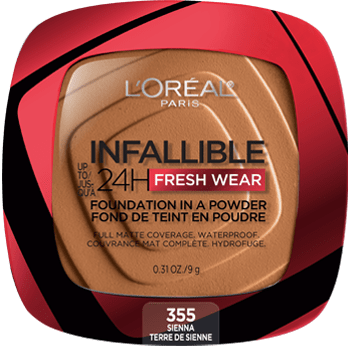
The L’Oréal Paris Infallible Up to 24H Fresh Wear Foundation in a Powder is a lightweight pressed powder that covers like a liquid and leaves a smooth, matte finish. Its weightless texture feels breathable yet delivers full coverage that stays fresh for up to 24 hours, with a soft blurring effect that helps soften the look of pores and texture. Choose from 20 shades, and wear it alone or layer over your liquid base to set and add a polished finish.
Here are some tips on how to apply this powder foundation to get the most out of it:
- Coverage and finish: Build from a sheer veil to medium coverage while maintaining a soft‑matte finish that still looks like skin.
- Application: This foundation includes a sponge applicator with a smooth surface for enhanced blendability. For full coverage, use the sponge wet; for medium, buildable coverage, use it dry.
- Shine control: Concentrate application through the T‑zone to reduce excess oil without flattening your skin’s natural dimension.
- Touch‑ups: The formula layers cleanly for quick midday refreshes; blot first, then tap on a thin veil to keep texture smooth.
- Pairing tips: Lightly set liquid foundation to extend wear and soften edges so everything blends seamlessly without heaviness.
Shop the Product
How to Prep Your Skin Before Applying Powder Foundation
Knowing how to prep your skin before applying makeup is just as important as knowing how to put on powder foundation correctly. Follow these basics for a seamless foundation:
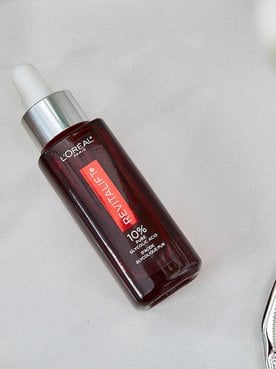
- Cleanse: Start with a gentle cleanse so powder grips evenly and does not cling to areas of excess oil or residue. Try the L’Oréal Paris RevitaLift Radiant Smoothing Cream Cleanser as your first step.
- Moisturize: Moisturized skin helps powder adhere for a longer-lasting, seamless look. Reach for a lightweight option that suits all skin types, like the L’Oréal Paris RevitaLift Micro Hyaluronic Acid + Ceramides Line-Plumping Water Cream. Give it a minute to absorb before makeup.
- Protect with SPF in the daytime: If you plan to be outdoors, smooth on the L’Oréal Paris RevitaLift Triple Power Moisturizer with SPF 30. Let the sunscreen set so the powder does not skip or streak.
Shop the Products
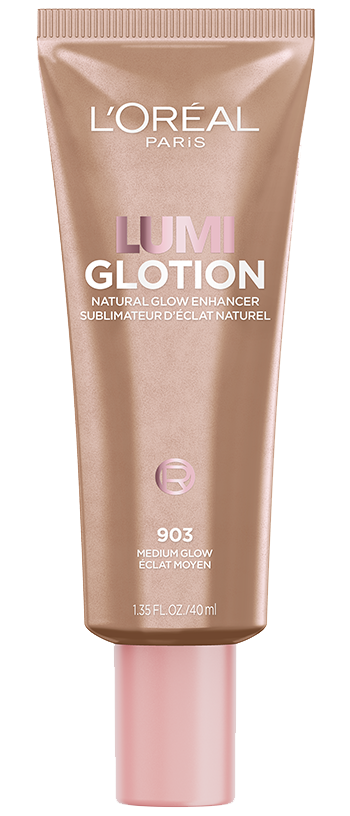
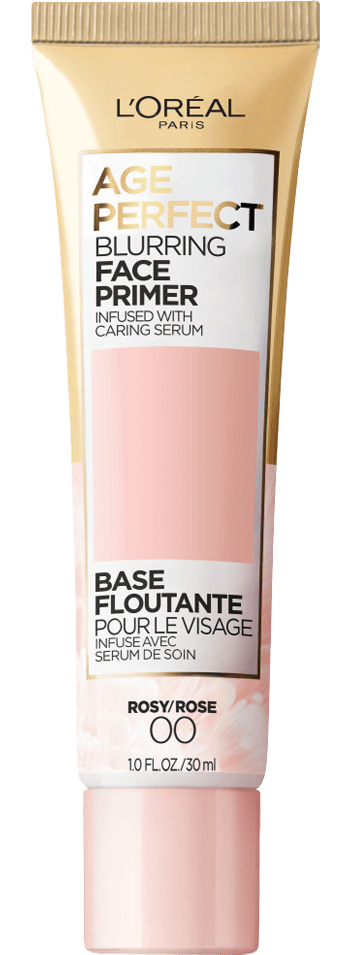
- Prime: For a hydrated glow, apply the L’Oréal Paris True Match Lumi Glotion Natural Glow Enhancer before foundation. If you have very oily skin, use a small amount of the L’Oréal Paris Age Perfect Makeup Blurring Face Primer Infused with Serum to mattify, specifically in the T-zone.
- Wait for skincare to absorb: Give each layer a short set time so powder sits smoothly and blends without patchiness.
Shop the Products
Step-by-Step Guide: How to Apply Powder Foundation Like a Pro
It’s time to delve into the details of how to use powder foundation for long-wear and zero cakeiness. Follow our step-by-step guide for a flawless makeup application:
- Load your brush correctly: Swirl or tap a soft, medium‑fluffy face brush into the powder, then tap off excess to avoid depositing too much at once. This supports even pickup and reduces fallout.
- Buff from the center outward: Apply in light, circular motions starting at the center of the face (nose, cheeks, forehead) and move outward. Keep the brush slightly angled to glide around the nose, chin, and hairline, and avoid placing powder too close to the eye area.
- Build in thin layers: Lay down a sheer first pass, then add more only where you want coverage. Use a light hand so the bristles do not bend against the skin; bending bristles signals too much pressure and can create a heavy, cakey look.
- Refine the edges: Sweep along the jawline, ears, and hairline with the remaining product on the brush for a seamless transition. If you see demarcation, buff with clean, gentle strokes rather than adding more product.
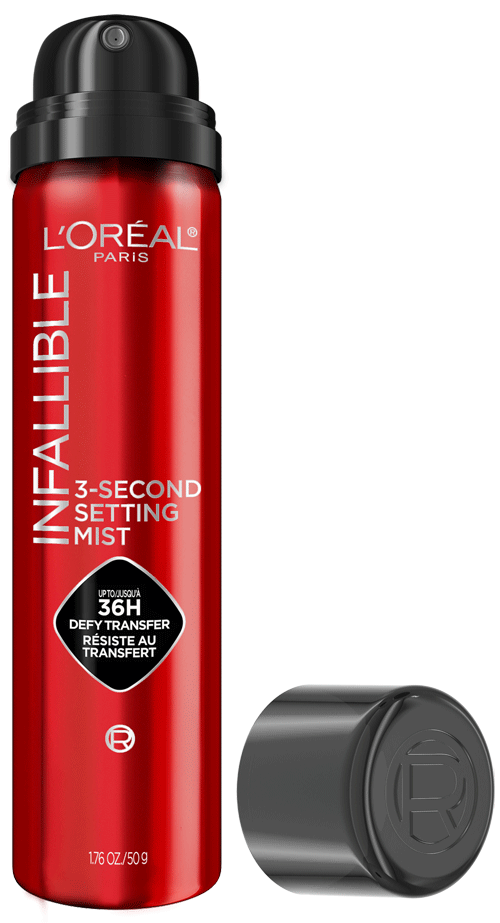
- Set and touch up smartly: If you want extra hold, mist the L'Oréal Paris Infallible 3-Second Setting Mist lightly or dust a translucent powder such as the L'Oréal Paris Infallible Blur-Fection Longwear Loose Setting Powder just through the T‑zone. For midday touch‑ups, blot oil first with a tissue or blotting paper, then press on a thin veil of powder. Avoid applying powder over oil, as it can oxidize and look uneven.
Shop the Products
FAQs
What is the best way to put on powder foundation?
The best method is to build in thin layers with a soft brush, starting at the center of the face and buffing outward. Light pressure helps blur texture while avoiding cakiness, and a final edge blend keeps the result seamless.
How to stop powder foundation from looking cakey?
Prep with moisturizer, allow each skincare step to absorb completely, and apply with a light hand. Blot oil before touch‑ups and add only a small amount of powder where needed.
What are the disadvantages of powder foundation?
Powder can accentuate very dry patches or pronounced flaking if the skin is not well-hydrated. It also offers less occlusive coverage of discoloration than many liquids, which is why strategic layering is helpful.
What is the best applicator for powder foundation?
A soft, medium-fluffy brush allows for controlled, even blending across contours, while a dry sponge works well for targeted touch-ups. Choose brushes that do not bend their bristles under pressure to maintain a smooth finish.
Next Up: How to Wear Light Coverage Foundation
Photo courtesy of L’Oréal Paris