How To Use Glycerin for Skin Without Overdoing It
Get the glow without the heavy finish




If your skin has been feeling a little parched or tight, a glycerin moisturizer can be a low-drama way to bring back that comfy, bouncy feel. Using glycerin for skin is a great way to give back to it. It’s a moisture-loving ingredient that shows up everywhere, from cleansers to a glycerin moisturizer to glow-boosting makeup.
Glycerin is popular for a reason: it helps your skin hold on to water, so everything feels softer and looks smoother. The sweet spot is using enough to get the hydrating payoff without overdoing it and ending up with that tacky, too-much-product finish.
What we mean by “overdoing it” comes down to three habits: using pure glycerin straight on skin, mixing a DIY blend that is too strong, or stacking multiple glycerin-heavy layers without sealing them in. Keep reading to learn how to use glycerin safely, dilute it properly, and get the benefits of glycerin for skin without the sticky aftermath.
Glycerin is a humectant, which means it attracts water. If you are looking up what does glycerin do for skin, the simplest answer is that it helps pull moisture toward the skin’s surface so it feels more comfortable.
That water-loving behavior is exactly why you will spot glycerin in so many products. It is lightweight, generally easy to tolerate, and layers well, which makes it a go-to ingredient, especially in glycerin in skin care staples like moisturizers and complexion products.
You may also notice glycerin labeled as natural or synthetic. They are the same molecule, just sourced differently. Natural glycerin is often derived from plant oils, while synthetic glycerin is produced to the same purity standards used in cosmetics.
If you're wondering whether glycerin suits your complexion, here's your answer: It most likely does. Most skin types can benefit, but it is especially helpful when skin feels dry, rough, or dehydrated. If you are exploring glycerin skincare because your routine feels a little too harsh, a humectant-forward approach can be a gentle reset.
For those wondering if glycerin is good for your skin, one of the biggest glycerin uses for skin is hydration that feels soft and cushiony rather than heavy. Applied on slightly damp skin, glycerin can help your routine feel more effective without adding greasiness.
It can also help keep your skin barrier healthy and soft. When skin holds onto moisture better, it looks less dull and feels less rough over time.
Glycerin and skin work great together for dry, dehydrated, combination, and oily types. The difference is in the texture you choose and how you layer, since finish matters just as much as hydration.
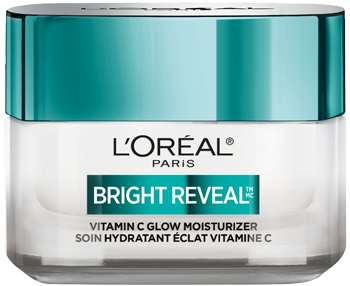
If you want a daily moisturizer with glycerin, tryL'Oréal Paris Bright Reveal Vitamin C Glow Moisturizer, 72H Hydration for lightweight moisture and a comfortable glow. For a fresh, water-cream texture, smooth onL'Oréal Paris RevitaLift Derm Intensives Micro Hyaluronic Acid + Ceramides Line-Plumping Water Cream to support hydration while keeping the finish non-greasy.




More is not always better with glycerin. In glycerin skincare, using too much can feel sticky, make layers pill, or leave a film that is not your favorite. Overuse can also show up as mild irritation, especially if you are applying it undiluted or rubbing it into already sensitive areas. If you notice stinging, redness, or lingering tightness, dial it back and keep the rest of your routine simple.
Your environment plays a role, too. In very dry air, humectants can feel less comfortable if you are not pairing them with a moisturizer.
Start with the simplest option: use glycerin through a finished product instead of applying it straight. Formulas are designed to feel good on skin, so you get the glycerin for skin benefits with less guesswork.
If you are trying DIY, keep it gentle and well-diluted. Start with about 1 part glycerin to 5–10 parts water or hydrating toner, apply a very thin layer, and adjust only if your skin stays comfortable and the finish stays non-sticky.
Next, think about timing. Apply it right after cleansing, while the skin is still slightly damp, then follow with a moisturizer to help retain hydration, especially at night.
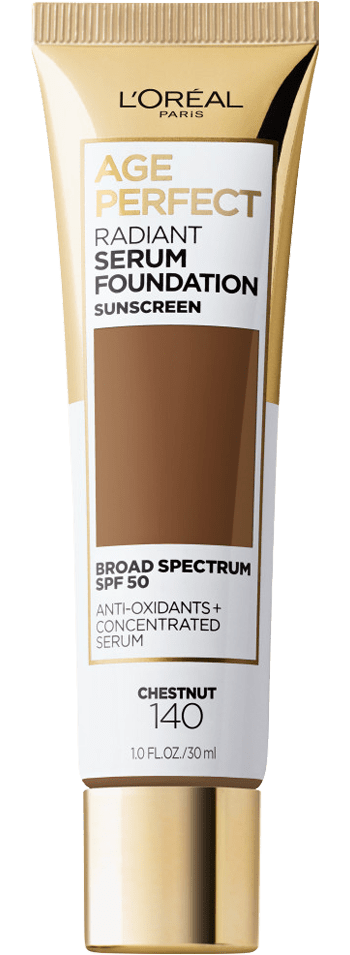
If you would rather get glycerin through makeup instead of adding another skincare step, look for it in your base products. A great example is the L'Oréal Paris Age Perfect Makeup Radiant Serum Foundation with SPF 50, which is a radiant, serum-style base for a smooth, comfortable look with glycerin in the mix. Apply it in thin layers over moisturized skin for the most natural finish, and remember that you still may need a dedicated sunscreen for full daytime protection. Keep layers thin and even so the finish stays fresh and comfortable.
Finally, keep an eye on layering. If your serum, moisturizer, and base makeup all include glycerin, trimming one step can keep everything feeling light and help reduce pilling.

Dry or dehydrated skin tends to love glycerin when it is used on damp skin and followed with moisturizer. This is a simple way to use glycerin for the face without leaning into stickiness, and it can help flaky areas feel smoother.
Oily and acne-prone skin can absolutely use glycerin for skin, too. Keep application light and avoid stacking too many hydrating layers, since too much product can feel slick even when the ingredients are non-greasy.
Sensitive or compromised skin does best with a gentle, minimal routine. Patch test your glycerin-based skin care products, keep layers thin, and discontinue use if you feel burning or see persistent redness.
A simple way to work glycerin in skin care into your routine is mixing it with water, which can help cut down on tackiness. Some people also like to mix glycerin for skin into rose water or a hydrating toner, but choosing products that are already preserved and made for skin is the safest move.
Glycerin layers well with hydrating and barrier-friendly ingredients, including hyaluronic acid and ceramides. To make that hydration feel even more comfortable, pair glycerin with emollients, like squalane and shea butter, which help smooth and soften the skin’s surface. Think of it as a one-two combo: glycerin pulls in moisture, while emollients help your skin feel silky and less tight.
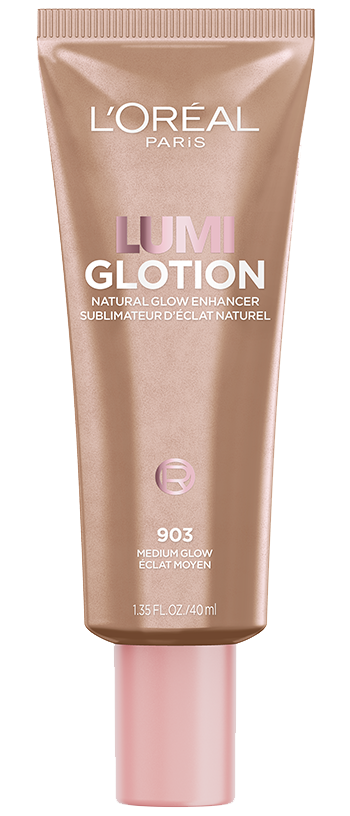
A product to try with both glycerin and shea butter is the L'Oréal Paris True Match Lumi Glotion Natural Glow Enhancer. This is a lightweight glow booster you can wear alone, mix into foundation, or tap onto high points for a fresh, lit-from-within finish.
Be careful with DIY mixing glycerin when strong actives are involved. Combining multiple exfoliating acids or high-strength treatments in one step can increase irritation risk.

If you are going the DIY route, keep it simple. A practical starting ratio is 1 part glycerin to 5–10 parts water, applied in a thin layer and followed with moisturizer, which supports comfortable glycerin skincare results.
Make small batches and store them thoughtfully. If your mixture is water-based and has no preservatives, treat it as short-term and toss it if anything smells off or changes in color or texture.
The most common DIY mistakes are using pure glycerin, making the mix too strong, or piling on too many extras. If you want consistency, a finished glycerin moisturizer is usually the easiest way to get dependable texture and results.
Daily use of glycerin on skin can work when it is part of a well-formulated product, and your skin stays comfortable. If you are testing a diluted DIY mix, start a few times a week and increase only if you like how your skin feels.
Let the finish guide you. If your skin feels sticky, looks overly shiny, or gets tight later in the day, cut back on frequency or switch to a thinner layer. Season matters, too. Winter and dry indoor heat often call for pairing glycerin with a richer moisturizer, while humid months may feel better with fewer layers and a lighter finish.
Most “bad results” come down to a few small missteps. The tips below cover the most common slipups that can make glycerin feel sticky or uncomfortable, so you can tweak your routine and keep every layer working together.
Next Up: How To Find The Best Face Serum for Your Skin Goals
Photo courtesy of L’Oréal Paris

This site is intended for US consumers. Cookies and related technology are used for advertising. To learn more, or opt-out, visit AdChoices and our privacy policy.
Your Privacy Choices
 Notice at Collection