How To Choose the Right Shampoo for Oily Hair
Make greasy roots and oily strands a thing of the past.




Oil is a normal part of a healthy scalp, but too much of it can makehair look limp, flat, or heavy. Finding the right shampoo for oily hair starts with understanding what your scalp needs and what your lengths can tolerate. A great shampoo for oily hair removes excess oil and buildup at the roots without leaving the rest of your hair feeling stripped. The goal is a clean, comfortable scalp and hair that still feels soft and flexible.
If your roots look slick quickly, keep reading. Ahead, you'll learn how to choose a shampoofor oily, greasy hair to address your concerns and help you keep things balanced between wash days.




There is an old beauty myth that washing your hair less often can “train” your scalp to produce less oil, sometimes called oil training. However, this is not true, and the American Academy of Dermatology (AAD) notes that oily scalps may need more frequent washing, not less. The most useful schedule is the one that keeps your scalp feeling clean while your lengths stay comfortable.
How often you wash should be tied to how much oil your scalp produces, plus your lifestyle and hair type. If your scalp gets greasy fast, especially if you sweat often, work out daily, wear hats, or use a lot of styling products, daily washing can make sense. If your scalp is only mildly oily, every other day, or a few times per week, may be enough.
The goal is balance, since over-washing with harsh cleansers can leave lengths feeling dry, while under-cleansing can lead to buildup that makes hair look limp and greasy faster. A good oily hair shampoo can be a simple reset.
A shampoo for oily hair should focus on cleansing the scalp efficiently while keeping hair lengths from feeling rough. Labels like “clarifying,” “purifying,” and “balancing” can be helpful shortcuts, but they do not all mean the same thing. The best match depends on whether you are dealing with everyday oiliness, heavy product buildup, or a mix of oily roots and drier ends.
In general, “purifying” or “balancing” formulas are designed for regular use and are often a smart starting point. “Clarifying” formulas are usually stronger cleansers meant to remove heavier buildup from styling products, sweat, and hard-to-rinse residue. For many people, alternating a gentle daily cleanser with an occasional clarifying shampoo for oily hair is a comfortable approach without overdoing it. If your hair is fine or thin, look for a lighter shampoo for fine, oily hair to avoid flat roots.
It also helps to consider what to skip. Very rich, heavy formulas, including ones packed with heavier oils and buttery conditioners, can weigh roots down and make hair look oily sooner.
A balancing shampoo is typically meant for frequent use and works best when oiliness is part of your everyday routine. It helps remove excess oil at the scalp and leaves hair feeling clean without that squeaky, overly stripped finish. If you're wondering what shampoo you should use on greasy hair, a balancing formula is often the most comfortable place to start.
A clarifying shampoo is a deeper cleanse that targets buildup, not just oil. It can be helpful when your roots feel coated, your hair looks oily right after washing, or styling products seem to sit on top of your hair. For anyone wondering if clarifying shampoo is good for oily hair, the answer is that it can be, especially as an occasional reset, but moderation matters.
Instead of locking into a rigid schedule, use your scalp as the guide. If your hair starts to feel heavy or your usual shampoo is not cutting through oil, a clarifier can help you get back to a clean baseline. Follow with a lightweight conditioner on the ends to keep the lengths feeling soft.
Hair type still matters, even when the scalp concern is the same. Fine or thin haircan look oily more quickly because oil has less space to disperse, which is why many people search for a shampoo specifically for oily thin hair. Choosing lighter formulas and avoiding heavy leave-ins at the roots can help hair look fresher longer.
Curly or coily hair can have oily roots while the lengths still feel dry. This happens because oil stays concentrated at the scalp and does not travel down the hair shaft, especially with textured hair, longer hair, or hair that is more porous from coloring, heat styling, or everyday wear. A helpful approach is to focus shampoo for oily hair on the scalp, then use conditioner and styling products on the mid-lengths and ends, keeping them away from the root area.
No matter your texture, keep the target clear. Clean the scalp where oil is produced and protect the mid-lengths and ends where dryness shows up first. That strategy works whether you are building a routine around shampoo for oily hair or pairing a shampoo with a serum to help manage the look of oil at the root.
The key tohandling oily strands like a pro is to keep your shower stocked with the right essentials. The wrong cleanser can leave hair looking even oilier after washing, so it helps to reach for a formula designed for your hair type and concern. The options below cover everyday cleansing, occasional buildup resets, and lightweight care for roots that get greasy quickly.
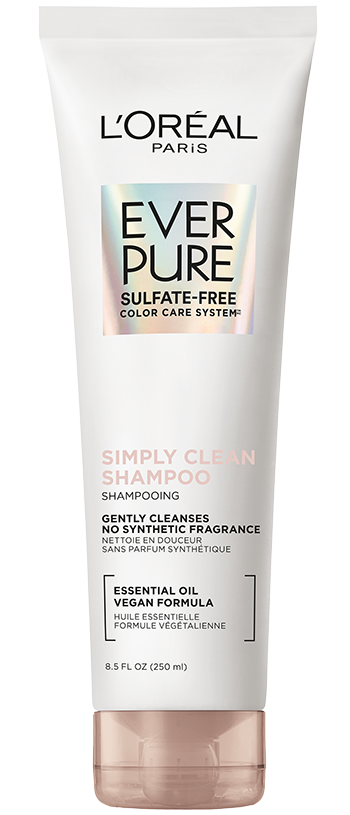
If you want a shampoo for oily hair that feels gentle but still leaves roots fresh, this is a great everyday pick. It’s a gently cleansing shampoo that’s suitable for color-treated hair and is made with rosemary essential oil for a clean, herbaceous scent. It helps keep hair feeling clean at the roots while still feeling nourished through the lengths.

This clarifying shampoo for oily hair is designed to help remove product residue and harsh salts without stripping color. It’s formulated with antioxidants, vitamin C, and glycine to help support a fresh, clean feel and protect hair from feeling dull after buildup. This formula is a strong “reset” option when hair starts to feel coated or heavy. Pair it with the L’Oréal Paris EverPure Sulfate-Free Restoring Conditioner to keep your hair feeling soft and hydrated.

This purifying shampoo is inspired by skincare and is made withsalicylic and hyaluronic acids to help cleanse the scalp while keeping lengths feeling comfortable. The dual-action formula is designed to remove all residue, leaving the scalp feeling refreshed and reinvigorated for up to 72 hours. It also has a fresh fragrance with notes of bright berries, cherry blossom, sweet vanilla, and sandalwood that you'll love.

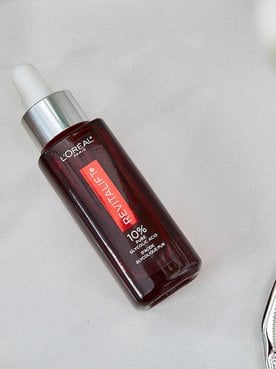
This is a pre-shampoo scalp treatment for when roots look greasy quickly. The oil-erasing formula is powered by an exfoliating complex and is designed to remove 100% of residue, leaving the scalp feeling purified and refreshed. To use, section dry hair and apply 1–2 doses directly to the scalp, massage for five minutes, leave on for 15 minutes, rinse, then shampoo and condition.

Hair can look greasy quickly for a few reasons, and oil production is only one part of the picture. Sebum builds up faster when hair is weighed down by rich products, heavy styling layers, or residue that does not rinse cleanly. In many cases, switching to a shampoo for oily hair and adding an occasional clarifier can help hair look fresher longer.
Washing technique also matters. If shampoo is not worked through the scalp well, oil and buildup can stay behind and show up quickly the next day. Product placement counts too, since conditioner and masks at the roots can make hair look oily sooner, even when your scalp is not producing extra oil.
To stop your hair from getting so oily, start with a scalp-first wash that targets the roots. Massage shampoo into the scalp for a full cleanse, then rinse thoroughly so product does not linger behind. If you are using a lot of styling products, rotating in a clarifying shampoo for oily hair can help prevent buildup from mimicking oil.
Conditioner still has a place in a routine, but placement is key. Apply a lightweight conditioner from mid-lengths to ends, then rinse thoroughly, which supports a smart shampoo-and-conditioner routine for oily hair. When hair is fine, using less product and keeping it away from the roots helps avoid flat, heavy strands.
Conditioner can make hair look smoother and feel softer, even if your roots get oily. The trick is to focus conditioner on the lengths and ends where hair tends to feel drier and more fragile.
If you notice your hair looks greasy right after showering, try using less conditioner and rinsing a bit longer. A lightweight formula and careful placement often make more difference than skipping conditioner entirely. That balance helps you keep your scalp fresh and your lengths comfortable.
Dry shampoo can be useful between washes, but it can also contribute to buildup if used day after day without cleansing. When dry shampoo residue builds up, roots can start to feel heavy, itchy, or look dull, even if oil is being absorbed at first. A routine that includes thorough cleansing with a shampoo for oily hair and occasional clarifying helps keep dry shampoo from turning into stubborn buildup.
Next Up: How To Use Hair Oil Without Making Your Hair Greasy
Photo courtesy of L’Oréal Paris

This site is intended for US consumers. Cookies and related technology are used for advertising. To learn more, or opt-out, visit AdChoices and our privacy policy.
Your Privacy Choices
 Notice at Collection