How to Care for High-Porosity Hair
Thirsty tresses? Try these tips.


Overview
High-porosity hair absorbs moisture quickly but loses it just as easily, which can leave strands dry, frizzy, rough, or fragile. Your natural hair type can influence how porous your hair is, but heat styling, chemical processing, and other types of damage can play a role, too. Using hydrating products and sealing in moisture with an occlusive leave-in can help keep high-porosity hair hydrated and reduce moisture loss.
When it comes to building a haircare routine, your hair type is only part of the equation. Equally important is your hair porosity, which describes how readily your strands absorb and retain moisture.
If you have high-porosity hair, meaning porous hair, your strands absorb moisture easily but lose it just as quickly. As a result, high-porosity hair is often prone to dryness, dullness, and frizz. Hydrating products alone may not be enough to keep your strands balanced; you’ll also want products that help seal in moisture. Ahead, we’ll explain what high-porosity hair is, why porosity matters, and how to build a routine that helps keep your hair hydrated, soft, and healthy-looking.
High-porosity hair is like a sponge: It absorbs moisture readily but can lose it just as quickly. This can happen when the hair’s outermost layer, the cuticle, becomes damaged or disrupted. As a quick overview, the cuticle is made of overlapping cells that resemble tiny shingles. When hair is healthy, these shingles generally lie flat; however, several factors—including chemical processing, heat styling, and environmental wear and tear—can cause them to lift, allowing moisture to move more freely both into and out of the strands.
Genetics, as well as your natural hair texture, can also influence hair porosity. Those with curly or coily hair, for example, are more likely to have high-porosity hair than those with straight strands. There’s no such thing as “bad” hair porosity, but understanding yours can help you choose products that better support your strands.
The most common sign of high-porosity hair is dryness, but that’s far from the only sign. Other indications that your hair may be more porous include:
If you’re just learning about hair porosity, you may be wondering how to figure out where your strands fall. The good news is, you don’t need a salon appointment to get a general idea. There are a few simple ways to test your hair’s porosity at home
The water float test is an easy way to get a general idea of your hair’s porosity. To try it, you’ll need just two things: a strand of clean, dry hair and a glass of room-temperature water. Drop the strand into the water and watch it for about two to four minutes.
If the strand sinks to the bottom quickly, it may indicate high porosity, meaning the hair readily absorbs water. If it stays floating on the surface, it may indicate low porosity. A strand that remains suspended somewhere in the middle may indicate medium porosity. Keep in mind that the water float test is only a general indicator of porosity—leave-in products or buildup on the hair can affect your results.
The spray bottle test is another simple way to get a general idea of your hair’s porosity. Start with a small section of dry hair and lightly mist it with water from a spray bottle.
High-porosity hair tends to absorb water quickly, while water sprayed onto low-porosity hair may bead up on the surface rather than sink in. Water that absorbs gradually, without immediately soaking in or beading up, may indicate medium porosity. This test can be especially useful for those with textured hair, since natural hair can have different curl patterns—and porosity levels—across a single head of hair.
Hair porosity describes how readily your strands absorb and retain moisture, largely based on the condition of the cuticle. In high-porosity hair, the overlapping scales that make up the cuticle are more raised or damaged, allowing moisture to enter and escape easily. Low-porosity hair has scales that lie more tightly together, making it harder for moisture to penetrate, while medium-porosity hair falls somewhere in between.
| Porosity Type | Cuticle Scales | Water Absorption and Loss | Primary Hair Need |
| High Porosity | Raised, widely spaced, or damaged | Absorbs water readily and loses moisture quickly | Deep hydration paired with products that seal in moisture |
| Medium Porosity | Relatively smooth and slightly flexible | Absorbs and retains moisture with relative ease | Balanced cleansing, conditioning, and moisture |
| Low Porosity | Tightly packed and overlapping | Resists water absorption and may be prone to product build-up | Lightweight hydration and occasional clarifying |
Whether your high-porosity hair looks dry and dull, feels rough or brittle, or shows signs of damage from color treatments and heat styling, the right haircare routine can help restore its soft, smooth, healthy-looking appearance. Below, discover some of our favorite high-porosity hair products to shop right now.
Glossing treatments can help restore shine and smoothness to dull, dry hair. While professional hair glossing treatments are done at the salon, you can achieve similar results at home for a fraction of the price with the L’Oréal Paris EverPure Sulfate-Free Glossing system. Featuring the L’Oréal Paris EverPure Sulfate-Free Glossing Shampoo, L’Oréal Paris EverPure Sulfate-Free Glossing Conditioner, and L’Oréal Paris EverPure Sulfate-Free Glossing 5-Min Lamination Hair Mask, this glycolic acid-powered trio smooths, softens, and delivers up to five days of intense, glass-like shine. The in-shower mask also helps to seal the hair fiber, leaving your strands silky and smooth.


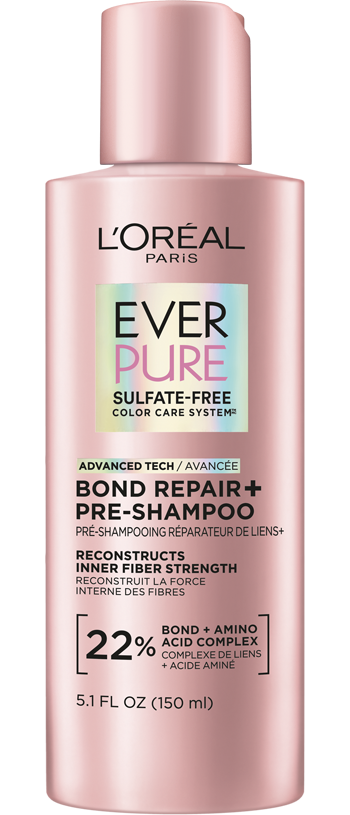
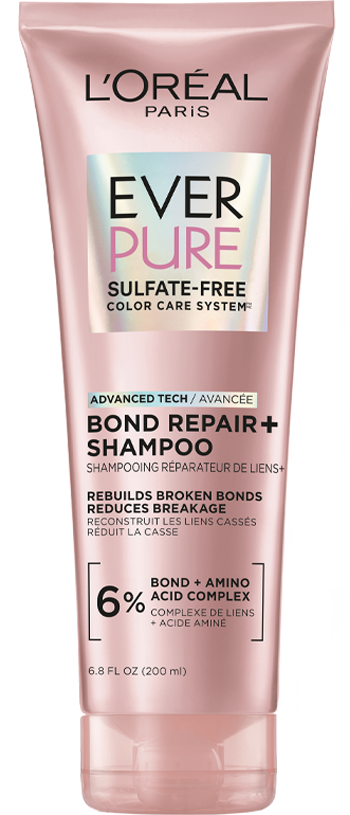
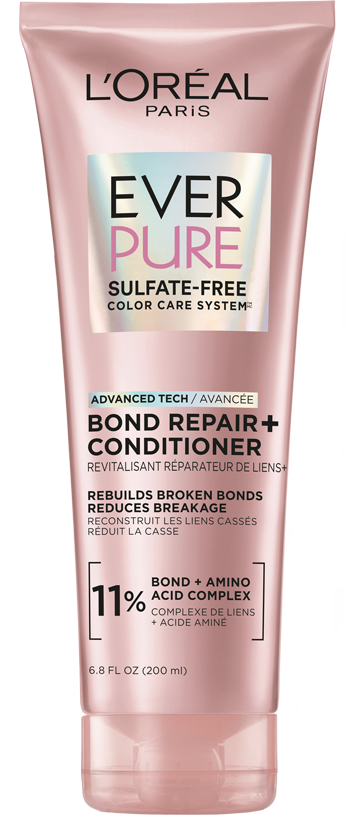
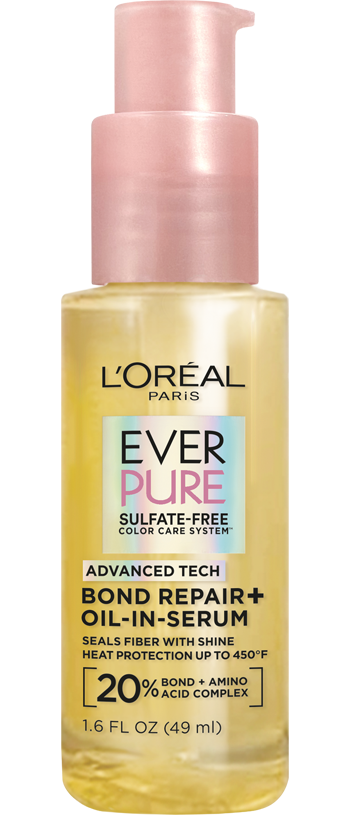
If you’re noticing increased dryness after heat styling or chemical treatments, damage is likely the cause. To strengthen your hair—and protect against future damage—we recommend reaching for the L’Oréal Paris EverPure Sulfate-Free Bond Repair+ System. Each of the four products in the lineup contains a Bond + Amino Acid complex designed to reinforce weakened hair bonds and strengthen hair from the inside out.* Start with the L’Oréal Paris EverPure Sulfate-Free Bond Repair+ Pre-Shampoo Treatment before cleansing and conditioning with the L’Oréal Paris EverPure Sulfate-Free Bond Repair+ Shampoo and L’Oréal Paris EverPure Sulfate-Free Bond Repair+ Conditioner. For added shine, work the L’Oréal Paris EverPure Sulfate-Free Bond Repair+ Oil-in-Serum throughout your strands post-shower to boost shine, enhance softness, and protect against heat damage.
*vs. untreated hair after 6 applications

You can’t permanently smooth the lifted scales on a damaged hair cuticle, but the L’Oréal Paris Elvive Glycolic + Gloss system can smooth your strands. The three-part system, powered by glycolic acid, laminates the hair cuticle, leaving your hair up to 14 times smoother in a single use. To reap the benefits of the system, lather up with the gentle L’Oréal Paris Elvive Glycolic + Gloss Shine-Boosting Shampoo, then replenish moisture with the coordinating L’Oréal Paris Elvive Glycolic + Gloss Shine-Boosting Conditioner. Finish your routine with the L’Oréal Paris Elvive Glycolic + Gloss High-Shine Leave-In Serum, which adds mirror-like shine without any heavy or greasy residue.

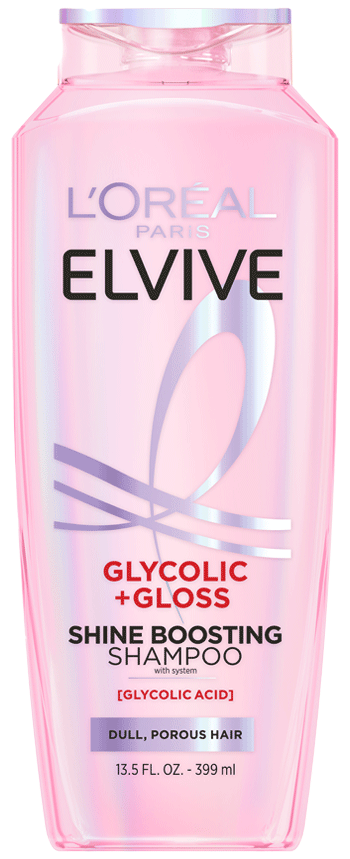
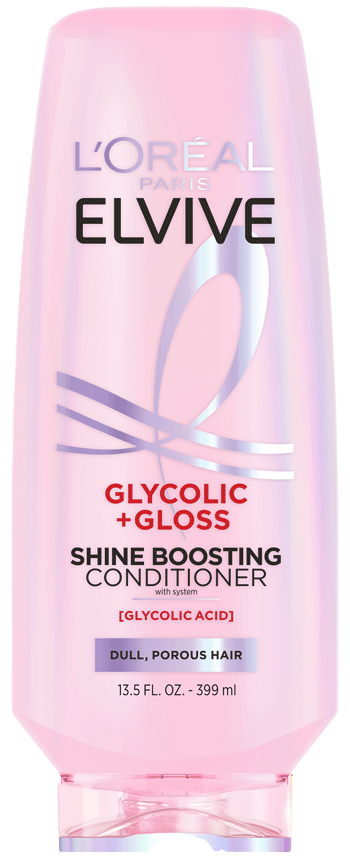
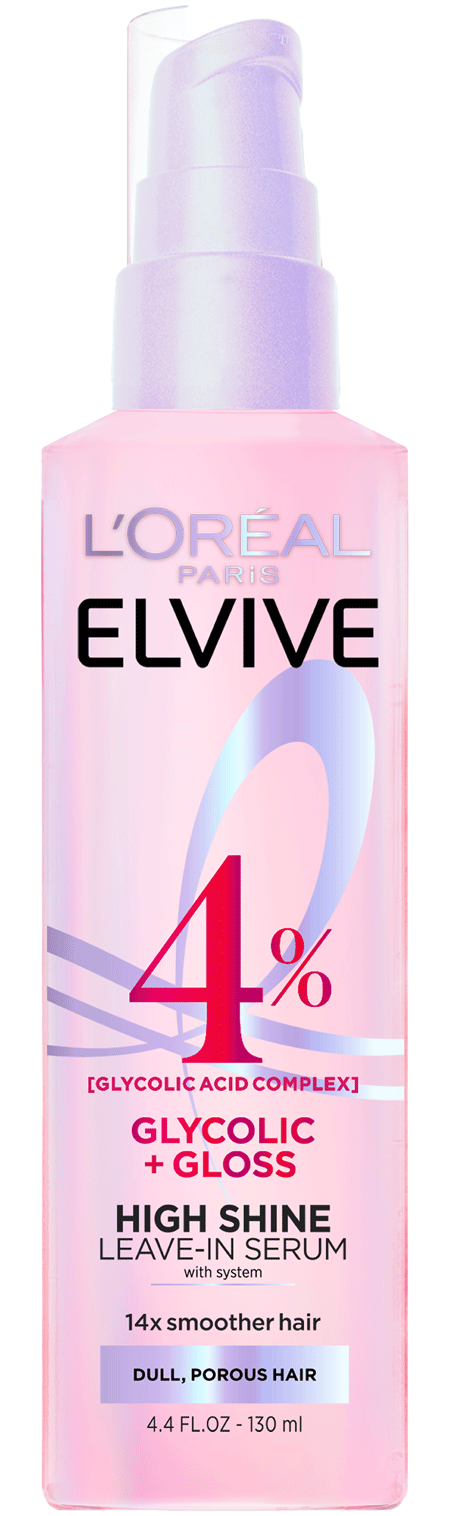
Even if you don’t naturally have high-porosity hair, repeated coloring can leave your hair drier and more porous. To help care for color-treated strands, consider adding a targeted deep conditioning mask into your weekly routine. These formulas are designed specifically for color-treated hair and can help address common concerns, including dryness, dullness, and brittleness.
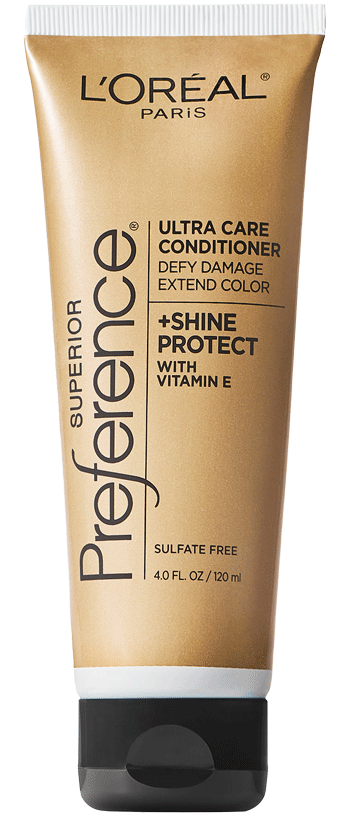
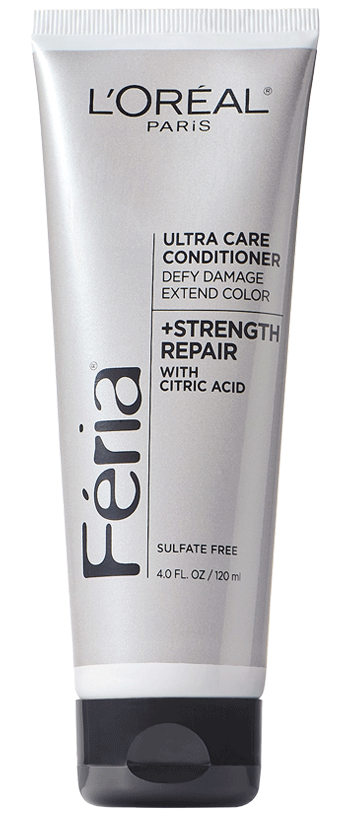
For deep hydration, try the L’Oréal Paris Excellence Moisture Lock Ultra Care Conditioner. It’s formulated with hyaluronic acid and helps lock in hydration for smooth, soft, healthy-looking hair. If dullness is your most pressing concern, the L’Oréal Paris Superior Preference Shine Protect Ultra Care Conditioner, formulated with Vitamin E and a protective UV filter, is an excellent choice. And for fragile strands, we recommend the L’Oréal Paris Feria Strength Repair Ultra Care Conditioner (pictured below). Its citric acid-powered formula helps strengthen and reinforce brittle hair while deeply hydrating the hair fiber for silky, smooth strands and long-lasting color vibrancy.

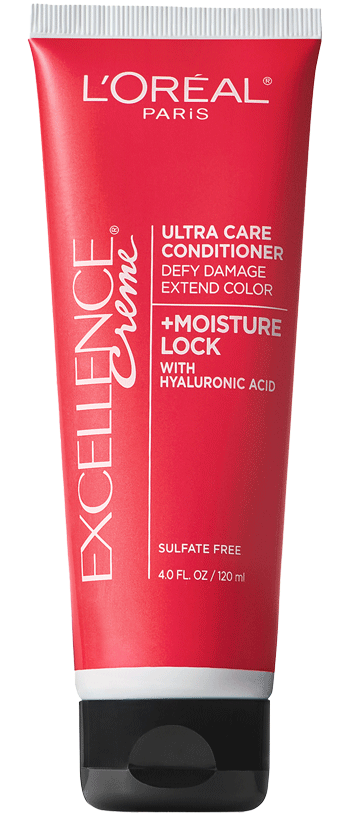
The exact steps and frequency of your high-porosity hair routine will vary depending on the haircare system and products you use, so always follow the instructions on each product. In general, though, a high-porosity hair routine should focus on cleansing without stripping, replenishing moisture, and sealing it in. Here’s what that can look like:
Next Up: Low-Porosity vs. High-Porosity Hair: How To Tell The Difference
Photo courtesy of L’Oréal Paris

This site is intended for US consumers. Cookies and related technology are used for advertising. To learn more, or opt-out, visit AdChoices and our privacy policy.
Your Privacy Choices
 Notice at Collection