






.png)
Foundation Makeup FAQs
What Is Foundation Makeup?
Foundation makeup is a cosmetic product applied to the face to create an even, uniform color to the complexion, cover blemishes, and create a base for other makeup products. Some foundations also function as a moisturizer or sunscreen. Foundation can come in liquid, serum, and powder formulas. To learn more about foundation, check out our guide to “What Is Foundation”.
What Should You Look for in a Foundation?
Choosing the best foundation makeup for you can seem daunting, but considering a few key factors can simplify the process:
•Skin Type: First, determine your skin type. Is it oily, dry, combination, or sensitive? This will help you choose a foundation formulation that works best for you.
•Coverage: Next, consider the foundation coverage you desire. Do you prefer a full coverage foundation to mask blemishes and imperfections, or a lighter coverage for a more natural look? Foundations offer a range of coverage from sheer to full.
•Foundation Finish: The finish of a foundation is also important. A matte foundation is ideal for oily skin, while a dewy finish is great for dry skin. There are also satin and semi-matte finishes that fall in between.
•Ingredients: Finally, be mindful of the ingredients. If you have sensitive skin, look for foundations that are fragrance-free and hypoallergenic. Some foundations also offer added benefits like SPF for sun protection.
How Do You Apply Foundation?
To apply foundation, follow these steps below:
1.Start with clean, moisturized skin: Prepping your skin with a moisturizer creates a smooth base for foundation application.
2.Choose the right tools: You can apply foundation with your fingers, a sponge, or a brush. Each method offers a different level of coverage and finish. Experiment to see which works best for you.
3.Apply in thin layers: Start with a small amount of foundation and build coverage gradually. This helps avoid a cakey or heavy look.
4.Blend well: Make sure to blend the foundation seamlessly into your skin, paying attention to the hairline and jawline.
5.Set with powder (optional): If you have oily skin or want extra staying power, set your foundation with a translucent powder.
For more tips, check out our article on 12 Foundation and Concealer Mistakes You Could Be Making.
How Do You Choose a L’Oréal Paris Foundation Shade?
Choosing the perfect foundation shade can be tricky, which is why L’Oréal Paris has created tools to help you find the right foundation makeup shade for you. To find your ideal match quickly and easily, try our foundation shade finder quiz or our virtual try-on tool. Both tools offer personalized recommendations to help you find the shade that best complements your skin tone.
When choosing a L’Oréal Paris foundation shade, remember these tips:
5.Match Your Undertones: Understanding your skin's undertone (cool, warm, or neutral) is crucial. Cool undertones often have blue veins, warm undertones have golden or yellow tones, and neutral undertones are a mix. Many L'Oréal Paris foundations are labeled with a corresponding undertone (e.g., C for Cool, W for Warm, N for Neutral).
5.Test on Your Jawline: The most accurate place to test a foundation shade is along your jawline, blending it slightly down onto your neck. This ensures the color blends seamlessly with both your face and your décolletage.
5.Consider What Season It Is: Depending on the season, your shade may change. In the winter you may need a lighter shade due to decreased sun exposure, and in the summer, you may need a darker foundation shade.
If you need more help learning how to find the right foundation shade, check out our guide to finding a foundation shade.
What Type of Foundation Is Best for Dry Skin?
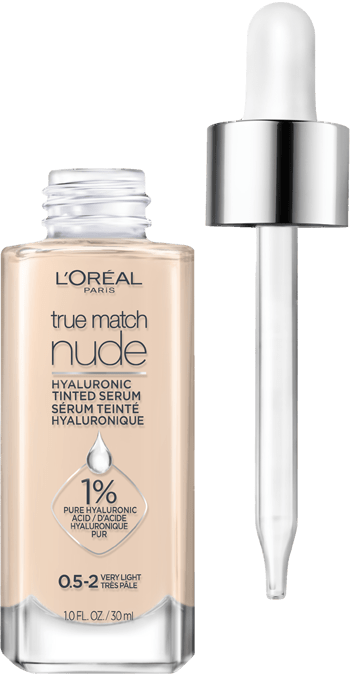
If you have dry skin, look for a foundation that offers a hydrating formula and a dewy finish. It’s usually best to avoid matte foundations, as these can exacerbate dryness. Instead, opt for hydrating formulas, such as liquid foundations, and foundations with added moisturizers like hyaluronic acid or glycerin such as our True Match Hyaluronic Tinted Serum. These ingredients help to attract and retain moisture, leaving your skin looking plump and hydrated. Learn more about foundation for dry skin.
What Type of Foundation Is Best for Oily Skin?
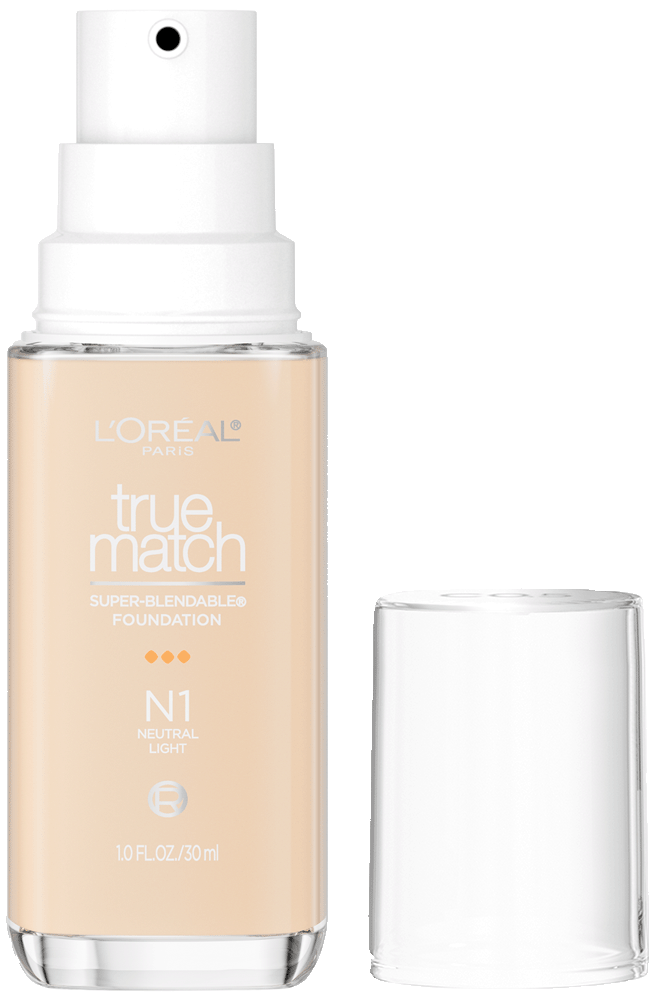
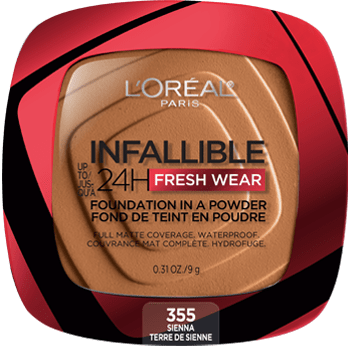
For oily skin, choose a foundation that helps to control shine, minimizes the appearance of pores, and is formulated to be a long-lasting foundation. Matte foundations such as Infallible Pro-Matte Foundation are an excellent choice, as they absorb excess oil and create a smooth, shine-free finish. Also look for oil-free formulas like True Match Super Blendable Foundation. Powder foundations can also be a great option, providing buildable coverage and oil control. For more guidance, check out our article on how to apply makeup to oily skin.
What Is the Best Makeup Foundation for Aging Skin?
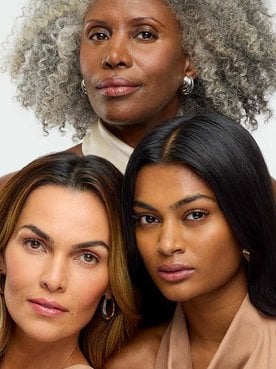
Mature skin often benefits from foundations that provide hydration, minimize the appearance of wrinkles, and create a youthful glow. Look for formulas that are lightweight and won't settle into fine lines, creating a non-cakey finish. L'Oréal Paris offers excellent foundation options specifically designed for mature skin, such as Age Perfect Radiant Serum Foundation with SPF 50, which provides a radiant finish and hydration, and Visible Lift Serum Absolute Advanced Age-Reversing Makeup, which directly addresses 5 signs of aging. Both foundations are formulated to minimize the appearance of wrinkles and create a more youthful complexion. Learn more about the best foundation for aging skin.
Where Can You Buy L’Oréal Paris Foundation?
You can purchase L’Oréal Paris foundation and makeup products in-person at your local drugstore or online through retailers like Target, Amazon, and Ulta Beauty. Click the “Buy Online” button on the individual product pages to see where to purchase your foundation online, or use our Store Locator to find an in-store option near you.
-
Embrace Your Silvers: The Art of Gray Blending for Dark Hair
-
Foundation Shade Finder: Your Exact Match, Step by Step
-
About us
-
Privacy Policy
-
What Order Should You Apply Your Makeup Products In?
-
EVERPURE SULFATE FREE HAIR CARE
-
20 of the Best Low-Maintenance Haircuts for Women
-
Which L’Oréal Paris Superior Preference Hair Colors Are Right For You?