Bronzer vs. Contour: The Differences and How To Use Each
Bronzer and contour may look similar, but they serve very different purposes
March 26, 2026




If you’ve ever been confused about the difference between bronzer and contour, you’re far from alone. While these products may look similar at first glance, they serve distinct purposes and yield very different effects. Whether you’re creating a natural glowy look for daytime or are aiming for a more dramatic, sculpted finish, understanding the differences between bronzer and contour can help ensure your makeup looks its best. Ahead, we’ll break down everything you need to know about bronzer vs. contour, explain how to use each, and share application tips to help you achieve a flawless-looking finish.


Though they often look similar in the pan, the difference between bronzer and contour comes down to tone, placement, and intention. Bronzer is typically warm-toned and meant to add a sun-kissed warmth to the skin. Contour, on the other hand, uses cool or neutral tones to create the illusion of shadows and define features.

The main purpose of bronzer is to help make the skin appear naturally sun-kissed. It can help warm up a complexion that looks flat, add subtle dimension, or enhance a natural tan. Some bronzers, such as the L’Oréal Paris Lumi Bronze Le Stick Soleil Bronzer, can also illuminate the skin to give your complexion a natural-looking beachy glow.
Contour makeup is used to help create definition and enhance your natural bone structure. It’s typically cooler in tone, which helps create the illusion of shadows and makes your features appear sharper. Unlike bronzers, which can be matte or glowy, contour makeup rarely boasts shimmer or shine—most have a matte or natural, skin-like finish.


Choosing whether to use bronzer, contour, or both ultimately depends on what sort of look you’re after. Bronzer is ideal for adding warmth to a flat or pale complexion, while contour can help define your features to create a more sculpted look. It’s also worth noting that you don’t have to choose between the two—using both often yields the most multidimensional results. Start by using contour to sculpt your bone structure, then add bronzer to bring back warmth. This combo is especially useful after foundation, which can sometimes even out the face too much.
Generally speaking, it’s best to apply contour before bronzer to help sculpt and define your features. Start with your go-to base makeup (whether that be foundation, a skin tint, or a tinted serum), then apply contour to areas you’d like to define, such as the hollows of your cheeks, along the sides of your nose, and around the perimeter of your forehead. Then, blend it out and apply bronzer to the high planes of your face, including the tops of your cheekbones, along the bridge of your nose, and at the center of your forehead by your hairline. This bronzer placement helps add natural-looking warmth back into your complexion for a balanced, harmonious feel. For the most seamless finish, be sure to blend any harsh lines well to create a smooth transition between your base makeup, contour, and bronzer.
It’s possible to use bronzer as contour, but it depends on the product and the look you're going for. Warm-toned bronzers can make the skin look muddy when applied where contour would normally be placed, so it isn’t ideal for defining your features. Cool-toned bronzers can be used in place of contour, but if a super sculpted, defined look is what you’re after, stick with a dedicated contour product.
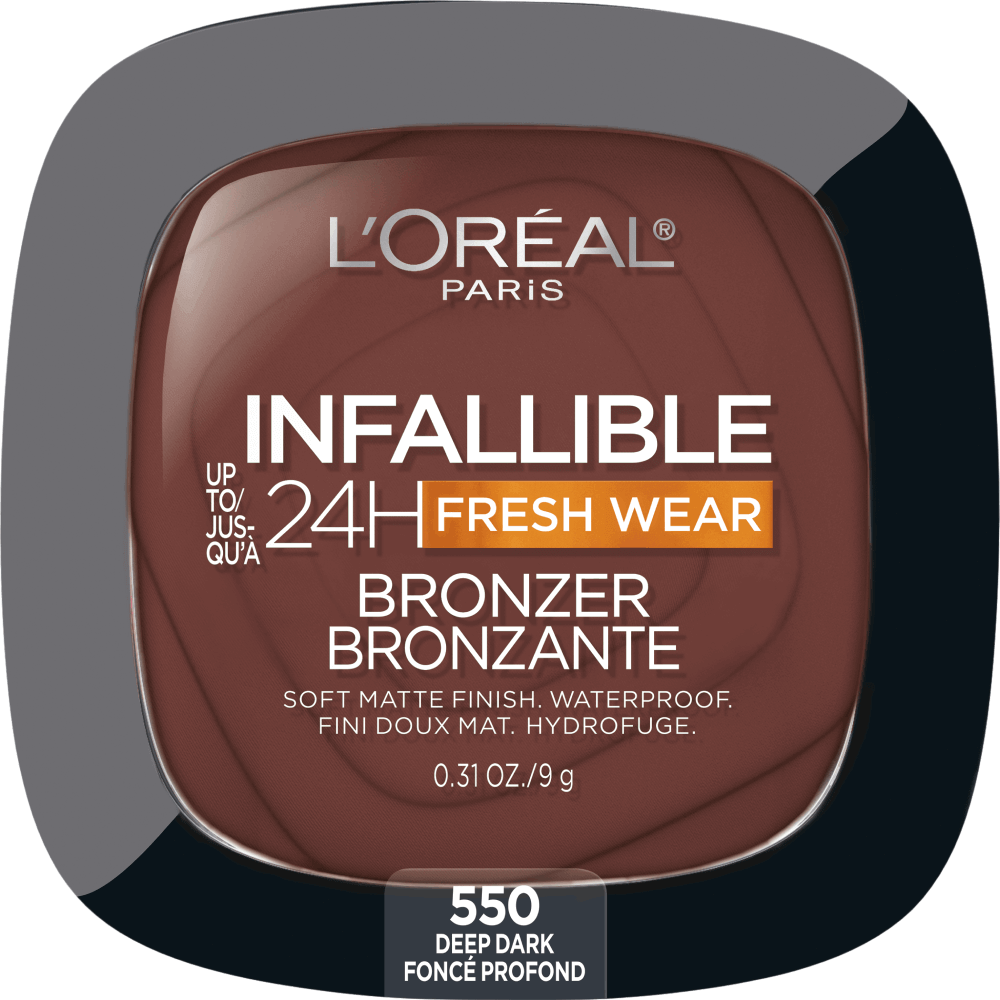
Bronzer can suit everyone; it’s simply a matter of choosing the right formula and shade. If you have oily or blemish-prone skin, it’s often best to stick with matte formulas or bronzer powders, such as the L'Oréal Paris Infallible Up To 24H Fresh Wear Soft Matte Bronzer (pictured below). It boasts a buildable formula with a soft matte, non-cakey finish (plus, it’s non-comedogenic, so you don’t have to worry about it clogging your pores). If you have dry or mature skin, consider a liquid or cream formula with a more radiant finish, such as the L’Oréal Paris Lumi Bronze Le Stick Soleil Bronzer or the L’Oréal Paris Lumi Glotion All-In-One Glow Enhancer & Tinted Moisturizer, which boasts shea butter and glycerin for an extra-hydrating feel.


Finding the right bronzer and contour shades is key to a natural-looking finish. To create seamless definition and warmth, your product shades should work with your skin tone and undertone, not just match your foundation. If your shades are off, the results won't be great, so it’s worth taking the time to get it right.
Since bronzers are meant to mimic a natural tan, they’re typically warm in tone. However, it’s important to select the right shade, as anything too warm could make you look orange rather than naturally sun-kissed. Opt for shades with a subtle warmth to keep things looking balanced, especially if you have cool skin. Here are some recommendations:


Contour makeup is designed to create the illusion of shadows, and cool-toned shades are best for that purpose. Here’s a quick guide to choosing the right contour shade for your skin:
Editor’s tip: If you don’t have a dedicated contour product on hand, consider using a cool-toned concealer in a shade slightly darker than your skin tone instead. The L’Oréal Paris True Match Radiant Serum Concealer works well for this purpose, and it comes in 24 skin-like shades to complement a range of skin tones and undertones.
Choosing between cream and powder formulas comes down to your skin type, desired finish, and how comfortable you are with blending. Both powders and creams can sculpt and warm the complexion beautifully—the key is selecting the texture that works best for your routine and skin type.
Cream bronzer and contour formulas are especially well-suited for normal to dry skin types. Their emollient texture melts into the complexion, creating a more natural, skin-like finish that looks seamless and hydrated. For a natural-looking, radiant bronze, we love the L’Oréal Paris Lumi Bronze Le Stick Soleil Bronzer. It comes in five flexible shades that glide on effortlessly, giving your skin a natural-looking warmth that stays put all day. You can swipe the bronzer directly onto your skin, then blend out the pigment with a dense brush, a makeup sponge, or even your fingers.

Powder bronzer and contour options tend to work best for oily or combination skin. They help absorb excess shine and typically offer longer-lasting wear, making them a reliable choice for all-day definition. Powders are also beginner-friendly, as they’re easy to build gradually and diffuse with a fluffy brush. If you need a recommendation, we love the L’Oréal Paris Infallible Up to 24H Fresh Wear Soft Matte Bronzer. The lightweight bronzer comes in eight shades that feel breathable on the skin and stay put for up to 24 hours—it’s even waterproof and sweat-proof.

Proper placement can completely change how bronzer and contour look on your face. Here’s where each should go for the most flattering effect.
If you’re wondering where to apply bronzer for the most flattering effect, focus on the high points of your face where the sun would naturally hit—along the tops of your cheekbones, across the bridge of your nose, at the temples, and around the perimeter of your forehead. You can also lightly sweep it along the jawline and chin to tie it all together. This placement creates a believable, sun-kissed glow while keeping your overall look feeling balanced and natural.
While bronzer is meant to add warmth, contour is designed to sculpt. To visually carve out your features, apply contour to the natural hollows and edges of your face—just beneath the cheekbones, along the sides of the nose, around the jawline, and at the perimeter of the forehead near the hairline. This placement creates subtle shadows that enhance your bone structure and add depth, resulting in a more defined, lifted appearance. Keeping contour in the recesses of the face—rather than on the high points—ensures your sculpt looks natural, seamless, and softly blended.
Even if you understand where they go, mastering how to use bronzer and contour like a pro can take some practice. Let’s break it into steps so you can feel confident doing either (or both).
Contour should generally be applied after foundation, but before bronzer (or other face makeup staples, like blush and highlighter). Here’s a step-by-step guide to help you master your application.
To start, sweep your contour product onto the hollows of your cheeks, just beneath your cheekbones. Follow the line of your cheekbone from your ear and work your way toward the center of your face. Take care not to extend the line all the way to your mouth, which can result in an unnatural look. Instead, stop just before the apple of your cheek to help sculpt your cheekbones without visually dragging your face down. Blend the edges well to eliminate any harsh lines.
Next, use a smaller brush to blend your contour along the bottom edge of your jawline. Use a sponge or fluffy brush to blend the contour down (toward your neck) to keep the shadow effect feeling natural.
Use a small brush to apply contour on both sides of the nose bridge. Blend carefully to avoid harsh lines. You can also contour underneath the tip for a more defined look.
Lastly, use a small brush to create a thin line beneath your bottom lip, then blend. This contour placement creates the illusion of a shadow beneath your lip, making your pout look plumper (even without the addition of lipstick or gloss).
After applying (and blending out) your contour, you can go in with your bronzer to add warmth to your complexion. Here’s how.
First, sweep bronzer just above your contour, along the apex of your cheekbones. This bronzer placement keeps your face looking lifted and sun-kissed while preserving the definition provided by your contour. Blend upward and outward for a soft finish.
Next, lightly dust your bronzer onto your temples and along your hairline at the center of your forehead to create balance and harmony. Use a light hand to avoid muddying your look.
For an extra sun-kissed feel, apply a small amount of bronzer to the bridge of your nose. This is one of the first areas that tends to tan when you spend time in the sun, so placing a bit of bronzer here can help amplify your beachy, bronzed look.
Lightly brush bronzer along the jawline and extend slightly down the neck. This helps avoid a mask-like foundation line. Blend thoroughly so the color melts into your skin. You can even add a touch of bronzer to your collarbones for continuity (this is especially flattering if you’re wearing a shirt that shows off your décolletage).
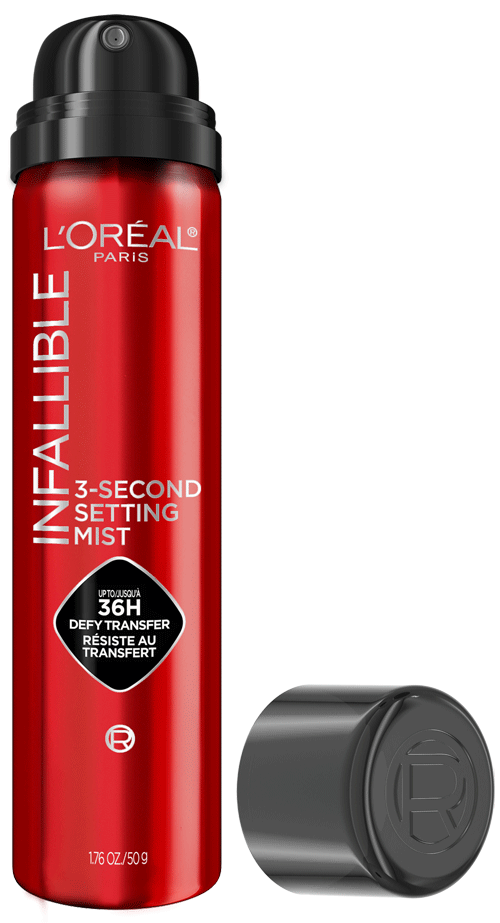
When you’re satisfied with your bronzer placement, you can go ahead and apply your blush and highlighter as usual. Then, set any oily areas with a light dusting of setting powder (we love the L’Oréal Paris Infallible Blur-Fection Longwear Loose Setting Powder) and lock in your look with a setting spray, such as the L’Oréal Paris Infallible 3-Second Setting Mist.
Next Up: How To Use Lumi Glotion for a Glowy Makeup Look
Photo courtesy of L’Oréal Paris

This site is intended for US consumers. Cookies and related technology are used for advertising. To learn more, or opt-out, visit AdChoices and our privacy policy.
Your Privacy Choices
 Notice at Collection